Gender Equality

Gender Equality

Parul University’s Commitment to Gender Equality

Ranked 601–800 Globally in SDG 5: Gender Equality by THE Impact Rankings 2025
Parul University is deeply committed to advancing gender equality, recognizing it as a fundamental human right essential for building a peaceful, prosperous, and just society. The University’s efforts toward gender equity have earned it a place in the 601–800 global band for SDG 5 – Gender Equality in the Times Higher Education (THE) Impact Rankings 2025, reaffirming its dedication to empowering women and promoting inclusivity across all spheres of academic and professional life.

Actively working to break barriers and challenge gender stereotypes, Parul University fosters an environment of equal participation, where women and men have the same opportunities to excel academically, professionally, and socially. To promote female education and empowerment, the University undertakes several impactful initiatives, including supporting girls’ schooling from early childhood through higher education under its Unnat Bharat Abhiyan activities. Additionally, the “First Girl Child Scholarship” offers financial assistance to the first girl child in a family pursuing an undergraduate program at Parul University, reducing economic barriers and encouraging female enrollment in higher education.

In leadership, Parul University champions women’s representation across various levels—from Vice-Presidents to EV driver—reflecting its commitment to gender-diverse governance and inclusive decision-making. By ensuring that women occupy influential leadership and operational roles, the University strengthens its institutional framework for equity, diversity, and empowerment.

Beyond academics and leadership, Parul University places strong emphasis on the health and well-being of its female community members. Through comprehensive counselling services, wellness programs, and awareness campaigns, the University promotes physical, mental, and emotional well-being, fostering a safe and supportive environment for all. Aligned with the broader objectives of Sustainable Development Goal 5 (SDG 5): Achieve Gender Equality and Empower All Women and Girls, Parul University continues to advocate for gender parity by creating an inclusive campus culture that values respect, opportunity, and empowerment for every individual.

Read More

Monitoring and Tracking Women's Application, Acceptance, and Enrollment Rates

Monitoring and Tracking Application, Acceptance, and Enrollment Rates

Parul University is deeply committed to fostering inclusivity, equity, and transparency across all stages of student admission and enrollment. To ensure data-driven decision-making and continuous improvement, the University has developed a robust, technology-enabled system for monitoring and tracking application, acceptance, and enrollment rates for all students—irrespective of gender, background, or discipline.

Integrated Monitoring through PUMIS

At the core of this initiative lies the Parul University Management Information System (PUMIS)—an advanced, centralized digital platform that manages and monitors every stage of the student lifecycle, from application and enrollment generation to degree award. PUMIS serves as the institutional backbone for data integration, analysis, and reporting, providing real-time visibility into enrollment patterns and institutional performance indicators.

PUMIS

Through PUMIS, the University systematically captures and analyses data across the following stages:

  • Application Tracking: All applications submitted through the University’s admission portal are automatically recorded in PUMIS, allowing continuous monitoring of applicant demographics, program preferences, and trends across academic disciplines.
  • Acceptance and Admission: The system records admission offers, acceptance rates, and yield ratios, enabling comprehensive analysis of student selection and diversity patterns.
  • Enrollment Monitoring: Once admitted, students’ enrollment data are seamlessly integrated within PUMIS, ensuring accurate tracking of enrollment confirmations, withdrawals, and retention indicators.
  • Progress and Degree Award: PUMIS further monitors students’ academic progression, performance, and graduation outcomes, thus providing end-to-end oversight of the entire academic journey.

This automated system ensures accuracy, transparency, and consistency in institutional reporting and supports evidence-based decision-making for admissions, resource allocation, and student success initiatives.

Dedicated Admissions Website for Streamlined Applications

Parul University maintains a separate, dedicated admissions website designed to facilitate a seamless and user-friendly application experience for prospective students.

Explore Admissions

This platform functions as the official gateway for:

  • Submitting online applications for all programs
  • Accessing program-specific eligibility and fee details
  • Tracking application status and updates
  • Receiving automated communication and admission notifications

Data from this website directly syncs with PUMIS, ensuring centralized data integrity, real-time updates, and analytical consistency across all departments and programs. The integration between the admission portal and PUMIS supports comprehensive monitoring of application-to-enrollment conversion rates, enabling the University to identify and address any disparities or drop-offs across programs or student groups.

Data Analysis, Institutional Reporting, and Policy Development

Parul University receives applications from across 28 states and 8 union territories of India, as well as from 75 countries worldwide each year. To date, the University has enrolled a total of 38,756 students, including 18,146 students starting a degree program and 16,859 first-generation learners.

Regular data collection and analysis through the Parul University Management Information System (PUMIS) inform institutional strategies aimed at enhancing student access, inclusivity, and retention.

The Internal Quality Assurance Cell (IQAC) monitors and periodically analyzes key indicators that provide insights into:

  • Application trends by program, region, and demographic background
  • Acceptance and yield patterns
  • Enrollment statistics and diversity representation
  • Program-level equity gaps and improvement areas

These reports guide University leadership in policy formulation, outreach planning, and targeted scholarship initiatives to strengthen participation and ensure equitable opportunities across disciplines, including underrepresented areas such as STEM, law, and management.

Continuous Monitoring and Improvement

To ensure sustainability and relevance, Parul University regularly reviews and refines its monitoring mechanisms. The University employs:

  • Periodic data audits to ensure system accuracy and compliance
  • Faculty- and department-level monitoring to address discipline-specific trends
  • Strategic interventions such as awareness campaigns, counseling, and bridge programs to improve access and participation for all groups.

By integrating PUMIS analytics with admission portal data, Parul University sustains a holistic, transparent, and accountable framework for monitoring access and participation at every stage—from the first application to degree completion.

Monitoring and Tracking Women’s Application, Acceptance, and Enrollment Rates

Tracking Access Measures

Parul University is firmly committed to fostering gender inclusivity and diversity across all academic levels. To uphold this commitment, the University has implemented a comprehensive, data-driven system for measuring and monitoring women’s application, acceptance, and enrollment rates across all academic programs through PUMIS. This initiative forms a key component of our mission to cultivate an inclusive learning environment—one where individuals of all genders have equitable access to opportunities for personal, academic, and professional growth.

Our approach includes:

  • Regular Data Collection and Analysis: Gender-disaggregated data are systematically collected at every stage of the admissions process through PUMIS to identify gaps in representation, particularly within underrepresented fields such as STEM. This analysis supports the development of interventions to promote gender balance.
  • Holistic Institutional Reporting: Detailed internal reports provide university leadership with insights into gender inclusivity across faculties and departments. These reports guide continuous improvement strategies aimed at achieving equitable participation and representation.
  • Strategic Policy Development: Data insights directly inform the formulation of admissions policies, outreach initiatives, and gender-specific scholarship programs designed to enhance women’s participation across disciplines.
  • Ongoing Monitoring and Adjustment: Parul University consistently reviews and refines its gender equity strategies to ensure their continued relevance, effectiveness, and responsiveness to emerging challenges.

Through these measures, Parul University reaffirms its commitment to promoting gender equity, creating a diverse, inclusive, and vibrant academic community that prepares students for leadership roles in a global and interconnected society.

Parul University (PU) adopts key initiatives to promote gender inclusivity through the following measures:

In alignment with its core values of equity and diversity, Parul University implements a range of targeted measures to ensure that women have equitable access to academic programs and are empowered to succeed at every stage of their educational journey. These initiatives are informed by comprehensive data analysis, periodic evaluations, and well-structured support systems that collectively remove barriers to women’s participation and enhance inclusivity.

Key Measures to Achieve Gender Inclusivity
  1. Periodic Evaluation and Gap Analysis: Regular evaluations of gender-based data on applications, admissions, and enrollments help identify disparities and inform timely interventions. These evaluations sustain gender balance and inclusivity across all academic programs.
  2. Campus-Wide Needs Assessments and Vulnerability Mapping: Annual Academic and Administrative Audits (AAA) identify vulnerabilities that may hinder student progress, considering personal, social, and academic challenges. Findings inform support mechanisms enabling all students—especially women—to thrive.
  3. Faculty, Institute and Department-Level Monitoring: Each academic unit actively monitors gender trends in admissions and retention outcomes. Localized monitoring provides targeted strategies to strengthen women’s participation and retention in traditionally male-dominated fields.
  4. Gender Representation in Classroom and Extracurricular Activities: Parul University ensures equitable gender representation not only in classrooms but also in extracurricular, leadership, and governance roles—nurturing confidence, leadership, and inclusion.
Promoting Women’s Rights and Addressing Gender Issues

To advance gender equality, Parul University has established a Women Development Cell (WDC), dedicated to promoting women’s rights and addressing critical gender-related issues in contemporary society.

  • Promoting Gender Equality and Ethical Considerations: Fosters awareness of gender and sexuality issues while advocating fairness and equality in all aspects of life.
  • Research and Advocacy: Undertakes studies on women’s issues across education, healthcare, law, and governance to inform advocacy efforts and policy recommendations.
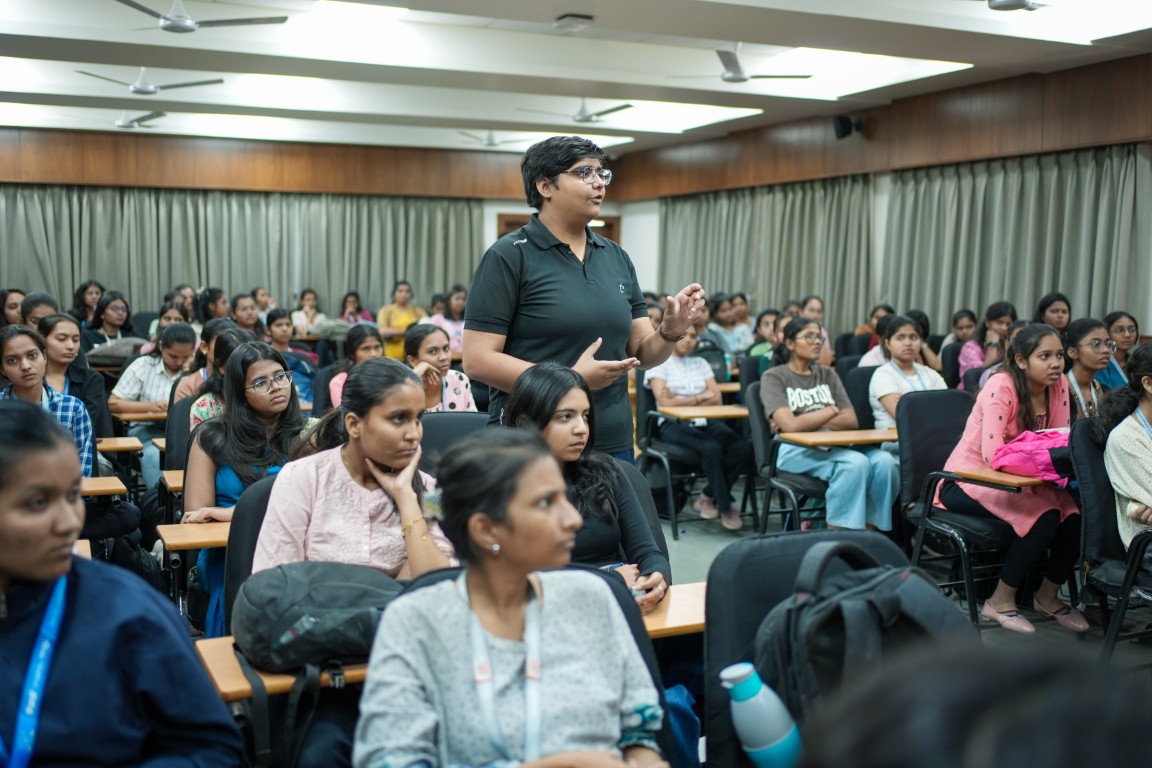
  • Awareness and Education: Conducts workshops and seminars to sensitize students, faculty, policymakers, and the community about gender dynamics and evolving societal expectations.
  • Building a Gender-Sensitive Institution: Collaborates across departments and external organizations to promote gender sensitivity within higher education.

Through these comprehensive strategies and sustained initiatives, Parul University demonstrates a profound commitment to gender inclusivity and equal opportunity. By empowering women through access, participation, and leadership development, the University not only enriches the educational experience but also cultivates future leaders who champion equality, compassion, and social responsibility in every sphere of life.

The following are the supporting evidences:

PUMIS: Automated Monitoring and Tracking System for Students and Staff
Automated Monitoring and Tracking System for Students and Staff
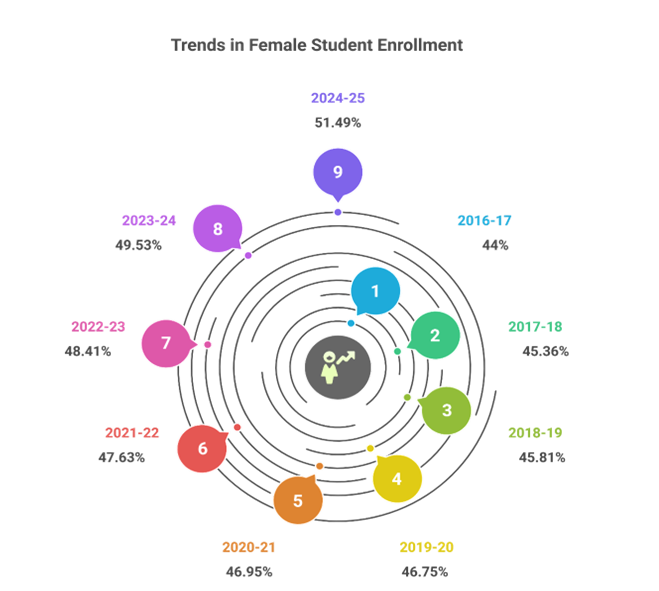
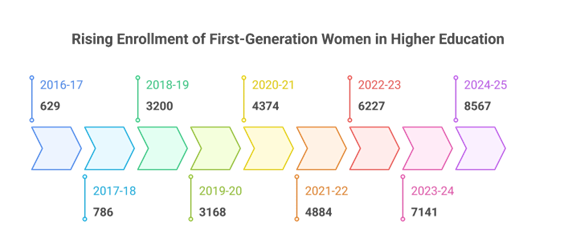
The outcomes of the initiatives implemented by Parul University to increase the percentage of women applicants and enrollments are detailed below:
Trend Analysis of the Number of First-Generation Women Starting a Degree:
Policy for Women Applications and Entry

Policy for Automated Monitoring and Tracking of Women’s Application, Acceptance, and Enrollment Rates

Purpose

Parul University reaffirms its institutional commitment to gender equity, inclusivity, and diversity across all levels of academic engagement. This policy establishes a structured, technology-enabled framework for the automated monitoring and tracking of women’s application, acceptance, and enrollment rates through PUMIS (Parul University Management Information System).

Scope

This policy applies to:

  • All academic programs (Diploma, Undergraduate, Postgraduate, and Doctoral) offered by Parul University.
  • All faculties, institutes, and departments engaged in admissions, enrollment, and academic management.
  • Administrative units responsible for institutional data governance and gender inclusivity initiatives.
Objectives

The objectives of this policy are to:

  • Establish an automated, data-driven system for continuous monitoring of women’s participation across academic programs.
  • Ensure evidence-based decision-making for achieving equitable gender representation.
  • Identify barriers and implement interventions to promote women’s access, acceptance, and enrollment—particularly in underrepresented disciplines such as STEM.
  • Facilitate institutional reporting aligned with national and global ranking systems (e.g., THE Impact Rankings and QS Sustainability Rankings).
  • Strengthen Parul University’s accountability and transparency through data-driven gender equity monitoring.
Policy Framework
Automated System for Monitoring and Tracking through PUMIS:
  • The Parul University Management Information System (PUMIS) serves as the central platform for collecting, analyzing, and reporting gender-disaggregated data across all stages of the admissions process—applications, acceptance, and enrollment.
  • PUMIS automatically compiles analytics and dashboards highlighting trends in women’s participation across faculties and disciplines.
  • Real-time data insights support strategic interventions, resource allocation, and policy enhancements aimed at improving gender balance.
Regular Data Collection and Analysis
  • Gender-based data are systematically collected, verified, and analyzed each semester through PUMIS.
  • The Institutional Research Cell conducts periodic analyses to identify gender disparities, particularly in STEM and leadership programs.
  • Findings are shared with the University Leadership Council, WDC, and academic deans to guide corrective measures and program-level interventions.
Periodic Evaluation and Gap Analysis
  • A biannual evaluation is conducted to review trends in applications, admissions, and enrollment rates of women students.
  • The analysis identifies underrepresented areas and helps in formulating targeted outreach initiatives, mentoring programs, and scholarships.
  • The Gender Audit Report, generated through PUMIS, is submitted annually to the Registrar and shared with all academic units.
Campus-Wide Academic and Administrative Audits (AAA)
  • Annual Academic and Administrative Audits (AAA) are conducted to identify institutional vulnerabilities that may hinder gender equity.
  • The audits assess personal, social, and academic barriers affecting women’s participation and retention.
  • Findings are used to design remedial actions—such as enhanced mentorship, financial aid, flexible scheduling, and safety measures—to ensure inclusivity and equitable support.
Faculty, Institute, and Department-Level Monitoring
  • Each department is responsible for monitoring gender representation and retention at the program level using PUMIS data.
  • Departmental Gender Inclusivity Reports are submitted to the Institutional Research Cell for consolidation into the annual Gender Equity Report.
  • Faculties are encouraged to implement localized interventions such as career counseling for female students, mentorship programs, and research collaborations aimed at promoting women’s participation.
Promoting Gender Representation in Academic and Co-Curricular Domains
  • Parul University ensures equitable gender participation not only within academic settings but also in extracurricular, leadership, volunteer, and governance activities.
  • Gender representation will be reflected in student councils, academic committees, and leadership training programs.
  • These initiatives cultivate leadership, teamwork, and confidence among women students, reinforcing the University’s inclusive ethos.
Institutional Mechanisms Supporting Gender Equity

The WDC functions as the central institutional body for advancing gender equality and addressing women’s issues. Its core responsibilities include:

  • Monitoring gender-disaggregated data from PUMIS and advising on equity interventions.
  • Conducting awareness campaigns, seminars, and workshops on women’s rights and gender sensitivity.
  • Collaborating with national and international bodies to promote best practices in women’s empowerment and education.
  • Leading advocacy efforts and supporting faculty and student-led gender initiatives.
Accountability and Reporting
  • The Registrar’s Office oversees the implementation of this policy and ensures that all gender data are accurately captured through PUMIS.
  • The WDC is responsible for maintaining a central database and generating periodic reports on gender statistics.
  • The WDC shall prepare an Annual Gender Inclusivity and Progress Report, summarizing trends, interventions, and future goals.
  • Reports will be presented to the University Leadership Council and published as part of institutional transparency commitments.
Review and Continuous Improvement

This policy shall be reviewed every three years or earlier if required, to align with evolving best practices and institutional priorities. Review processes will include stakeholder consultations, benchmarking with peer institutions, and incorporation of insights from gender audit outcomes. Recommendations arising from data analysis or audits will inform revisions in admissions, outreach, and support programs.

Policy Impact

Through this automated monitoring and data-driven policy framework, Parul University reinforces its leadership as a gender-sensitive, inclusive, and equitable institution. The integration of PUMIS as a monitoring tool ensures transparency, accountability, and continuous progress toward gender parity across all academic domains. By aligning institutional practices with SDG 5 (Gender Equality), this policy supports Parul University’s strategic vision of nurturing empowered individuals who drive positive social transformation through knowledge, leadership, and equity.

Policy Implementation Details
  • Policy Created: July 15, 2020
  • Policy Revised: July 18, 2022

Women's access schemes

Women’s Access Schemes, Including Mentoring, Scholarships, or Other Provision

Parul University is dedicated to fostering an inclusive and empowering environment for women by providing a wide range of access schemes, scholarships, and mentoring programs. These initiatives are aimed at increasing women’s participation in higher education, ensuring financial support, and providing mentorship to help them excel in their academic and professional journeys.

1. Mentoring and Support Programs for Women

Parul University offers a variety of mentoring and support programs to enhance the academic and personal development of women students:

  • Academic Mentoring: Female students are paired with faculty mentors who provide guidance on academic goals, career planning, and skill development.
  • Leadership and Career Development Workshops: Special workshops are conducted for women students to develop leadership skills, professional etiquette, and career-readiness.
  • Women’s Leadership Initiative: This program encourages women to take on leadership roles in student organizations, clubs, and community service projects.
2. Women’s Scholarships and Financial Aid Programs

Recognizing the financial barriers that many women face in pursuing higher education, Parul University offers a range of scholarships to support deserving female students across different backgrounds and disciplines.

  • A. UNIVERSITY SCHOLARSHIP (OUTSTATE): This scholarship is designed to provide financial assistance to female students from outside the state who wish to pursue their education at Parul University. It covers a portion of tuition fees and helps reduce the burden of relocating and living expenses for out-of-state female students.
  • B. UNIVERSITY SCHOLARSHIP (MERIT / ACADEMIC PERFORMANCE / CGPA): This merit-based scholarship is awarded to women students who have demonstrated outstanding academic performance. It encourages academic excellence by providing scholarships based on high CGPA scores or top ranks in entrance exams. This helps recognize and support female students who excel academically.
  • C. UNIVERSITY SCHOLARSHIP (ALUMNI): The Alumni Scholarship is aimed at female students who are children or relatives of Parul University alumni. It strengthens the connection between alumni and the university, while also providing financial support for women to pursue their studies. This scholarship honors the legacy of alumni by facilitating educational opportunities for the next generation of women students.
  • D. UNIVERSITY SCHOLARSHIP (GENERAL): This general scholarship is available to women students based on a combination of factors, such as financial need and academic potential. It is open to a wide range of female applicants and serves as a foundational support mechanism to encourage women from all walks of life to access higher education.
  • E. UNIVERSITY SCHOLARSHIP (CULTURAL): Parul University recognizes the importance of cultural diversity and artistic talent among its students. The Cultural Scholarship is awarded to female students who demonstrate exceptional talent in the arts, music, dance, or other cultural activities. This scholarship supports women who contribute to the university’s cultural life while pursuing their academic goals.
  • F. UNIVERSITY SCHOLARSHIP (DEFENCE): This scholarship is designed for the daughters of defence personnel. It provides financial aid to women from families serving in the armed forces, recognizing their unique sacrifices and ensuring that they have access to quality education without financial constraints.
  • G. UNIVERSITY SCHOLARSHIP (HOSTEL): The Hostel Scholarship supports women who require on-campus accommodation, particularly those from distant locations or underprivileged backgrounds. It provides a waiver on hostel fees, making it easier for women students to live and study at Parul University without worrying about housing costs.
  • H. UNIVERSITY SCHOLARSHIP (SPORTS): For women excelling in sports, the Sports Scholarship provides financial support to those who have demonstrated outstanding achievements in athletics, whether at the national, state, or university level. This scholarship is designed to encourage women athletes to continue their education while pursuing their passion for sports.
  • I. UNIVERSITY SCHOLARSHIP (Ph.D.): Parul University is committed to advancing research and knowledge, especially among women scholars. The Ph.D. Scholarship is awarded to women pursuing doctoral studies across various disciplines. This scholarship helps support female researchers, providing them with the financial means to conduct high-quality research and contribute to their field of expertise.
  • J. UDAAN SCHOLARSHIP: Parul University launched the UDAAN Scholarship to support underprivileged students and ensure that financial limitations do not hinder their educational aspirations. The scheme aims to provide comprehensive financial assistance covering tuition fees, study materials, and other related expenses. Scholarships are awarded based on financial need, academic merit, and personal circumstances, and are categorized for fully orphaned, partially orphaned, and financially weak students, with each category receiving support tailored to its specific needs.
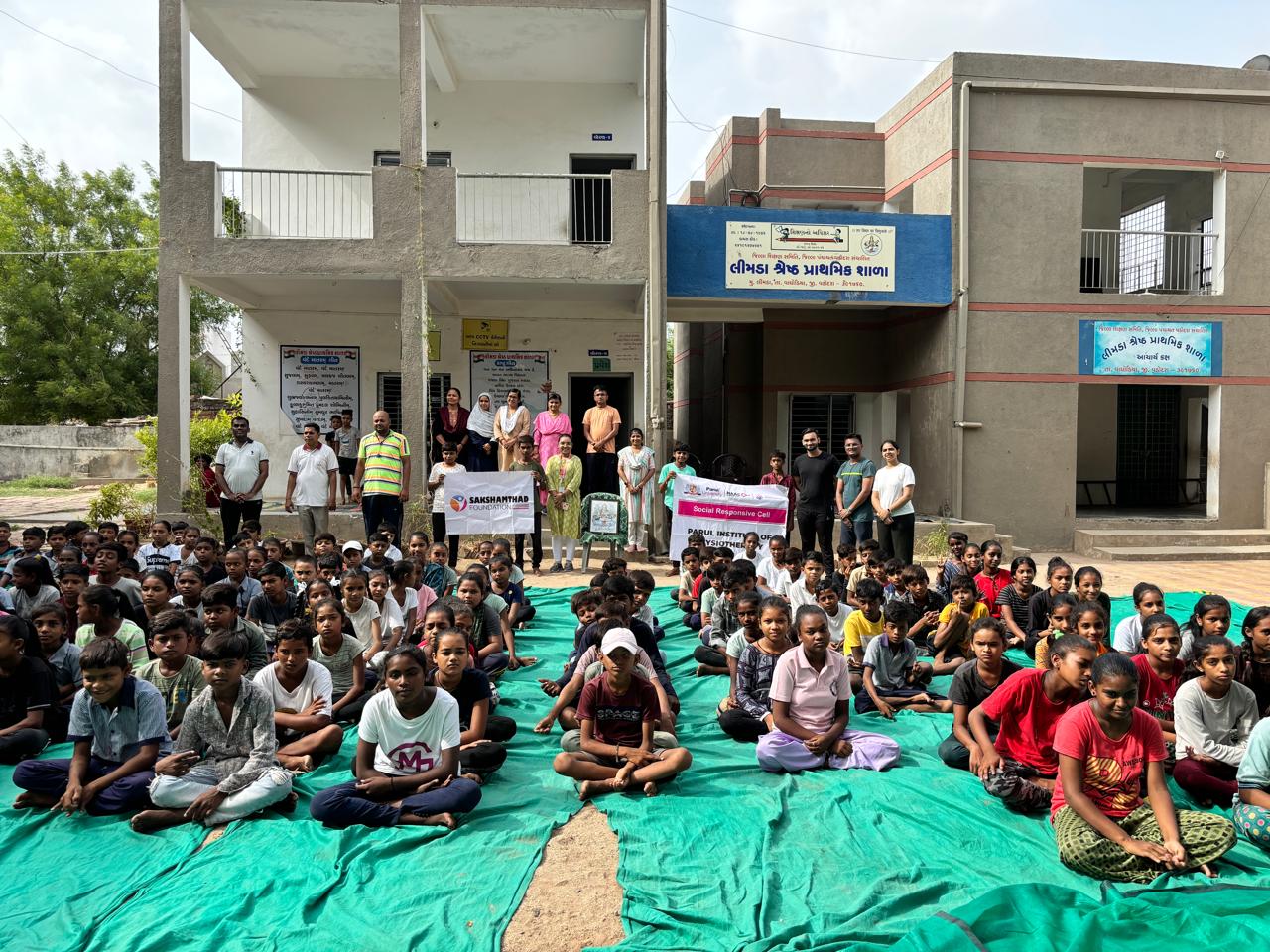
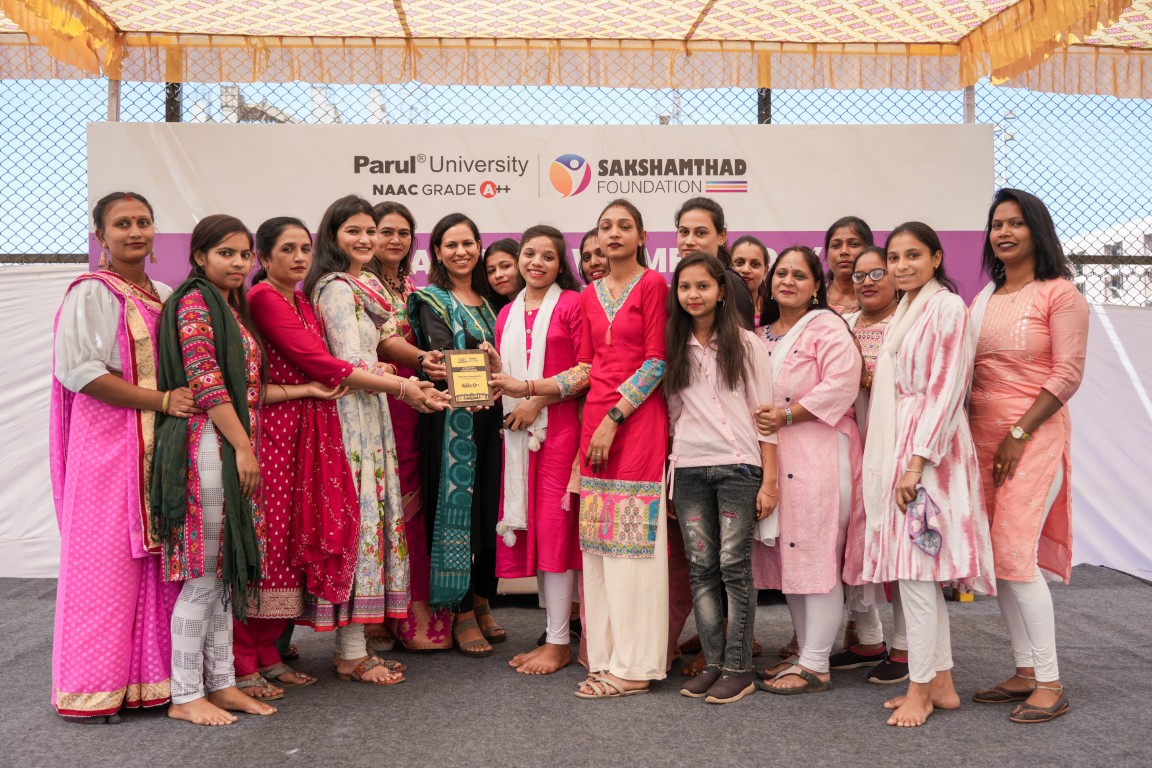
  • K. SUKANYA SAMRIDDHI YOJANA SCHEME: Parul University has initiated the Sukanya Samriddhi Scheme in 42 adopted villages in association with the Sakshamthad Foundation to foster the empowerment, education, and holistic development of young girls. Under this initiative, the University has facilitated the opening of more than 300 Sukanya Samriddhi Yojana accounts for young girls living in these villages, along with providing monetary support to ensure their financial inclusion and future security.
  • L. UDAYAN SHALINIS SCHEME: Parul University offers the Udayan Shalini Scheme in association with the Sakshamthad Foundation, which has collaborated with Udayan Care through a formal Memorandum of Understanding (MoU) to implement the Udayan Shalini Fellowship (USF) Scheme. This initiative reflects a shared commitment to fostering the empowerment, education, and holistic development of young girls from underprivileged backgrounds. Through this partnership, deserving girl students receive not only financial assistance but also structured mentoring, academic guidance, and life-skills training to help them realize their full potential. The program aims to nurture confident, capable, and compassionate leaders who will contribute meaningfully to society. We are delighted to share that several promising students have already benefited from the Udayan Shalini Scheme, each representing a story of hope, resilience, and transformation. Their success stands as a testament to our collective vision of creating equitable educational opportunities for all

View More Details For Scholarship

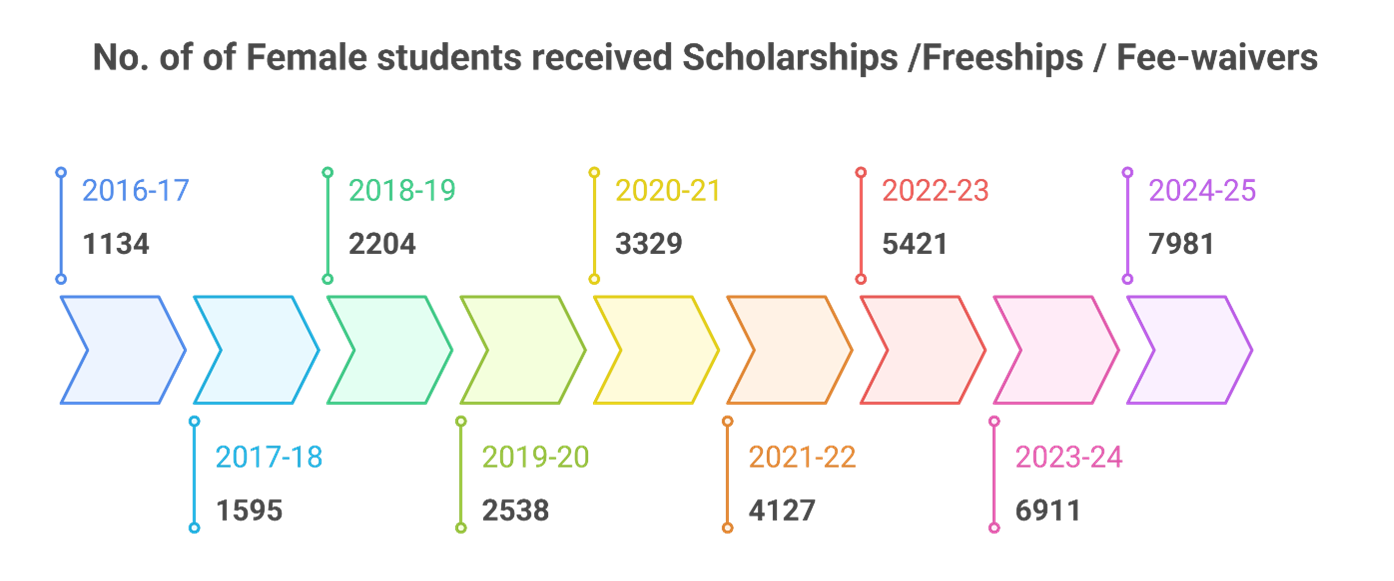
The following section presents quantitative evidence of the initiatives undertaken by Parul University to increase the number of female students receiving scholarships, freeships, fee waivers, and other support schemes.

female students receiving scholarships, free-ships, fee-waivers

Various Women’s Access Schemes Implemented by Parul University to Support Female Faculty in Advancing Higher Education and Professional Growth:
  1. Higher Education Sponsorship Program
    • This program offers financial assistance to female faculty members pursuing advanced degrees, including PhDs, postgraduate diplomas, and specialized certifications.
    • Sponsorship includes tuition support, book allowances, and partial salary coverage for faculty members studying part-time while working at the university.
  2. Educational Leave and Sabbatical Support
    • Parul University has introduced a structured educational leave policy that allows female faculty members to take time off for academic pursuits.
    • Sabbaticals are provided for degree or certification completion, with options for partially or fully paid leave to support faculty members’ uninterrupted focus on their studies.
  3. Faculty Research and Development Grants
    • Parul University provides targeted grants for female faculty to initiate research, collaborate on interdisciplinary projects, or pursue specialized training programs.
    • These research grants cover costs related to data collection, travel, publishing fees, and necessary resources to facilitate impactful academic contributions.
  4. Global Exchange and Fellowship Opportunities
    • Female faculty members have access to international fellowship programs through partnerships with global institutions.
    • These fellowships cover travel and living expenses, providing a unique opportunity for female faculty to engage with leading scholars, participate in research, and gain global perspectives in their fields.
  5. Conference and Seminar Funding
    • The university offers grants specifically for attending national and international conferences and seminars, enabling female faculty members to present their research, build networks, and stay updated on recent academic trends.
    • Funding for travel, accommodation, and registration is included, making these opportunities accessible for faculty members at all levels.
  6. Mentorship and Networking Initiatives
    • Parul University has developed a mentorship program connecting female faculty with senior scholars or industry experts who can offer guidance on research, teaching methodologies, and career progression.
    • Periodic networking events and workshops foster a collaborative academic environment, supporting female faculty in accessing valuable connections and opportunities.
  7. Professional Development Workshops
    • Regular workshops on leadership, pedagogy, and research methodologies are conducted to prepare female faculty for administrative roles, academic publications, and effective teaching.
    • Certificates earned from these workshops are recognized for career advancement, making them an integral part of professional growth at Parul University.
  8. Childcare Support and Work-Life Balance Initiatives
    • To support female faculty in balancing professional growth and family commitments, Parul University offers on-campus childcare facilities.
    • Additional support, such as flexible hours, remote work options, and wellness programs, ensures that female faculty can pursue higher education without compromising their well-being.
  9. Special Awards and Recognition for Academic Excellence
    • The university provides awards to honor female faculty for their achievements in research, teaching excellence, and contributions to the academic community.
    • Recipients receive financial incentives or additional research funding, celebrating and motivating female faculty in their efforts toward higher education and professional development.
  10. Professional Networking and Alumni Association
    • Parul University has established a professional network and alumni association specifically for female faculty to connect with past scholars, industry experts, and alumni who have successfully advanced in academia.
    • This network serves as a resource for mentorship, industry connections, and collaborative research projects, empowering faculty members with expanded career possibilities.

These initiatives position Parul University as a leader in advancing gender equity and academic excellence for female faculty members, contributing to a more inclusive and progressive academic community.

benefits from the various women’s access

Women Development Cell

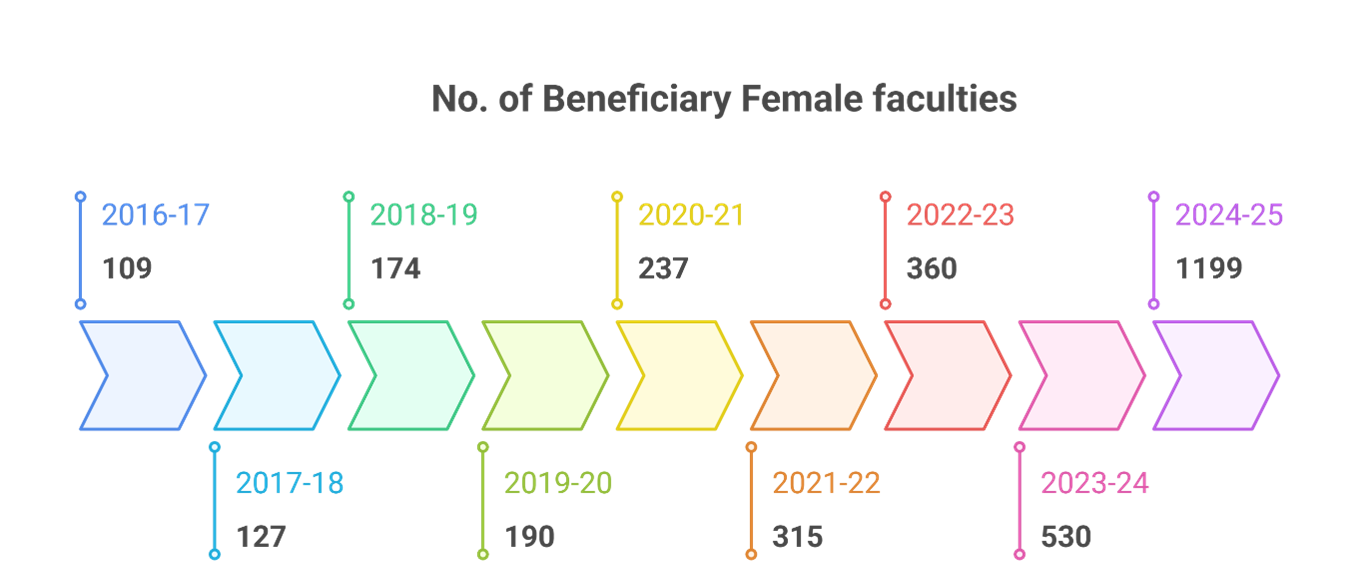
The following evidence represents the number of female faculty members who have benefited from various women’s access schemes.

benefits from the various women’s access

Women’s application in underrepresented subjects

Women’s Application in Underrepresented Subjects

Parul University offers various initiatives to encourage applications from women in underrepresented subjects:

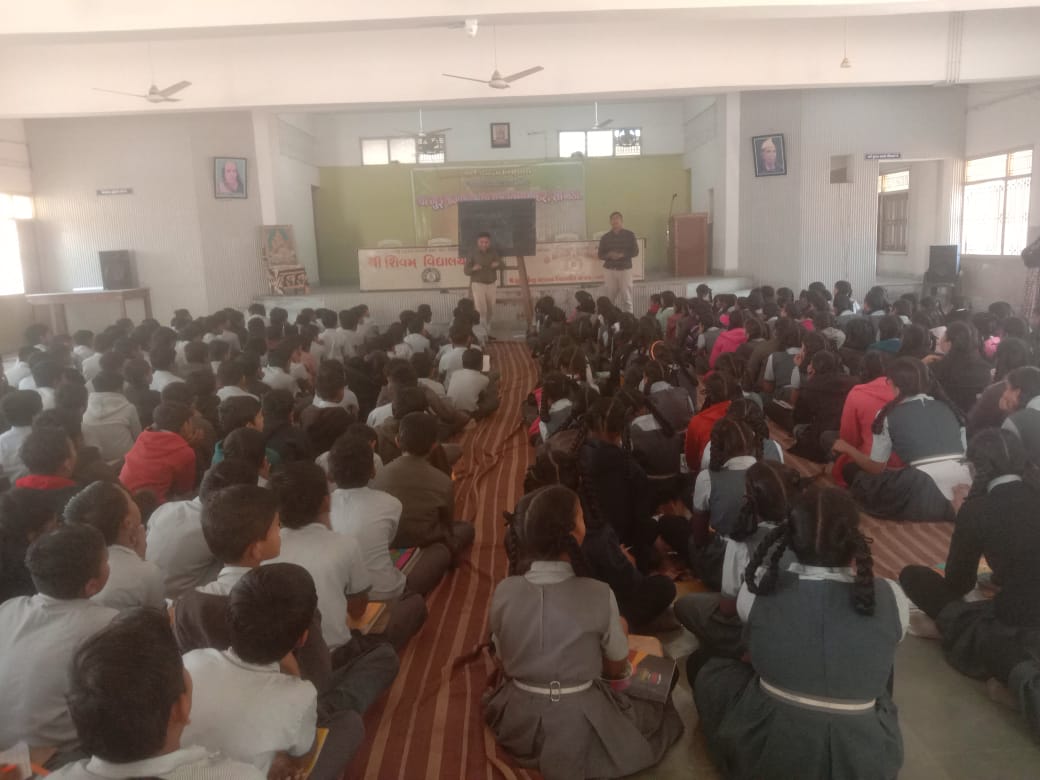
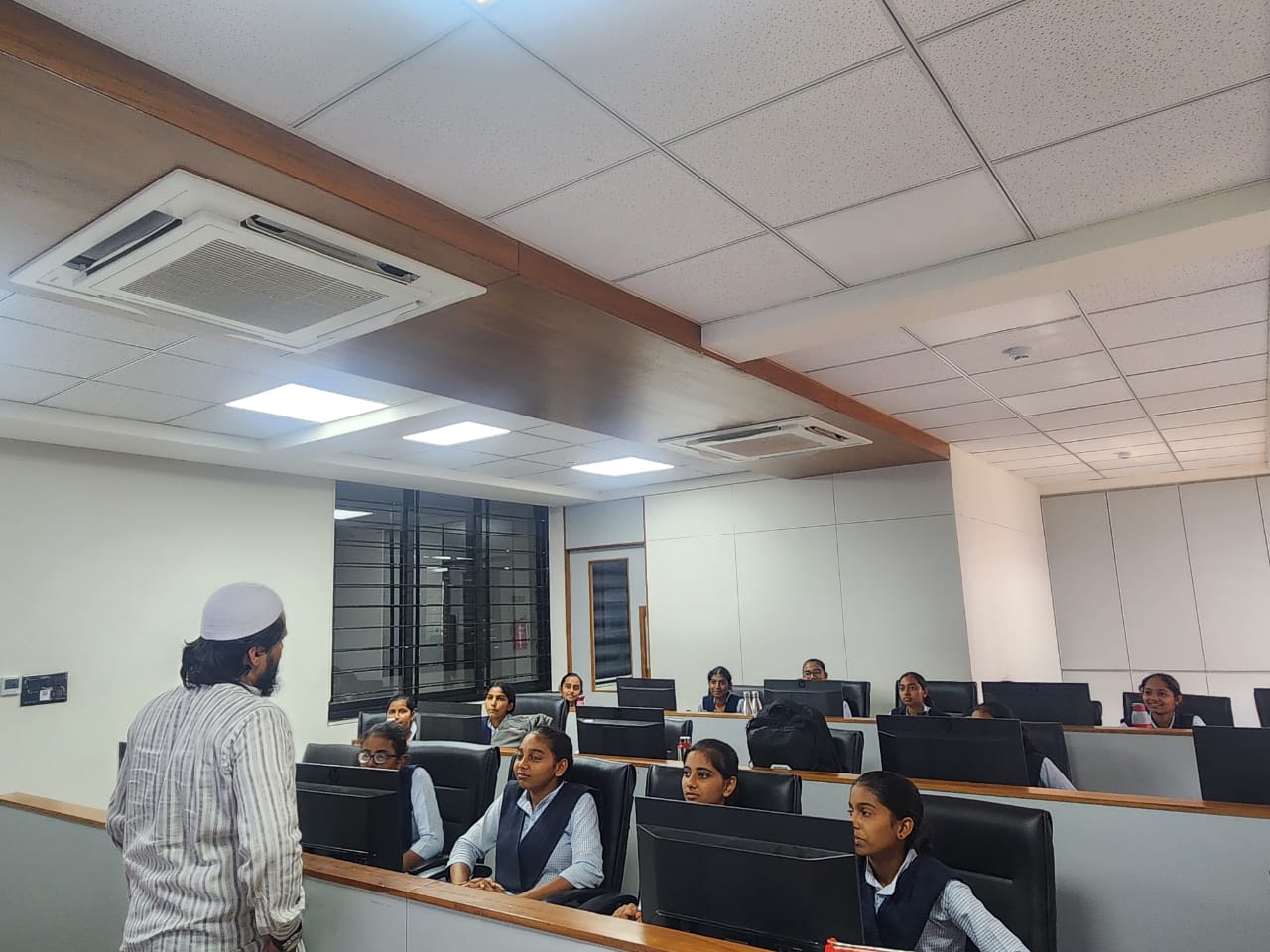
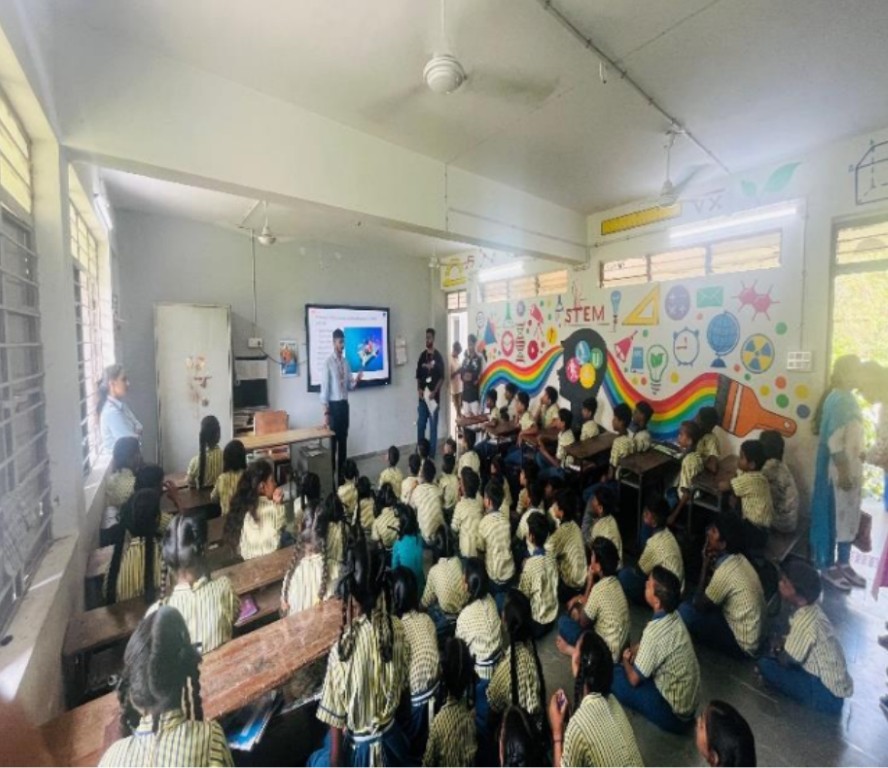
1. Targeted Outreach Programs in Schools and Colleges
  • Conduct information sessions and workshops in schools and colleges, focusing on underrepresented fields such as engineering, computer science, and physics.
  • Female alumni and faculty in these fields can lead sessions to inspire young women and share insights about career prospects, mentorship, and university support.
2. Scholarship Programs for Underrepresented Fields
  • Establish scholarships specifically for women enrolling in underrepresented subjects to reduce financial barriers.
  • These scholarships can be widely promoted through digital platforms, school partnerships, and career fairs, ensuring increased awareness among young women considering these fields.
3. Collaborations with NGOs and Government Programs
  • Partner with NGOs and government initiatives that advocate for women’s education to create programs promoting careers in underrepresented fields.
  • Joint initiatives could include mentoring programs, preparatory courses, or counseling services tailored to female students interested in STEM or similar areas.
4. Female Faculty and Student Ambassadors Program
  • Create an ambassador program with female faculty and senior students in underrepresented subjects to provide mentorship, answer questions, and offer support to incoming female students.
  • Ambassadors can also represent the university in school visits, career fairs, and community events to raise awareness and encourage applications.
5. Community-Based Awareness Campaigns
  • Conduct campaigns within the local community, using social media, posters, and community events to highlight successful women in underrepresented fields at Parul University.
  • The campaign could include stories of female faculty and students who have excelled in these fields, showcasing the impact and importance of pursuing such careers.
6. Skill-Building Workshops and Summer Camps
  • Offer free or subsidized workshops and summer camps for high school girls interested in fields like engineering, technology, and other underrepresented subjects.
  • These programs can introduce foundational skills, hands-on projects, and interactions with female role models, sparking interest and building confidence.
7. Partnerships with Industry for Internships and Career Pathways
  • Collaborate with companies that prioritize diversity to create internships and career development programs for women in underrepresented fields.
  • Such partnerships can provide female students with access to practical experience, mentorship, and career opportunities, encouraging more applications.
8. National and Regional Campaigns in Collaboration with Other Universities
  • Partner with other universities in national or regional campaigns promoting women’s participation in underrepresented subjects, pooling resources and expanding reach.
  • Campaigns could include virtual events, panel discussions with successful women in STEM, and regional scholarships.
9. Parental Engagement and Awareness Initiatives
  • Organize events and informational materials aimed at parents, highlighting the benefits and career prospects in underrepresented subjects for their daughters.
  • These initiatives could help address cultural barriers and build family support for young women pursuing unconventional academic paths.
10. Women in Underrepresented Fields Scholarship Fundraising Campaign
  • Launch a scholarship fundraising campaign to provide ongoing financial support to female students in underrepresented fields.
  • Through collaboration with alumni and corporate sponsors, Parul University could ensure sustainable funding for these scholarships, supporting long-term outreach and recruitment efforts.

Integrated Women’s Empowerment and Support Schemes

A. UDAAN Scholarship Scheme Parul University launched the UDAAN Scholarship to support underprivileged students and ensure that financial limitations do not hinder their educational aspirations. This scheme provides comprehensive financial assistance covering tuition fees, study materials, and related expenses. Scholarships are awarded based on financial need, academic merit, and personal circumstances, and are categorized for fully orphaned, partially orphaned, and financially weak students, each receiving support tailored to their needs.

B. Sukanya Samriddhi Yojana Scheme Sukanya Samriddhi Yojana Scheme Parul University has initiated the Sukanya Samriddhi Scheme in over 50 adopted villages in association with the Sakshamthad Foundation to foster the empowerment, education, and holistic development of young girls. Under this initiative, the University has facilitated the opening of more than 300 Sukanya Samriddhi Yojana accounts for young girls living in these villages, along with providing monetary support to ensure their financial inclusion and future security.

C. Udayan Shalini Fellowship (USF) Scheme Parul University offers the Udayan Shalini Scheme in association with the Sakshamthad Foundation, which has collaborated with Udayan Care through a formal Memorandum of Understanding (MoU) to implement the Udayan Shalini Fellowship (USF) Scheme. This initiative demonstrates a shared commitment to fostering the empowerment, education, and holistic development of young girls from underprivileged backgrounds. Through this partnership, deserving girl students receive financial assistance, structured mentoring, academic guidance, and life-skills training to help them realize their full potential. The program aims to nurture confident, capable, and compassionate women leaders who will contribute meaningfully to society. Several promising students have already benefited under this scheme, each representing a story of hope, resilience, and transformation.

These initiatives would not only encourage women to apply in underrepresented fields but also build a supportive environment to help them thrive academically and professionally.

The following are the supporting evidence along with notable outcomes:

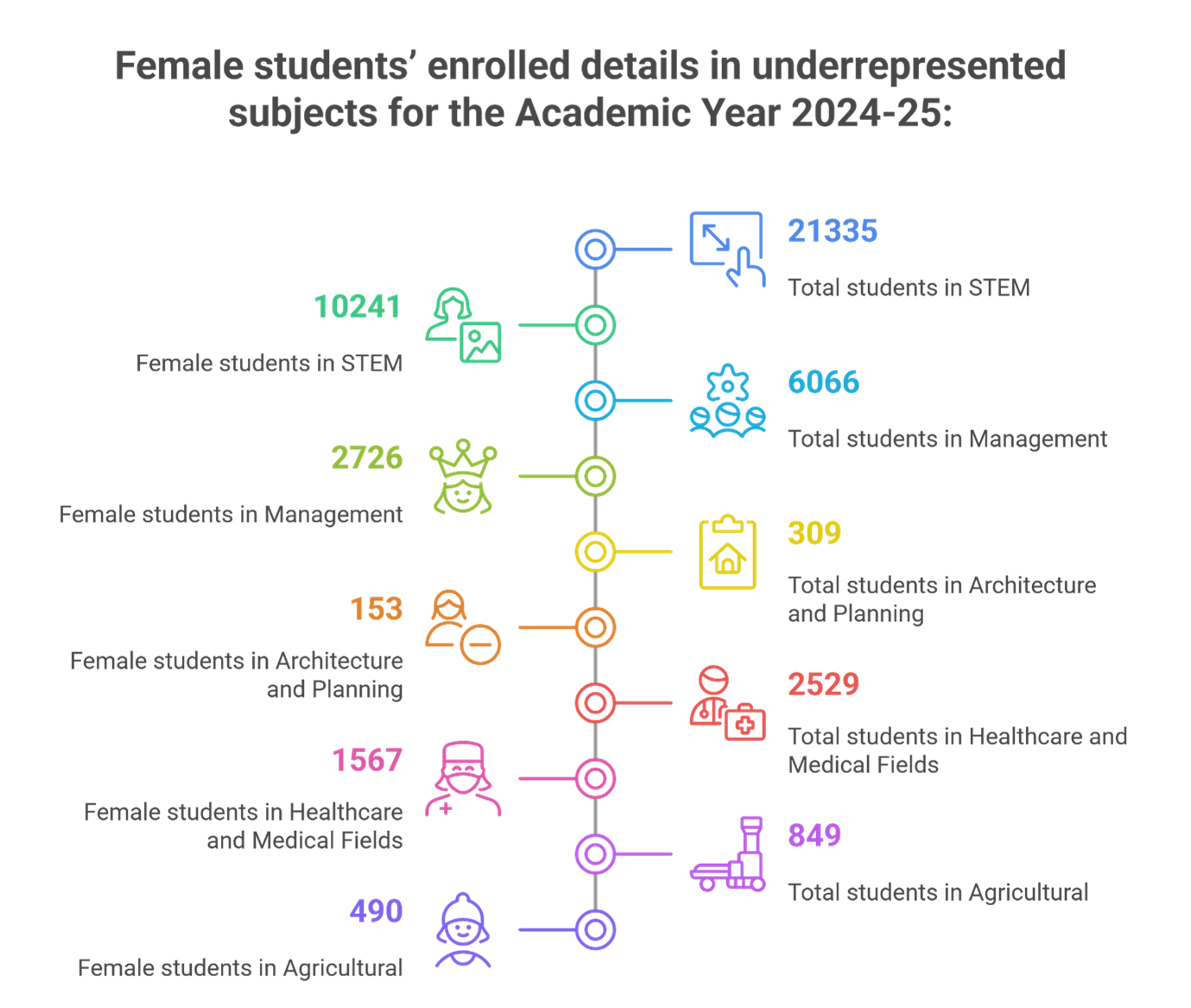
Female students’ enrolled details in underrepresented subjects for the Academic Year 2024–25:

Women's application in underrepresented subjects


Details of Various Initiatives:

Policy of non-discrimination against women

Policy of Non-Discrimination Against Women

Preamble

Parul University reaffirms its unwavering commitment to promoting gender equality and creating an inclusive academic environment where women enjoy equal rights, opportunities, and respect in all aspects of university life. The University recognizes that the empowerment of women is a cornerstone of social progress, institutional excellence, and sustainable development. This Policy of Non-Discrimination Against Women seeks to eliminate all forms of direct and indirect discrimination and ensure full participation, representation, and advancement of women across teaching, research, employment, governance, and community engagement.

Objectives
  • Ensure Equal Opportunities: Guarantee equal access for women to all academic, administrative, and professional opportunities, including admission, employment, promotion, research, and leadership.
  • Eliminate Discrimination and Harassment: Prevent, address, and eliminate all forms of gender-based discrimination, bias, harassment, or victimization within the university.
  • Promote Women’s Participation and Leadership: Encourage the active participation of women in governance, decision-making, academic research, and institutional leadership roles.
  • Ensure Safety, Dignity, and Respect: Foster a safe, respectful, and supportive campus environment free from gender-based violence, exploitation, or intimidation.
  • Support Women’s Advancement: Provide mentoring, counselling, and professional development opportunities to support women’s academic and career growth.
  • Uphold Fair Employment and Work-Life Balance: Ensure equitable recruitment, pay, maternity benefits, parental leave, and flexible working arrangements consistent with global and national standards.
Scope

This policy applies to all members of the Parul University community, including students (diploma, undergraduate, postgraduate, and doctoral), faculty members, administrative and support staff, contractual and visiting professionals, and external stakeholders participating in university activities.

Policy Provisions
1. Non-Discrimination Commitment
  • No woman shall be discriminated against on the basis of gender in any academic, employment, or administrative process.
  • All policies and procedures shall ensure gender-neutral language and equitable practices.
  • Admission, recruitment, and promotion decisions shall be merit-based and free from conscious or unconscious bias.
2. Recruitment, Employment, and Career Progression
  • Equal opportunity in hiring, compensation, and advancement shall be maintained for all women employees.
  • Representation of women shall be encouraged on recruitment panels and decision-making committees.
  • The University shall promote fair and transparent mechanisms for performance evaluation and promotion.
3. Learning, Teaching, and Research Environment
  • Academic and research opportunities shall be open equally to all genders.
  • Curriculum and pedagogy shall promote gender sensitivity and awareness.
  • Special research grants and mentorship programs shall be encouraged for women in underrepresented disciplines, especially STEM fields.
4. Safety, Security, and Well-being
  • The University shall ensure a zero-tolerance policy toward sexual harassment and gender-based violence.
  • The Internal Complaints Committee (ICC) shall operate as per the Sexual Harassment of Women at Workplace (Prevention, Prohibition and Redressal) Act, 2013.
  • Regular gender-sensitization workshops, self-defence programs, and safety audits shall be conducted.
5. Maternity, Parental, and Childcare Support
  • Women employees shall be entitled to maternity leave and related benefits as per legal provisions.
  • Parental leave and flexible working arrangements shall be made available to balance professional and family responsibilities.
  • The University shall provide access to on-campus childcare facilities or associated support systems where possible.
6. Mentorship and Professional Development
  • Dedicated Women’s Mentoring and Leadership Schemes shall be established to support women’s academic and professional advancement.
  • Periodic training and workshops shall focus on leadership skills, research capacity-building, and networking opportunities for women.
7. Grievance Redressal and Reporting Mechanism
  • Women shall have access to safe, confidential, and impartial grievance mechanisms.
  • Retaliation against any woman reporting discrimination or harassment is strictly prohibited.
  • The University shall ensure timely investigation and resolution of all complaints.
8. Monitoring, Evaluation, and Accountability
  • A Gender Equality and Non-Discrimination Committee (GENC) shall oversee the implementation of this policy.
  • Periodic audits and gender-disaggregated data analysis shall be conducted to evaluate progress.
  • Annual reports shall be published detailing initiatives, progress, and outcomes related to gender equality.
Monitoring and Review

The policy shall be reviewed every three years or earlier as needed to align with new legislation, UGC guidelines, or international best practices. Recommendations for revisions shall be made by the Gender Equality and Non-Discrimination Committee and approved by the University Administration.

Policy Implementation Details
  • Policy Created: July 15, 2020
  • Policy Reviewed: April 18, 2024
  • Policy Revised: May 31, 2024

Non-discrimination policy for transgender

Policy for Non-Discrimination Against Transgender Individuals

Purpose

Parul University is proud to affirm its commitment to an inclusive environment that honors the dignity and rights of all individuals, regardless of their gender identity or expression. This policy effectively prevents discrimination against transgender individuals and promotes equal opportunities throughout the university community.

Scope

This policy applies universally to all members of the Parul University community, including students, faculty, staff, and visitors, encompassing all university activities, programs, and services.

Definition of Terms
  • Transgender: Individuals whose gender identity differs from the sex they were assigned at birth.
  • Gender Identity: A person’s intrinsic sense of their gender, which may be male, female, a combination of both, neither, or another identity altogether.
  • Gender Expression: The outward presentation of gender, including behavior, clothing, hairstyles, and voice.
  • Discrimination: Any unjust or prejudicial treatment based on an individual’s gender identity or expression.
Policy Statement

Parul University prohibits any discrimination, harassment, or retaliation against individuals based on gender identity or expression. This prohibition extends to:

  • Admission and enrollment practices
  • Academic and professional evaluations
  • Employment practices
  • Access to university facilities and services
Rights and Responsibilities

Rights of Transgender Individuals:

  • The right to self-identify their gender and have that identity respected.
  • The right to access facilities that correspond with their gender identity.
  • The right to participate in university programs and activities without fear of discrimination or harassment.

Responsibilities of the University Community:

  • All university members are expected to treat transgender individuals with respect and dignity.
  • Faculty and staff are responsible for fostering an inclusive environment and addressing discriminatory behavior.
Access to Facilities

Parul University has successfully implemented accessible facilities for transgender individuals, including:

  • Gender-neutral restrooms in all campus buildings.
  • Policies enabling individuals to use restrooms corresponding to their gender identity.
Name and Gender Marker Changes

Transgender individuals can request changes to their name and/or gender marker in university records through a clear and accessible process. Parul University respects and uses the chosen names and pronouns of transgender individuals in all communications and official documents.

Training and Education

Mandatory training programs have been successfully implemented for faculty, staff, and students, focusing on issues related to gender identity, inclusion, and non-discrimination. Educational resources promoting awareness and understanding of transgender issues are available to the entire university community.

Reporting and Grievance Procedures

Parul University has established clear procedures for reporting incidents of discrimination or harassment against transgender individuals. Individuals who feel they have been subjected to discrimination are encouraged to report their concerns to designated university officials, assured of protection against retaliation. All reports are taken seriously, investigated promptly, and treated with confidentiality.

Support Services

Parul University provides accessible support services for transgender individuals, including counselling, mental health resources, and advocacy. Collaborations with local LGBTQ+ organizations enhance the support and resources available.

Policy Review and Accountability

The policy undergoes annual reviews to assess its effectiveness and make necessary updates. The university maintains transparency regarding its efforts and outcomes in promoting the rights of transgender individuals.

Communication of the Policy

The policy is widely disseminated across the university community through orientations, handbooks, and the university website. Clear information on accessing resources, reporting discrimination, and seeking support is provided.

Policy Implementation Details
  • Policy Created: July 15, 2015
  • Policy Reviewed: June 23, 2022
  • Policy Revised: July 18, 2022

Maternity and Paternity policy

Objective

Parul University is committed to creating a supportive work environment that values and respects the responsibilities of parenthood. This policy aims to provide equitable leave provisions for new mothers and fathers, supporting their health and well-being while ensuring a smooth transition back to work. The policy promotes gender equality and parental engagement, encouraging both parents to take active roles in early child care.

Scope

This policy applies to all full-time, part-time, and contractual employees, including teaching and non-teaching staff, at Parul University.

Maternity Leave Provisions
  • Eligibility: Female employees who have completed at least six months of continuous service are eligible for maternity leave.
  • Duration:
    • Female employees are entitled to 26 weeks of paid maternity leave, as per the Maternity Benefit Act of India. This includes leave taken before and after childbirth, with a maximum of 8 weeks prior to the expected date of delivery.
    • In the case of a miscarriage or medical termination of pregnancy, up to 6 weeks of paid leave will be granted.
  • Additional Benefits:
    • Female employees returning from maternity leave have the option for a flexible work arrangement for an additional six months to support the transition back to work.
    • On-campus child care services are available for staff members, along with lactation rooms and nursing facilities.
  • Job Protection: Job security is assured for employees during their maternity leave, and employees will be reinstated to their former positions or equivalent roles upon returning to work.
Paternity Leave Provisions
  • Eligibility: Male employees who have completed at least six months of continuous service are eligible for paternity leave.
  • Duration: Male employees are entitled to 15 days of paid paternity leave, which can be taken within six months following the birth or adoption of a child.
  • Additional Support:
    • Male employees have the option for flexible working hours within the first three months after their return to work to support family and parental responsibilities.
  • Job Security: The same job protection applies to paternity leave as for maternity leave, ensuring the employee’s role is secure during and after the leave period.
Adoption and Surrogacy Leave
  • For Female Employees: Employees adopting a child below the age of 12 months or welcoming a child through surrogacy are eligible for 12 weeks of maternity leave.
  • For Male Employees: Paternity leave provisions apply equally in cases of adoption or surrogacy.
Flexible Work Arrangements
  • Upon returning from maternity or paternity leave, employees may request flexible work options, including part-time work, work-from-home arrangements, or modified work hours, subject to department approval.
  • Flexibility requests are encouraged to support the transition back to work, improve employee well-being, and help balance family and professional responsibilities.
Parental Leave in Cases of Special Needs
  • Additional leave or flexible working arrangements may be granted to parents of children with special needs, including medical conditions or disabilities, to enable parents to provide necessary care.
Application Process
  • Employees are required to submit a written application to Human Resources at least eight weeks before the expected leave date for maternity leave and four weeks for paternity leave.
  • Documentation, including a doctor’s certificate or proof of expected delivery date, may be requested for approval of maternity leave.
Return-to-Work Support
  • Parul University provides return-to-work guidance and reintegration support for employees after maternity or paternity leave. This includes one-on-one meetings, reorientation sessions, and regular check-ins to ensure a smooth transition back to work.
  • Employees may request additional training or skill development if they feel they require support in readjusting to their roles.
Non-Discrimination and Equal Opportunity
  • All employees, regardless of gender, are encouraged to use the leave entitlements without fear of discrimination, bias, or negative impact on their career progression.
  • Supervisors and team members are expected to respect the privacy and needs of new parents, fostering a positive work environment free of discrimination.
Review and Update of Policy
  • This policy will be reviewed annually and may be updated based on changes in labor laws, institutional goals, and employee needs.
  • Suggestions and feedback from employees on how to improve parental support will be actively encouraged to create an optimal work-life balance for all staff.

This policy demonstrates Parul University’s dedication to supporting its employees in achieving a fulfilling work-life balance, recognizing the importance of both parents’ roles in early child-rearing, and fostering an inclusive, family-friendly workplace.

Policy Implementation Details
  • Policy Created: July 20, 2015
  • Policy Reviewed: June 23, 2022
  • Policy Revised: July 18, 2022

Daycare facilities for Students, Faculties and Staffs

Policy for Free-of-Cost Daycare Facilities

May 31, 2024

Purpose

This policy reaffirms Parul University’s commitment to supporting the holistic well-being of its community members by providing accessible, safe, and nurturing daycare facilities—completely free of cost. The daycare aims to empower students, faculty, and staff to balance their professional, academic, and personal responsibilities without financial or caregiving barriers.

Scope

This policy applies to all students, faculty, and staff of Parul University who are primary caregivers of children requiring daycare services.

Policy Statement

Parul University proudly offers free daycare facilities on campus to:

  • Ensure children receive quality care, safety, and early childhood development opportunities.
  • Enable parents to pursue academic and professional goals without compromising caregiving responsibilities.
  • Promote gender equality and inclusivity by addressing childcare barriers—particularly for women and single parents.
  • Foster a family-friendly campus environment that supports work–life and study–life balance.
Objectives

The daycare facility aims to:

  • Provide a safe, inclusive, and nurturing environment for children.
  • Maintain qualified caregivers and uphold high standards in early childhood education and care.
  • Offer flexible and cost-free childcare aligned with academic and work schedules.
Eligibility and Enrollment
  • Eligible Members: All full-time students, faculty, and staff of Parul University with children aged six months to five years are eligible for free daycare services.
  • Enrollment Process: Interested members must complete a simple application process with relevant documentation proving eligibility.
  • Cost: The daycare services are completely free of charge for all eligible members.
Facilities and Safety Standards

The daycare facility will:

  • Offer a child-friendly, secure, and stimulating environment with age-appropriate learning and play materials.
  • Follow stringent safety and hygiene protocols, including secure entry systems, child-proofed spaces, and fire safety measures.
  • Undergo regular inspections to ensure compliance with all health and safety standards.
Operational Guidelines
  • Hours of Operation: Monday to Saturday, from 8:00 AM to 8:00 PM, accommodating the diverse schedules of students, faculty, and staff.
  • Capacity and Ratio: Maintain optimal caregiver-to-child ratios to ensure personalized attention.
  • Supervision and Staffing: All staff will be qualified in early childhood education or care and trained in first aid, child safety, and developmental practices.
Health and Wellness Standards

The daycare will ensure:

  • Daily health checks for children and caregivers.
  • Compliance with immunization and health record requirements.
  • A well-defined emergency response plan and parental consent for urgent medical care.
Curriculum and Activities

The daycare will provide a developmentally appropriate curriculum that encourages holistic growth through:

  • Storytelling, creative arts, and early learning programs.
  • Outdoor play, music, and interactive activities.
  • Social, cultural, and emotional development through inclusive group engagements.
Confidentiality and Data Protection
  • All child and family data will be handled with strict confidentiality.
  • Records on health, emergency contacts, and development will be accessible only to authorized personnel and parents.
Parental Engagement and Feedback
  • Regular updates will be provided to parents about their child’s activities and progress.
  • Bi-annual meetings will allow parents to discuss programs, share feedback, and suggest improvements.
  • A feedback and suggestion mechanism will be in place for continuous enhancement.
Accessibility and Inclusivity
  • The daycare will ensure inclusive access for children with diverse developmental or physical needs.
  • Provide reasonable adjustments and special resources as required.
  • Maintain a culturally sensitive and welcoming environment for children from all backgrounds.
Communication of the Policy
  • The policy will be available on the university’s website and published in student, faculty, and staff handbooks.
  • Orientation sessions will include information about the daycare facility and its free services.
Policy Implementation Details
  • Policy Created: July 15, 2020
  • Policy Reviewed: April 18, 2024
  • Policy Revised: May 31, 2024

The following are the supporting evidences:

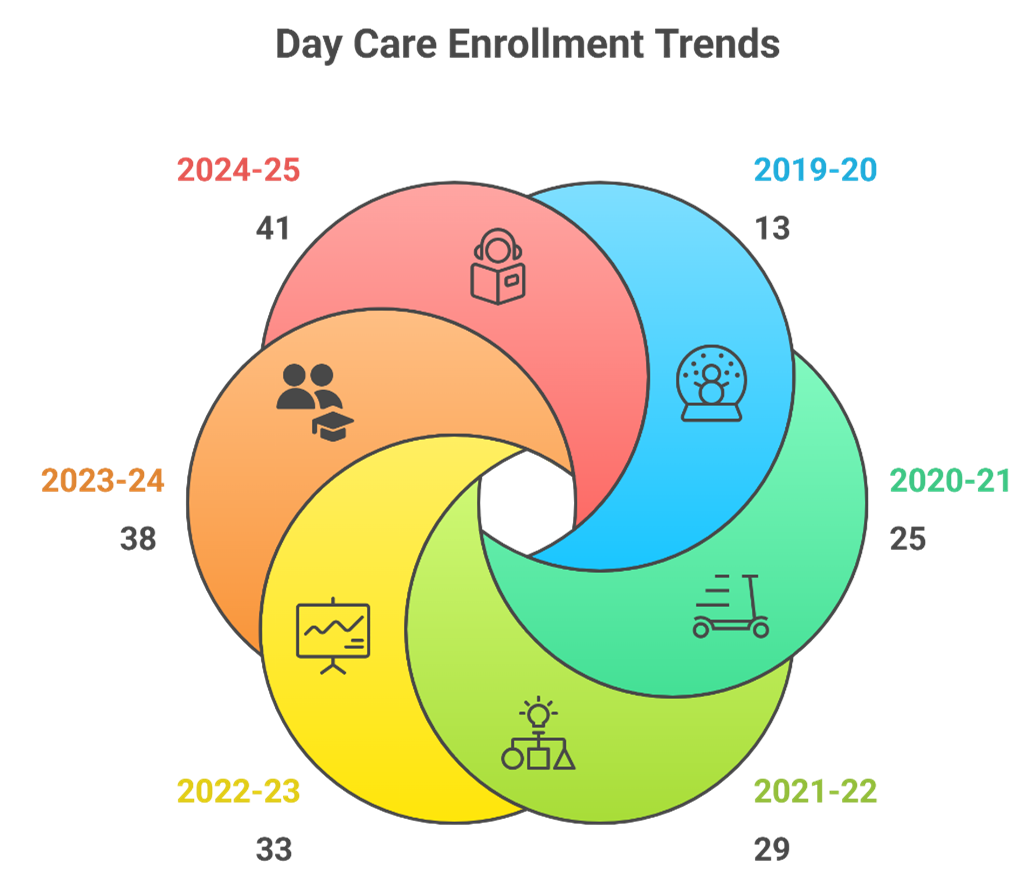
Details of student’s enrollment in Daycare Facilities:

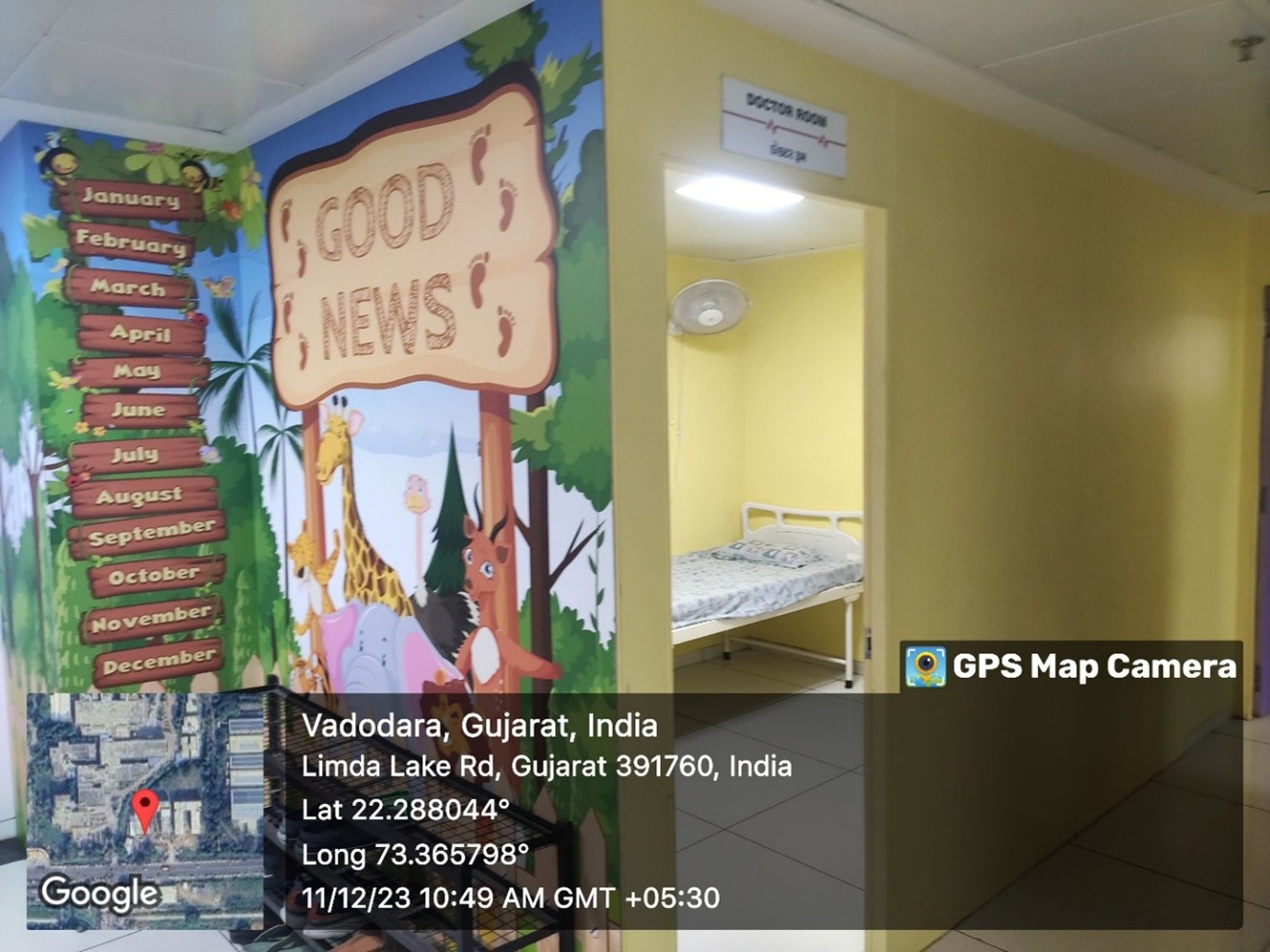
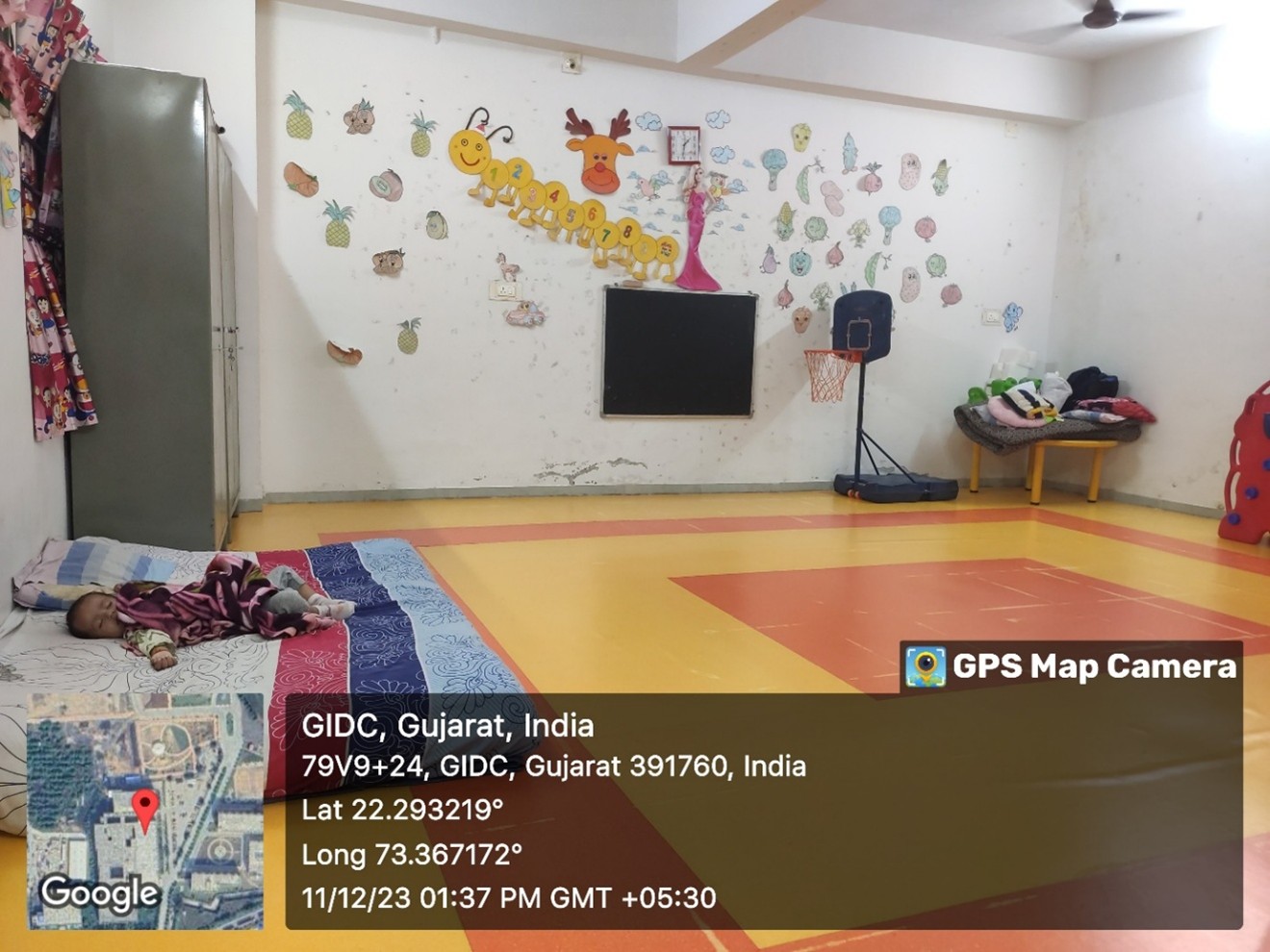
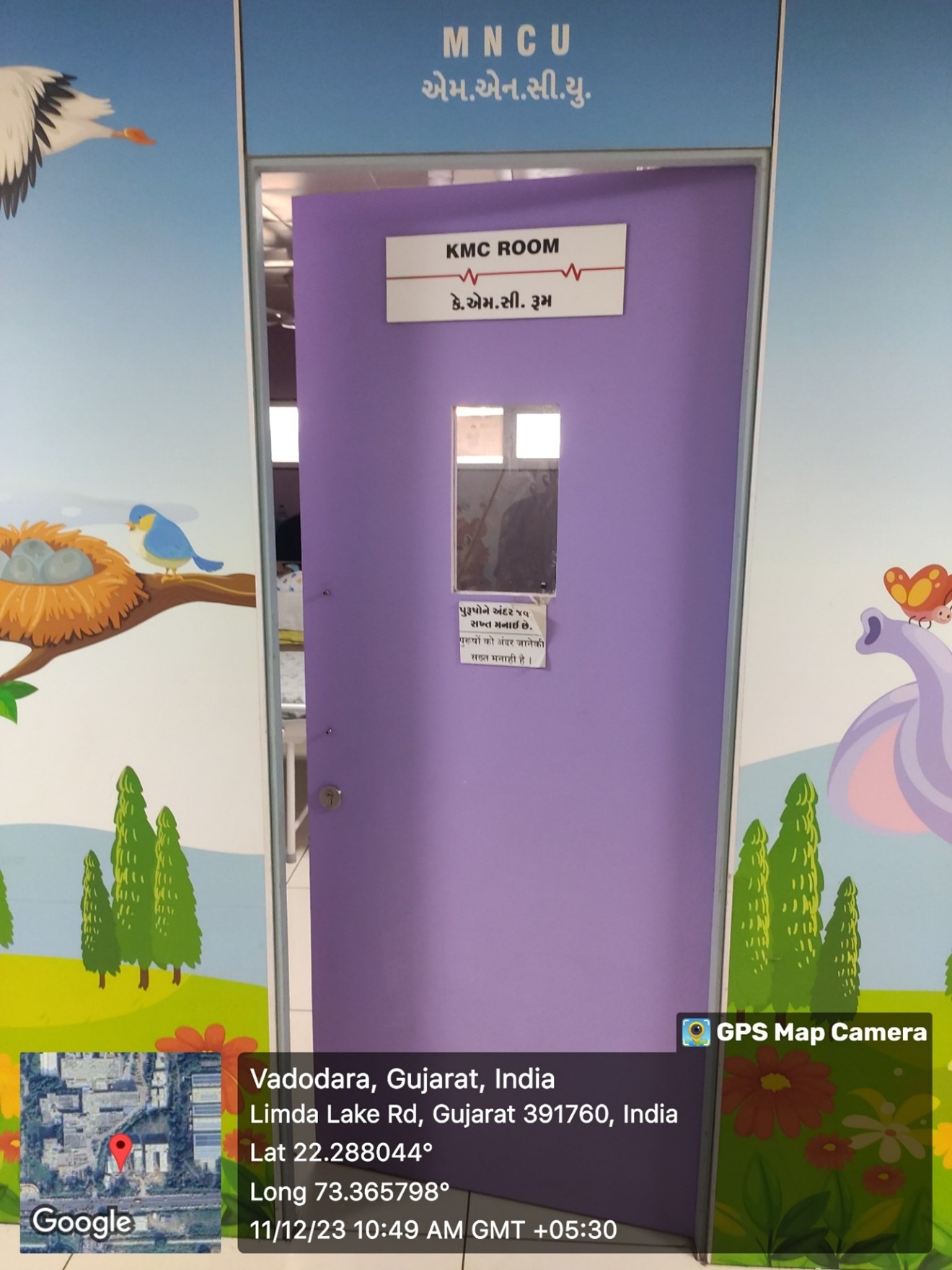
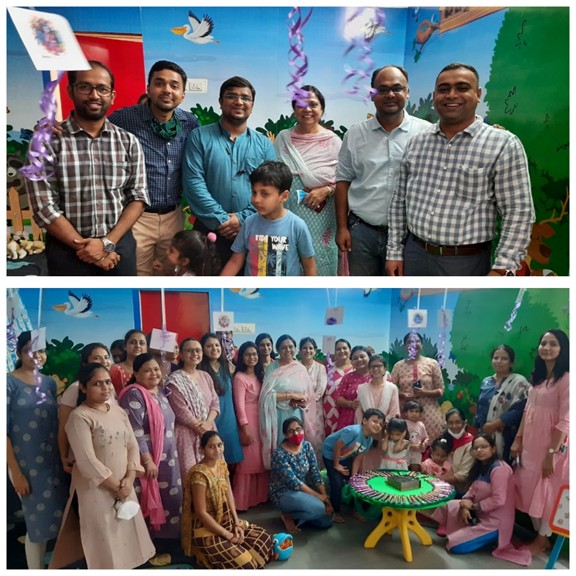
Glimpses:

Women’s mentoring schemes

Key Initiatives Implemented by Parul University to Foster Women’s Mentoring Schemes, Enhancing Professional and Academic Development for Women Students, Faculty, and Staff:

  1. Peer Mentorship Program
    • Overview: Matches female students or early-career professionals with peers who share similar interests or career goals.
    • Benefits: Encourages mutual support, shared experiences, and guidance through similar academic or career stages, fostering confidence and resilience.
  2. Faculty-to-Student Mentorship
    • Overview: Senior female faculty members mentor female students interested in specific academic fields or research.
    • Structure: One-on-one or small group mentorship sessions that focus on academic guidance, research methodologies, and overcoming academic challenges.
    • Benefits: Increases student interest in advanced studies and helps build lasting mentor relationships, offering career-long support.
  3. Alumni Mentorship Network
    • Overview: Connects women students and early-career faculty with successful female alumni in various industries.
    • Structure: Virtual and in-person sessions where alumni share insights on career paths, industry trends, and work-life balance.
    • Benefits: Provides role models, industry insights, and broader perspectives on career options for students and faculty.
  4. Professional Development Circles
    • Overview: Small mentoring groups led by senior female leaders or industry experts, focused on skill development, leadership, and career growth.
    • Topics: Leadership, negotiation, presentation skills, and personal branding.
    • Benefits: Equips women with essential career-advancement skills and promotes networking with peers sharing similar professional goals.
  5. Research Mentorship Initiative
    • Overview: Senior researchers mentor female students and early-career faculty on conducting research, publishing, and grant writing.
    • Structure: Long-term mentorship on research projects with opportunities for collaboration and co-authorship.
    • Benefits: Encourages women to pursue research careers and provides support in overcoming challenges in research fields.
  6. Leadership Shadowing Program
    • Overview: Allows women students, faculty, and staff to “shadow” senior leaders at the university, gaining firsthand experience of leadership roles.
    • Structure: Short-term shadowing where participants observe meetings, planning sessions, and decision-making.
    • Benefits: Provides insight into leadership pathways, increasing confidence and readiness to pursue leadership roles.
  7. Cross-Discipline Mentoring
    • Overview: Mentorship partnerships across different academic departments or fields, encouraging interdisciplinary learning.
    • Benefits: Enables mentees to explore diverse perspectives, expand professional networks, and gain insights from various fields.
  8. Networking Events and Mentorship Forums
    • Overview: Hosts regular networking events for women to connect with mentors, share ideas, and participate in panel discussions.
    • Structure: Quarterly or bi-annual events featuring guest speakers and mentorship “matchmaking” for attendees.
    • Benefits: Provides structured opportunities to meet mentors and fosters an inclusive support community within the university.
  9. Digital Mentorship Platform
    • Overview: An online system within the university portal that connects mentors and mentees, tracks mentorship goals, and facilitates communication.
    • Structure: Online platform where participants can schedule mentorship sessions, attend virtual workshops, and access guides.
    • Benefits: Ensures accessibility and continuous engagement across departments, allowing for hybrid mentorship models.
  10. Monthly Mentor-Mentee Check-ins
    • Overview: Regular one-on-one or small-group check-ins to review progress, set short-term goals, and address challenges.
    • Benefits: Reinforces accountability and ensures consistent mentor-mentee engagement for optimal outcomes.

The following are the supporting pieces of evidence along with notable outcomes:

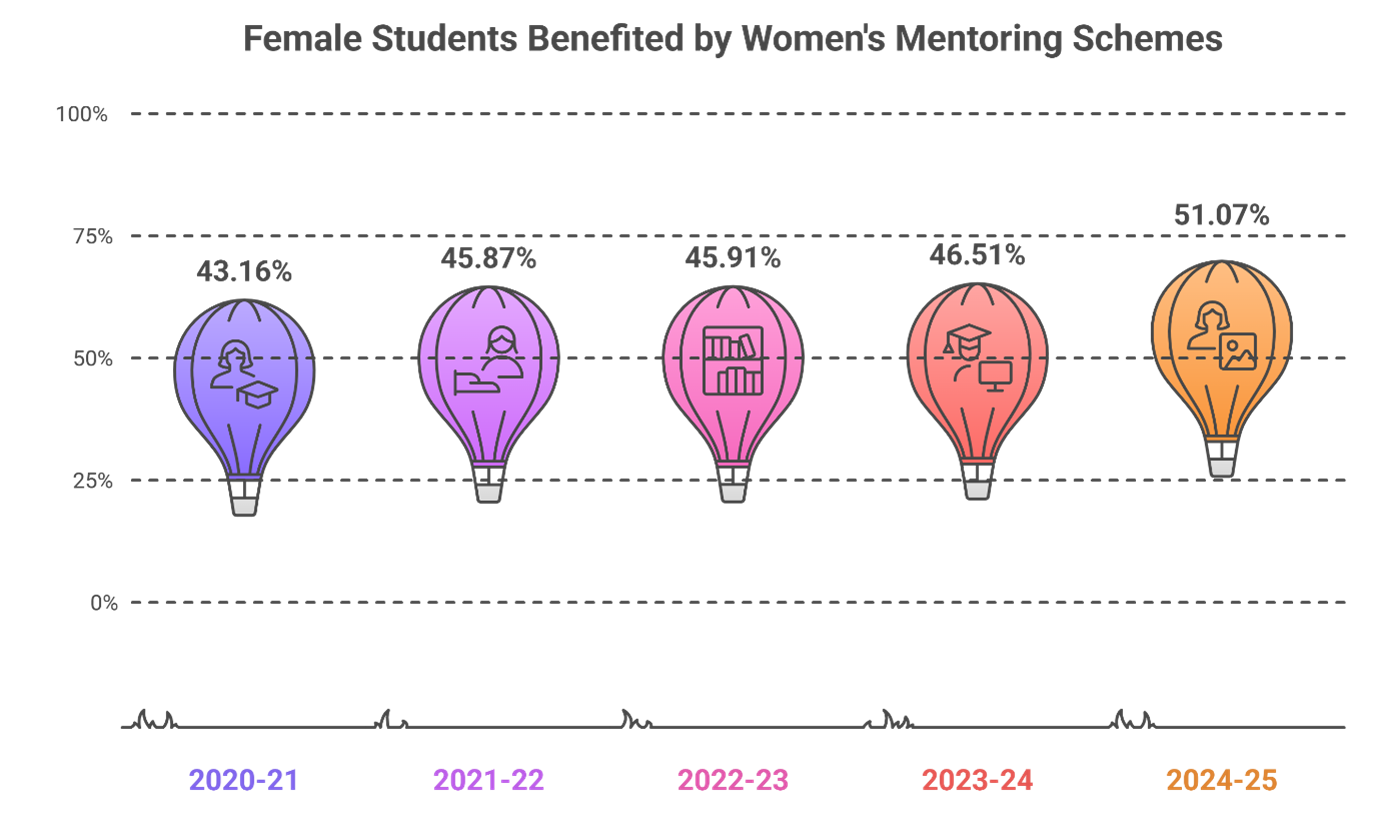
Trend analysis of the impact of women’s mentoring schemes on female students

Trend analysis of women's mentoring impact on students

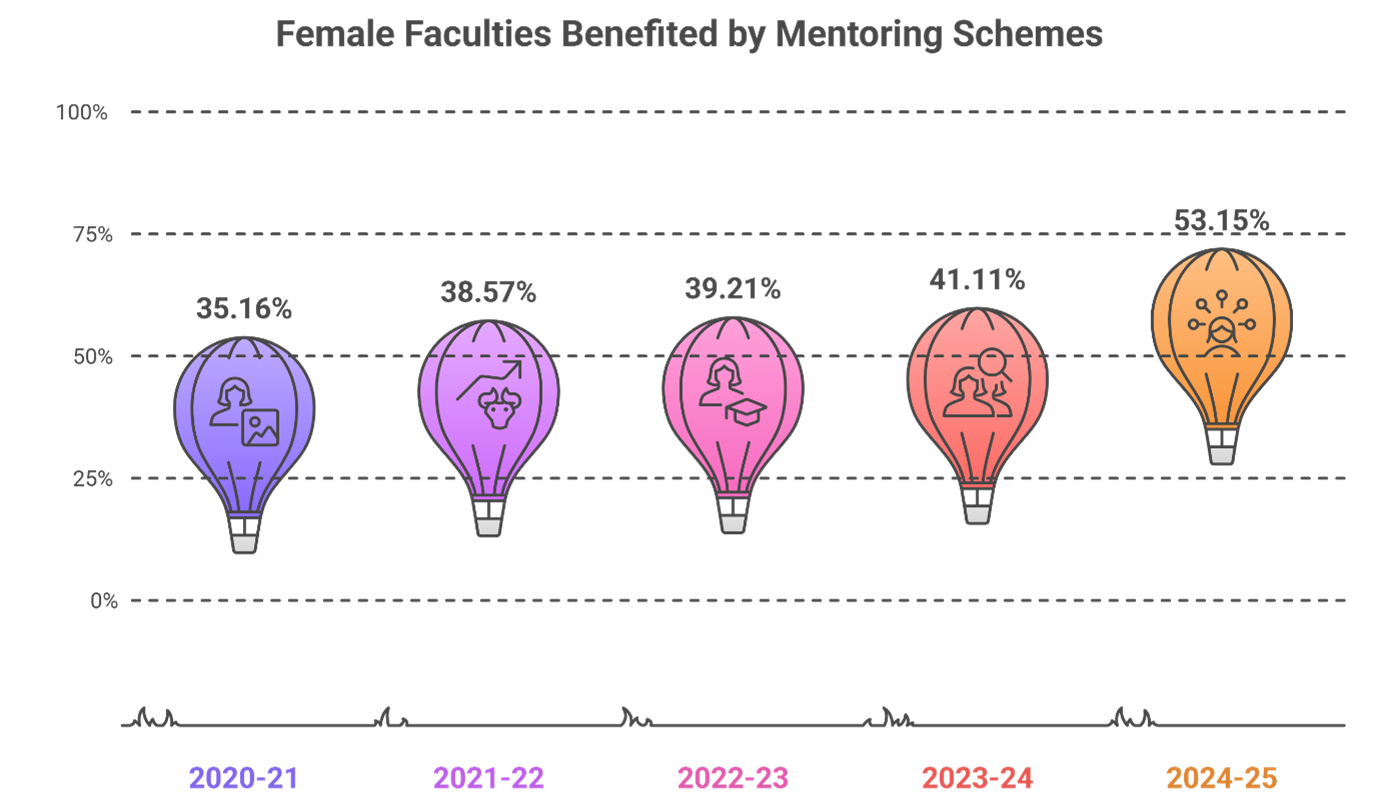
Trend analysis of the impact of women’s mentoring schemes on female faculty members

Trend analysis of women's mentoring impact on faculty

OUTCOME: https://paruluniversity.ac.in/women-development-cell

Tracking and Enhancing Women's Graduation Rate

1. Purpose and Objectives

Parul University is dedicated to promoting gender equity and ensuring that all students, particularly women, are fully supported in achieving their academic goals. The Policy on Tracking and Enhancing Women’s Graduation Rate establishes a structured, data-driven mechanism for monitoring women’s progression, retention, and graduation rates in comparison to their male counterparts.

The policy aims to:

  • Identify and address barriers affecting women’s academic completion, particularly in underrepresented fields such as STEM.
  • Promote equality in academic outcomes through consistent monitoring and intervention.
  • Foster an inclusive environment that enables every woman to complete her academic journey successfully.

This initiative aligns with the goal of Gender Equality and builds on Parul University’s institutional mechanisms under PUMIS (Parul University Management Information System), which tracks every stage of the student lifecycle, from application and enrollment generation to degree award.

Regularized Data Collection and Analysis

1. PUMIS-Based Tracking Mechanism

  • PUMIS serves as the centralized digital platform for monitoring gender-disaggregated data on student progression, academic performance, and graduation.
  • The system captures and analyses graduation data at the faculty, institute, and department levels, ensuring full transparency and accountability in women’s academic outcomes.
  • Data points include dropout rates, academic performance trends, course completion, and time-to-graduation for both female and male students.

2. Gender-Specific Academic Performance Metrics

  • PUMIS generates program-wise academic performance dashboards showing GPA, semester progression rates, and course completion statistics disaggregated by gender.
  • Trends identified through PUMIS help the University design corrective measures and interventions for improving women’s academic progression and graduation rates.

3. Targeted Data Reports

  • The IQAC produces an annual Gender Graduation Report, integrating data from PUMIS to identify gaps, disparities, and success trends.
  • These reports are shared with the University Academic Council and Women Development Cell (WDC) to guide evidence-based policy decisions and resource allocations.
Gap Analysis and Early Intervention Programs

1. Gap Analysis

  • Each year, PUMIS-generated reports are reviewed to identify gender disparities in graduation rates across programs and faculties.
  • The analysis focuses on potential causes—such as financial constraints, workload imbalances, socio-cultural challenges, or limited academic support—and prioritizes corrective action.

2. Early Intervention Mechanisms

  • Departments implement Early Academic Support Programs targeting students—especially women—identified through PUMIS as “at risk of non-completion.”
  • These include periodic academic counselling, peer tutoring, and faculty mentorship to ensure continuous engagement and academic progress.
  • The Women Development Cell collaborates with academic advisors to track interventions and outcomes biannually.
Mentoring and Support Schemes for Female Students

1. Women’s Mentorship Program

  • Parul University maintains a Women’s Mentorship Program pairing female students with faculty members, alumni, or senior peers for academic and personal guidance.
  • Mentorship focuses on confidence building, resilience, and strategies for academic success—particularly for women in male-dominated disciplines.

2. Dedicated Academic Advising

  • Trained academic advisors provide gender-sensitive counselling to help female students manage workload, set academic goals, and balance personal responsibilities.
  • Advisors track progress through PUMIS dashboards, allowing proactive interventions in cases of declining performance or attendance.
Financial Support and Scholarship Programs

1. Scholarships and Financial Aid

  • The University offers Women in STEM Scholarships and other merit- and need-based financial aid programs for academically deserving women.
  • PUMIS-integrated scholarship tracking ensures transparency and targeted allocation to support women’s retention and completion.

2. Childcare Support

  • A Childcare Subsidy Program assists female students with young children by subsidizing daycare services provided through the University’s Free-of-Cost Daycare Facilities.
  • This initiative reduces dropout risk among student-mothers and promotes academic continuity.
Initiatives for Gender Equity in Education and Career Development

1. Support for Women in Underrepresented Fields

  • Parul University implements STEM outreach and retention programs, including peer learning circles, women-led research clusters, and skills-based workshops.
  • These initiatives aim to enhance women’s academic confidence and reduce dropout rates in technical disciplines.

2. Career Development and Industry Linkages

  • The University organizes career fairs, women-led networking events, and internship programs that connect female students to professional opportunities.
  • Tailored sessions on career planning, leadership development, and overcoming workplace gender barriers are conducted through the Placement and Training Cell.
Monitoring, Evaluation, and Reporting

1. Biannual Progress Reviews

  • The Women Development Cell, in collaboration with the Institutional Research Department, conducts biannual performance reviews of women’s graduation data using PUMIS analytics.
  • Student and faculty feedback inform program adjustments and the development of new support initiatives.

2. Annual Report on Gender Equity in Graduation Rates

  • The University publishes an Annual Gender Equity in Graduation Report summarizing graduation rate comparisons between women and men, with recommendations for targeted interventions.
  • This report includes:
    • Program-specific graduation and dropout trends
    • Evaluation of financial and mentoring support outcomes
    • Year-over-year trend analysis of women’s academic completion
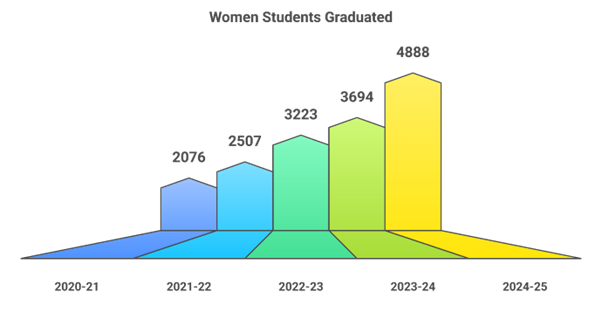
The following section provides supporting evidence through the Trend Analysis of Women’s Graduation Rate.

Using PUMIS-generated longitudinal data, the University conducts trend analysis of women’s graduation rates across all programs.

PUMIS-generated longitudinal data

Key indicators analyzed include:

  • Five-year comparative graduation trends
  • Program-specific retention and completion rates
  • Impact of scholarships and mentorship interventions on women’s graduation outcomes

The insights from this analysis directly inform institutional planning, ensuring that Parul University continues to uphold its commitment to gender equity, inclusive excellence, and student success at all levels.

Policy Implementation Details
  • Policy Created: July 18, 2022

Policies protecting those reporting discrimination

Policy on Protection Against Discrimination-Related Retaliation and Educational/Employment Disadvantage

Preamble

Parul University is committed to maintaining an environment where students, faculty, and staff feel safe and empowered to report instances of discrimination without fear of retaliation or educational or employment disadvantage. Recognizing that a diverse, inclusive environment enhances innovation, learning, and well-being, the university affirms its stance against all forms of discrimination and is dedicated to protecting the rights of those who report incidents or discrimination concerns. This policy forms part of Parul University’s overarching commitment to equality, diversity, and inclusion, ensuring every member can pursue their education or career without compromise.

Objective

To safeguard individuals reporting discrimination from any adverse impact on their educational or employment status at Parul University and to promote an inclusive, respectful environment where discrimination complaints are addressed in a fair, timely, and effective manner.

Purpose and Vision

This policy aims to foster an environment of trust and security where every individual feels confident in reporting discrimination without fear of reprisal. By implementing protective measures for those who raise concerns or complaints related to discrimination, the university reinforces its commitment to promoting equality, diversity, and inclusion across all academic and administrative levels.

Scope

This policy applies to all students, faculty, and staff at Parul University. It covers both internal reporting of discrimination within the university as well as external reporting to relevant authorities.

Key Principles
  • Non-Retaliation: Parul University strictly prohibits any form of retaliation against individuals who report incidents of discrimination, participate in an investigation, or seek support in cases of discrimination.
  • Confidentiality and Sensitivity: All reports will be treated with strict confidentiality, ensuring the privacy and dignity of those involved, and will be managed with sensitivity.
  • Fairness and Impartiality: Parul University commits to conducting thorough, unbiased investigations, ensuring that no individual faces unfair disadvantage due to their role in reporting discrimination.
Policy Actions

1. Reporting Mechanisms

  • Accessible Channels: Parul University will provide multiple accessible channels for reporting discrimination concerns, including online portals, anonymous reporting forms, and designated EDI officers.
  • Awareness Campaigns: Regular awareness campaigns will inform the university community of these reporting mechanisms and the protections in place for reporters.

2. Protection Measures

  • No Adverse Consequences: Individuals reporting discrimination will not face adverse educational or employment consequences. The university will actively monitor for signs of disadvantage or retaliation in academic evaluations, job assignments, and opportunities for advancement.
  • Support Systems: Reporters will have access to counselling and advisory services to support their well-being throughout the reporting process.

3. Investigation and Resolution Process

  • Timely and Fair Investigations: Discrimination complaints will be handled promptly, with a clear timeline and steps for resolution. Trained EDI officers will oversee investigations to maintain objectivity and ensure justice.
  • Resolution and Remedial Action: If discrimination is confirmed, appropriate corrective measures will be taken, including but not limited to disciplinary actions, policy amendments, or support for those affected.

4. Monitoring and Accountability

  • Regular Assessments: Parul University’s EDI Committee will review the implementation of this policy annually, collecting data on reported cases, outcomes, and user satisfaction.
  • Feedback Mechanisms: Feedback from the university community will be regularly solicited to ensure the policy remains relevant, responsive, and effective.
Accountability

This policy will undergo review every three years by the EDI Committee, with amendments made as necessary to enhance protections and ensure alignment with best practices and legal standards. The university leadership will oversee and support all efforts to protect those who report discrimination and to sustain a fair and inclusive academic and employment environment.

Policy Implementation Details
  • Policy Created: July 15, 2015
  • Policy Reviewed: June 23, 2022
  • Policy Revised: July 18, 2022

Policy for Paternity Leave Supporting Women’s Participation and Shared Childcare Responsibilities

Paternity Leave Policy

Purpose

Parul University is committed to promoting gender equality and shared parenting through a supportive Paternity Leave Policy. The policy ensures that non-gestational parents can actively participate in childcare, thereby reducing the caregiving burden on women and supporting their continued participation in academic and professional roles.

Scope

This policy applies to all full-time, part-time, and contractual male employees, as well as non-gestational parents, including adoptive and surrogate parents, across all departments of Parul University.

Paternity Leave Entitlement
  • Eligible employees are entitled to 15 days of paid paternity leave, which may be availed within six months of the birth or adoption of a child.
  • The policy applies equally in cases of adoption or surrogacy, ensuring inclusivity for all family structures.
Flexible Work Arrangements
  • Non-gestational parents may request flexible working hours during the first three months after returning to work to actively share childcare responsibilities.
  • Options such as remote work, part-time schedules, or modified working hours may be approved to facilitate family care without career disruption.
Job Protection and Non-Discrimination
  • Employees availing paternity leave are assured full job security and equal opportunities for advancement.
  • Any form of retaliation, discrimination, or bias against employees utilizing paternity or parental leave is strictly prohibited.
Support for Family Well-being
  • Parul University provides access to on-campus childcare facilities, counselling services, and parental reintegration support to help families transition smoothly post-leave.
  • Supervisors are encouraged to foster a family-friendly and inclusive workplace that values both parents’ roles in early child development.
Review and Continuous Improvement

The policy is reviewed annually to align with evolving employee needs, legal requirements, and best practices in family-friendly workplace standards.

Policy Implementation Details
  • Policy Created: July 18, 2022
\