Interdisciplinary Research and Innovation
About Parul University
Parul University has established interdisciplinary science research as a strategic institutional priority, creating a deliberate and well-resourced ecosystem that brings together knowledge, methods, and expertise from multiple scientific disciplines to address the most complex challenges of our time.
The University's commitment to interdisciplinary research is reflected not only in its academic output but in the structural investments it has made — in funding, infrastructure, faculty support, and institutional policy — to ensure that boundary-crossing science is not incidental, but intentional and sustained.
Research Funding for Interdisciplinary Science
Parul University allocates a dedicated and substantial budget to support faculty and researchers engaged in interdisciplinary science research. In 2024, approximately ₹18 Crores were allocated to interdisciplinary research within applicable disciplines — spanning Engineering, Computer Science, Life Sciences, and Physical Sciences, as well as their combinations with Social Sciences, Law, Psychology, Clinical & Health, and Economics.
This funding is dynamic and responsive, varying annually in accordance with institutional research priorities, government grants, private sector collaborations, and research endowments — ensuring that support keeps pace with the evolving landscape of interdisciplinary science.
Strategic Distribution Across Interdisciplinary Domains
Research income is strategically distributed across Parul University's active interdisciplinary research domains, including:
- Health Sciences & Biomedical Engineering — integrating Life Sciences, Engineering, and Clinical & Health
- Artificial Intelligence & Data Science — combining Computer Science with Engineering, Social Sciences, and Physical Sciences
- Sustainable Development & Environmental Engineering — bridging Engineering, Physical Sciences, and Social Sciences
- Biotechnology & Pharmaceutical Science — integrating Life Sciences with Chemistry and Clinical & Health
- Law & Technology Policy — combining Law with Engineering and Computer Science
- Materials Science & Nanotechnology — unifying Physical Sciences and Engineering
This targeted allocation fosters collaboration across disciplines to address pressing societal, scientific, and technological challenges — and ensures that Parul's most impactful interdisciplinary research domains receive consistent financial backing.
Rigorous Evaluation and Transparency
All interdisciplinary research funding proposals undergo a structured, multi-stage evaluation process administered by the Research and Development Cell (RDC). Funding is awarded to projects that demonstrate: :
- Genuine integration of two or more applicable science disciplines
- Strong potential for collaboration, innovation, and real-world applicability
- Alignment with Parul University's prioritised interdisciplinary research thrust areas
An institutionally constituted EMR (Extramural Research) Evaluation Committee reviews all proposals before submission to external funding agencies, while the IMR (Intramural Research) Evaluation Committee governs the allocation of internal seed funding — ensuring rigorous quality control at every stage.
External Grant Facilitation
Faculty and researchers are actively supported in securing external grants from government agencies (DST, SERB, DBT, ICMR, CSIR), industry partners, and global research collaborations. The RDC provides dedicated grant writing, budgeting, and submission support — and provides a 1% financial incentive on every extramural grant sanction as a direct reward for securing interdisciplinary funding.
Monitoring and Accountability
A structured monitoring system tracks fund utilisation and project outcomes across all funded interdisciplinary research. The RDC assesses performance against key indicators including publication impact, patent filings, industry partnerships, technology transfer milestones, and societal contributions. Regular audits and performance evaluations ensure the efficient and transparent use of resources — reinforcing Parul University's commitment to interdisciplinary research excellence.
Parul University has established a formal, structured framework for measuring the success of interdisciplinary science research across all applicable disciplines — Engineering, Computer Science, Life Sciences, and Physical Sciences — as well as their combinations with Social Sciences, Law, Psychology, Clinical & Health, and Economics. These measures are administered by the Research and Development Cell (RDC) and the Center for Multidisciplinary and Interdisciplinary Education (CMIE), reviewed annually, and tracked through institutionally constituted evaluation committees.
Formal Key Performance Indicators (KPIs)
Parul University tracks the following specific, quantified KPIs as official measures of interdisciplinary science research success:
Interdisciplinary Publications Annual count of peer-reviewed publications spanning two or more applicable science disciplines, indexed in Scopus and Web of Science, tracked by the RDC Publication Monitoring Committee. Achievement: 1,283+ interdisciplinary research publications.
Sponsored Research Grants Externally generated research income for interdisciplinary science projects, reviewed by the EMR Evaluation Committee before submission to national and international funding agencies. Achievement: 135 sponsored research projects with total grants exceeding ₹62 Crore.
Patents Filed Across Disciplines Number of patents arising from formally registered interdisciplinary science projects, tracked by the RDC IPR Committee — which covers all costs of filing, prosecution, and commercialisation. Achievement: 270+ patents filed from interdisciplinary research.
Intramural Seed Money Projects Number and value of interdisciplinary research projects sanctioned through internal seed funding, evaluated by the IMR Evaluation Committee for cross-disciplinary scope and research quality. Achievement: ₹4.75 Crore in Intramural Research Projects sanctioned.
Cross-Department Student Research Projects PG and PhD research projects formally registered as interdisciplinary, involving supervision from faculty across two or more applicable science departments. Achievement: 2,640+ interdisciplinary PG and PhD research projects.
Startups Incubated from Interdisciplinary Research Startups successfully incubated from cross-disciplinary science research, validated through Parul University's Innovation and Incubation Centre. Achievement: 71 startups incubated.
Industry Collaborations and MoUs Active MoUs with industry partners, national institutes, research bodies, and clinical organisations involving interdisciplinary science research — including Springer-Nature, Taylor & Francis, IITs, NITs, CROs, and Clinical Trial Units.
Evaluation and Monitoring Committees
Parul University has constituted the following formal committees that govern the measurement, approval, and outcome monitoring of interdisciplinary research:
IMR (Intramural Research) Evaluation Committee — Reviews and sanctions internal seed money proposals, verifying cross-disciplinary collaboration and research quality before funding is approved.
EMR (Extramural Research) Evaluation Committee — Reviews all interdisciplinary proposals against prioritised thrust areas before submission to national, international, or state-level funding agencies — ensuring genuine interdisciplinary design at the institutional level.
Publication Monitoring Committee — Tracks interdisciplinary publication output across all departments, monitors journal quality (Q1–Q4 indexed journals), and reports directly to the RDC.
IPR Committee — Tracks patents and technology transfer arising from interdisciplinary science research. Covers full expenses of patent filing, prosecution, and technology development up to and beyond TRL-5.
Seed Money Evaluation Committee — Reviews and sanctions seed funding with priority given to proposals integrating two or more applicable science disciplines.
Central Instrumentation Development Committee — Oversees shared scientific instrumentation development and allocation for interdisciplinary research use across all departments.
In 2024 alone, Parul University awarded over ₹1 Crore in incentives specifically for interdisciplinary research contributions — establishing a direct, measurable, and verifiable link between ISR output and institutional reward.
Technology Transfer and Commercialisation
Technology transfer is tracked as a formal ISR success measure through the RDC's IPR Committee, covering patent filing, technology development above TRL-5, licensing, and commercialisation. Notable examples of interdisciplinary research translated into real-world impact include:
Yield Pro Earth Private Limited — An interdisciplinary Agritech startup integrating Engineering, Environmental Science, and Agriculture. Its flexible irrigation technology reduces costs by 90%, saves 20% electricity and water, and expands cultivable land by 15%. Backed by Startup India funding and patents, it secured a ₹75 lakh purchase order from ICICI Foundation — benefiting 2,000+ farmers in Kutch & Banaskantha and currently supporting 15,000+ farmers in Vadodara.
Dr. Cardio — An interdisciplinary Healthtech startup combining Healthcare, AI, and Biomedical Engineering that developed the world's smallest 12-channel ECG machine for instant virtual cardiac diagnostics. 350+ devices sold globally. Recognised by Hon. Chief Minister of Gujarat, Shri Bhupendra Patel, and recipient of the Impact Creator Award 2021 at Raj Bhavan, Mumbai.
Research Integrity and Monitoring
All interdisciplinary research manuscripts undergo centralised Turnitin-iThenticate plagiarism screening at the Central Library before submission — ensuring research integrity across all disciplinary outputs.
Faculty are reimbursed for analytical charges paid to national laboratories for interdisciplinary research experiments, with each reimbursement logged and tracked through the RDC as part of ongoing project monitoring.
Regular audits and performance evaluations are conducted against all KPIs listed above, with outcomes reported to the University Research Committee and Academic Council annually — ensuring the efficient, transparent, and impact-driven use of interdisciplinary research resources.
Ongoing Research Projects
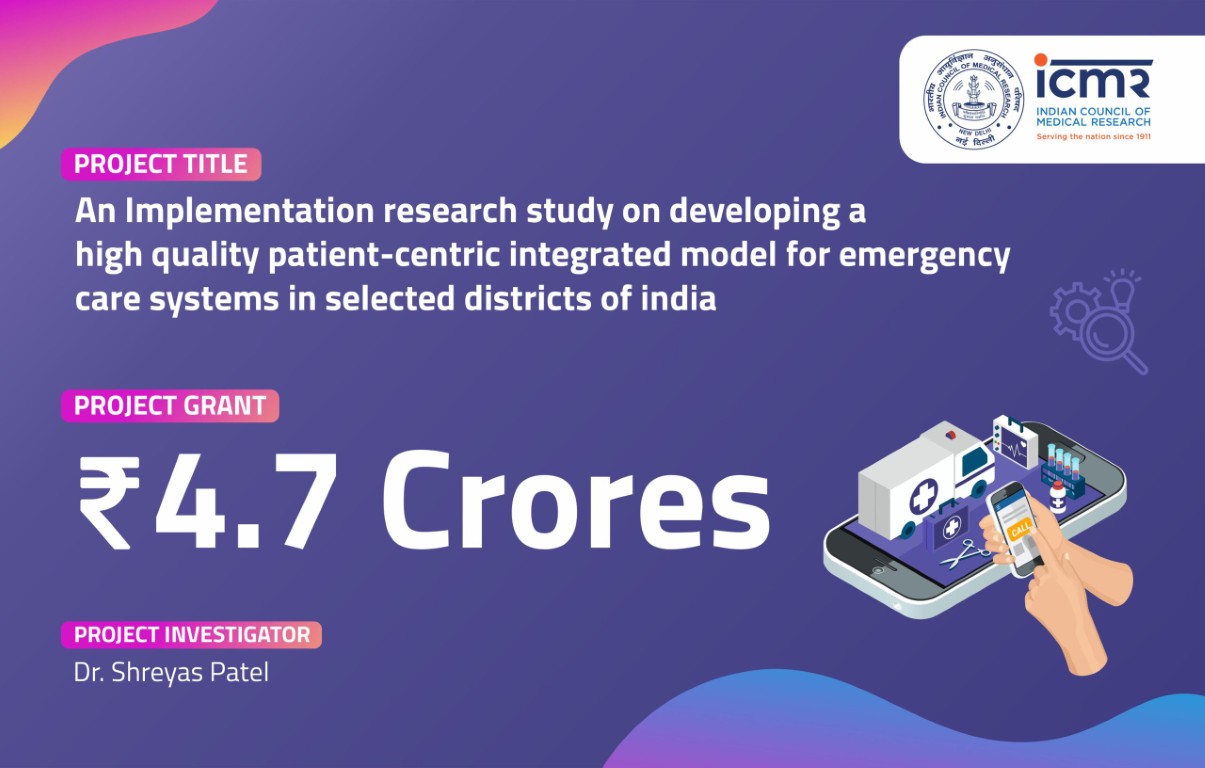
An Implementation research study on developing a high quality patient-centric integrated model for emergency care systems in selected districts of india
ICMR
₹470 lacs
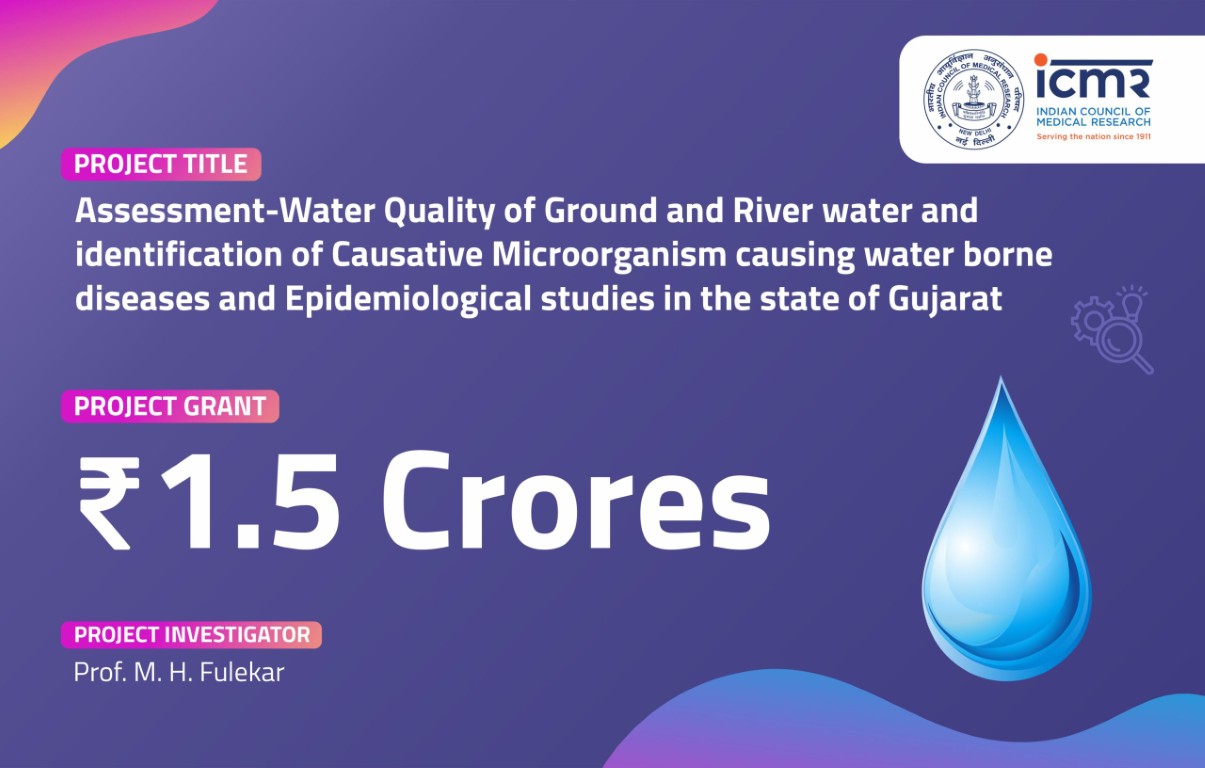
Water Quality of Ground and River water and identification of Causative Microorganism causing water borne diseases and Epidemiological studies in the state of Gujarat
ICMR
₹150 lacs
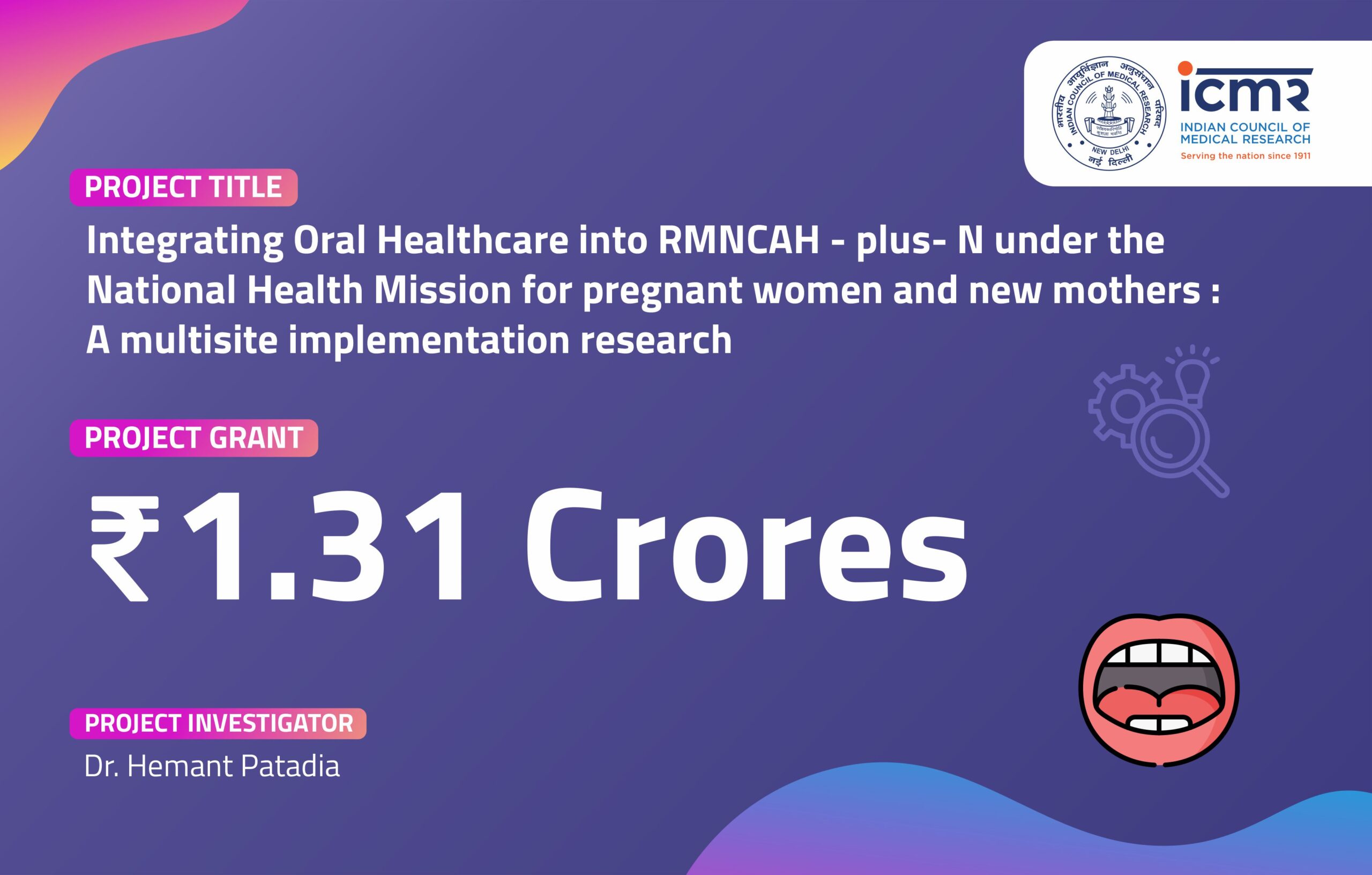
Integrating Oral Healthcare into RMNCAH – plus- N under the National Health Mission for pregnant women and new mothers : A multisite implementation research
ICMR
₹1.31 Cr
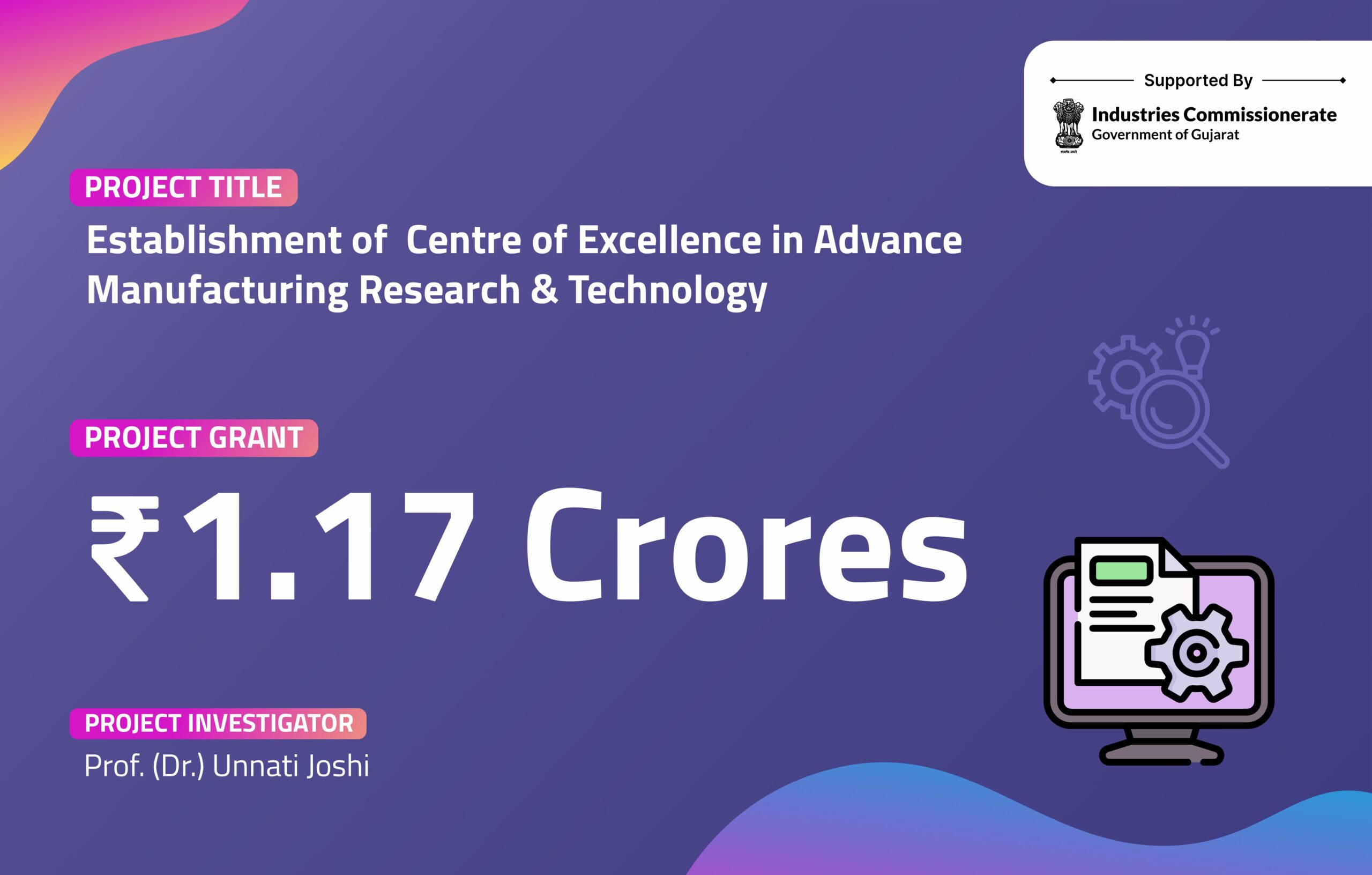
Establishment of Centre of Excellence in Advance Manufacturing Research & Technology
Industries Commissionerate Government of Gujarat
₹ 1.17 Crores
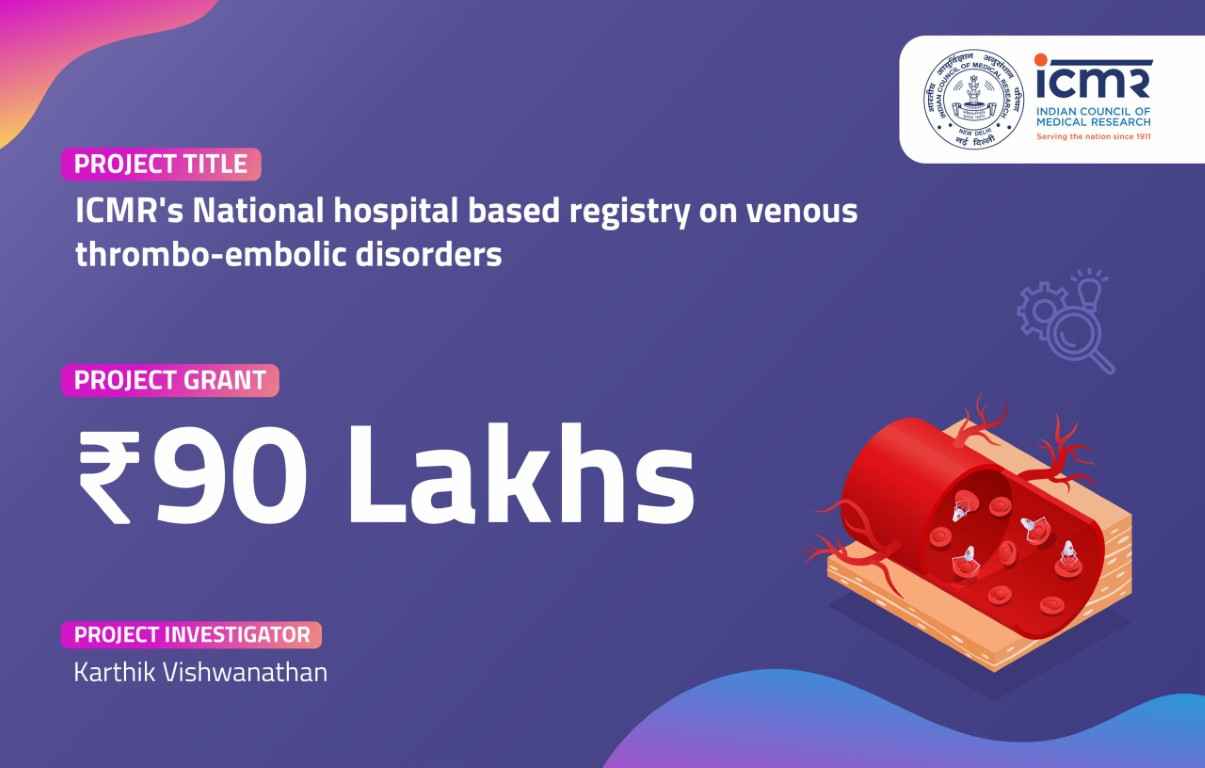
ICMR’s National hospital based registry on venous thrombo-embolic disorders
ICMR
₹90 lacs
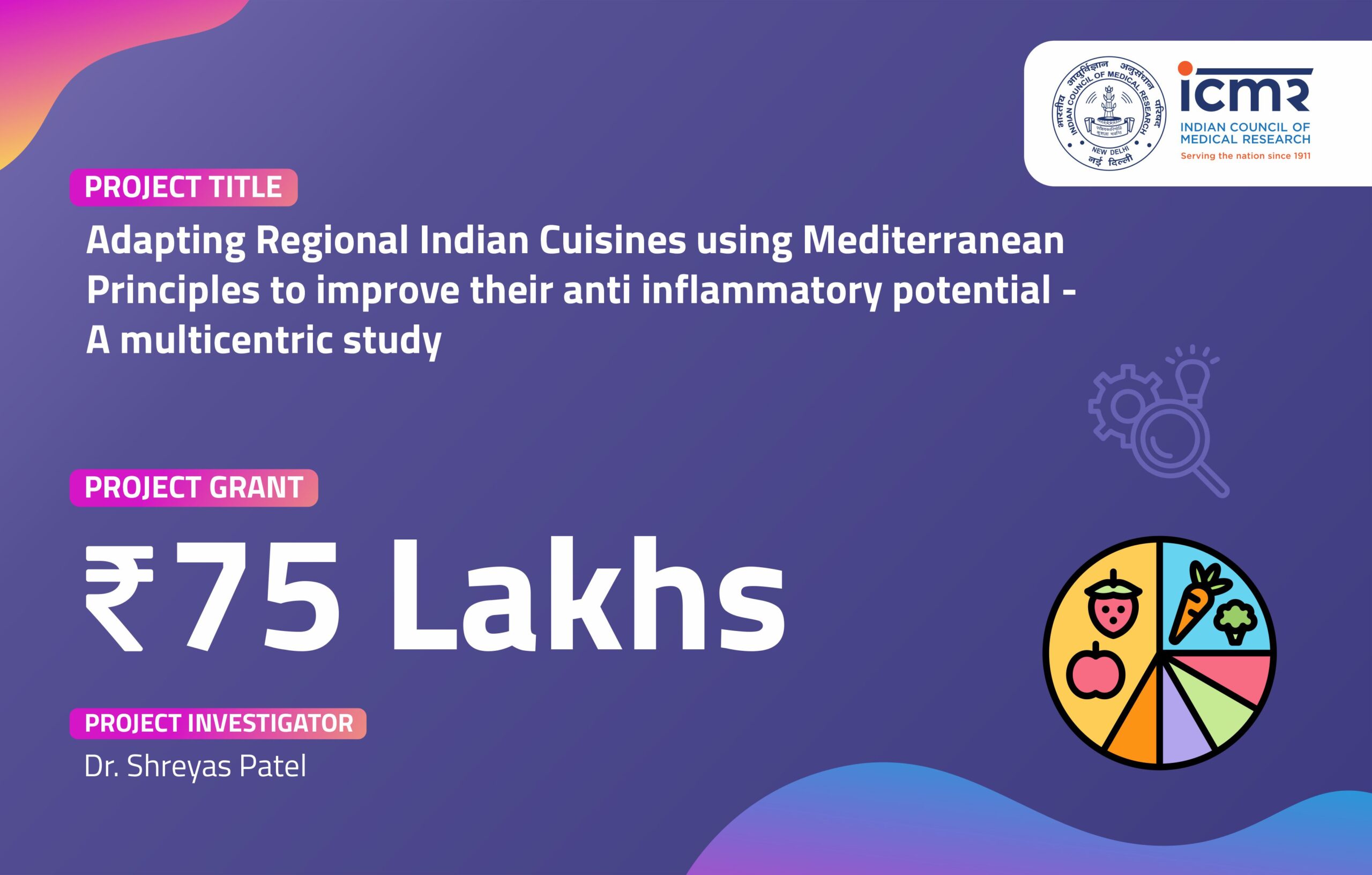
Adapting Regional Indian Cuisines using Mediterranean Principles to improve their anti inflammatory potential – A multicentric study
ICMR
₹75 lacs
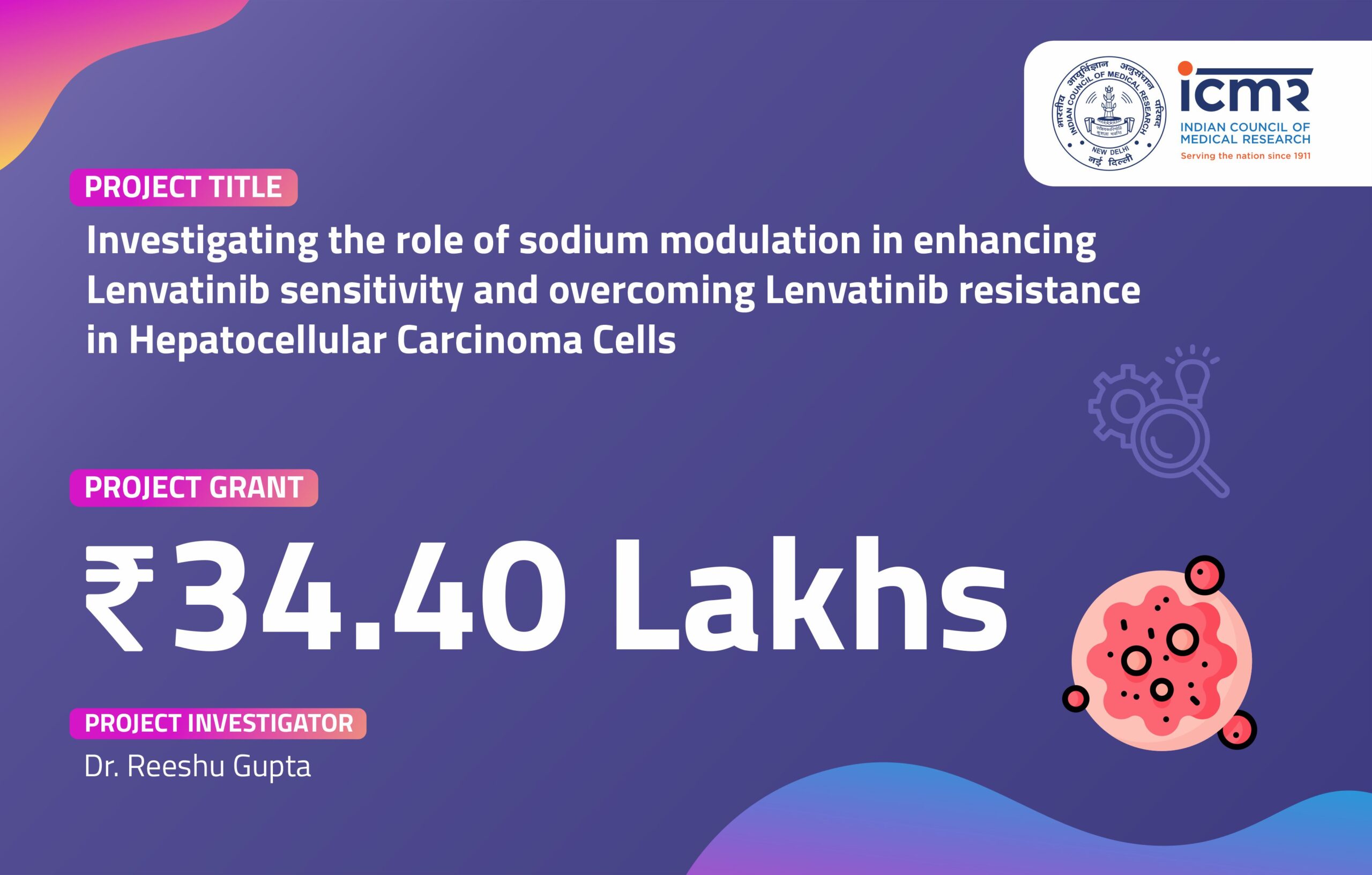
Investigating the role of sodium modulation in enhancing Lenvatinib sensitivity and overcoming Lenvatinib resistance in Hepatocellular Carcinoma Cells
ICMR
₹34.40 lacs
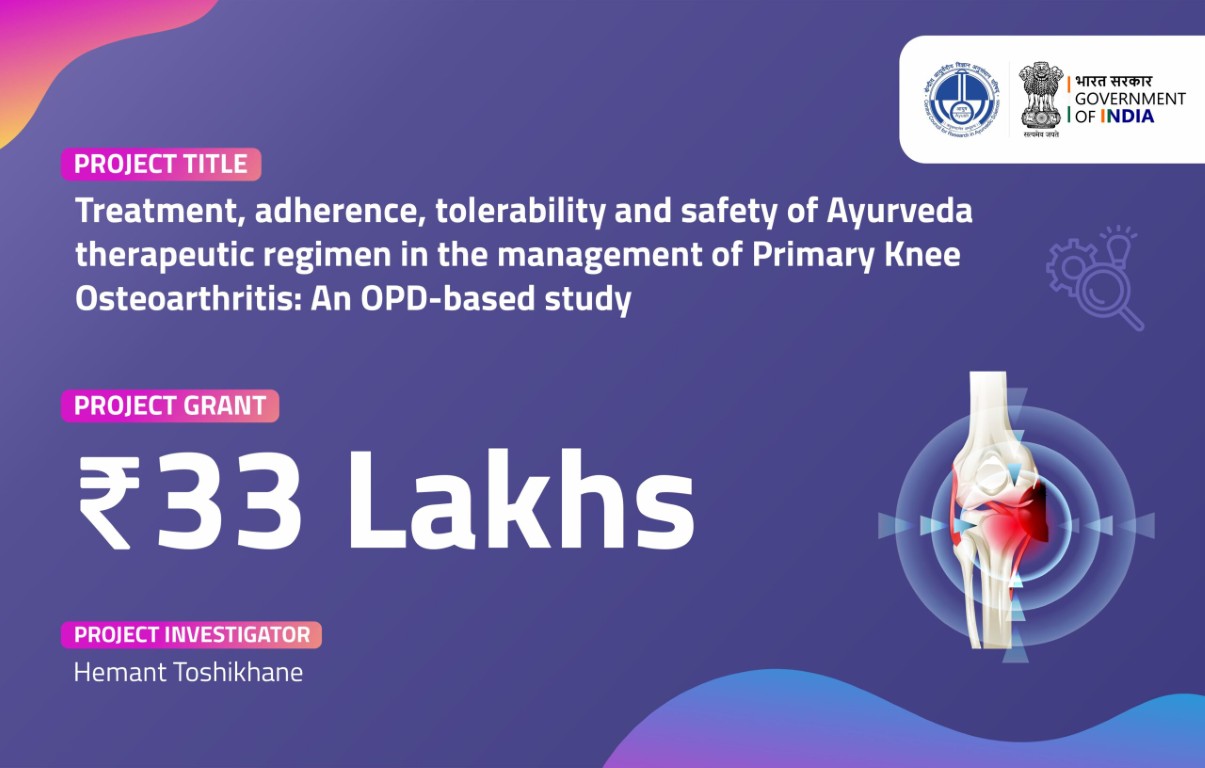
Treatment, adherence, tolerability and safety of Ayurveda therapeutic regimen in the management of Primary Knee Osteoarthritis: An OPD-based study
CCRAS - Govt of India
₹33 lacs
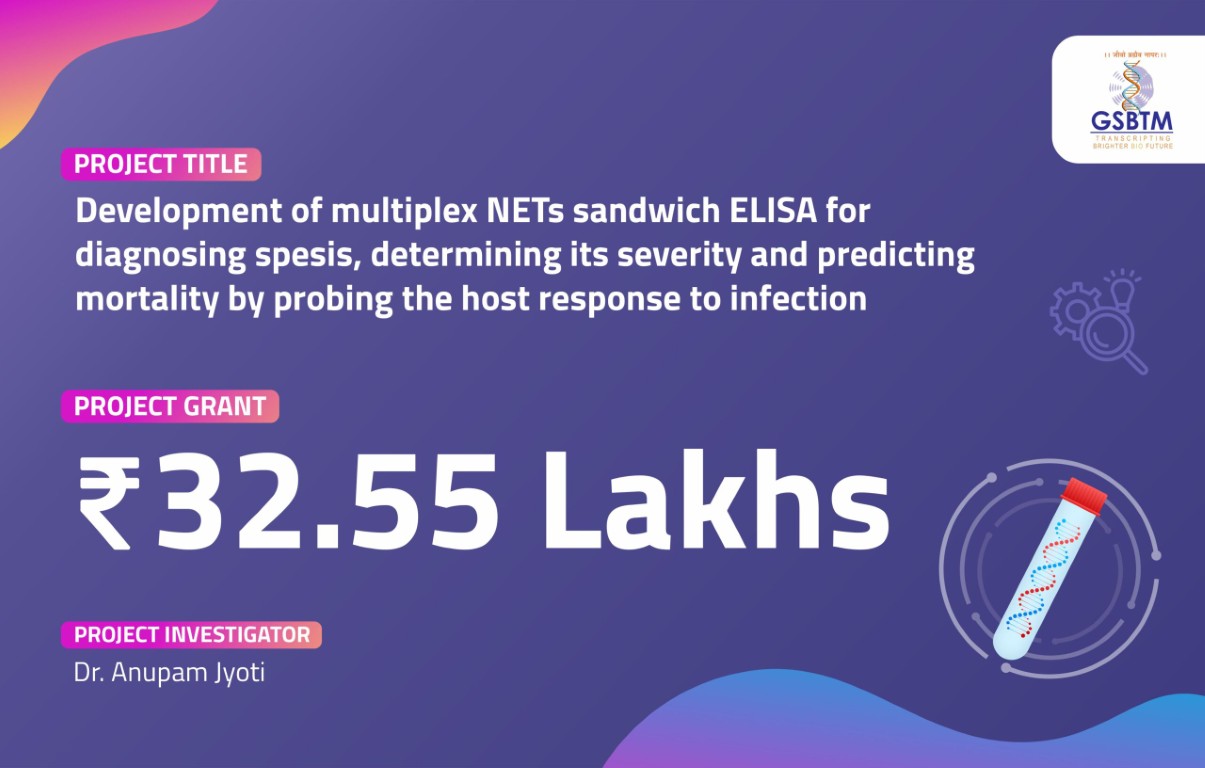
Development of multiplex NETs sandwich ELISA for diagnosing spesis, determining its severity and predicting mortality by probing the host response to infection
GSBTM
₹32.55 lacs
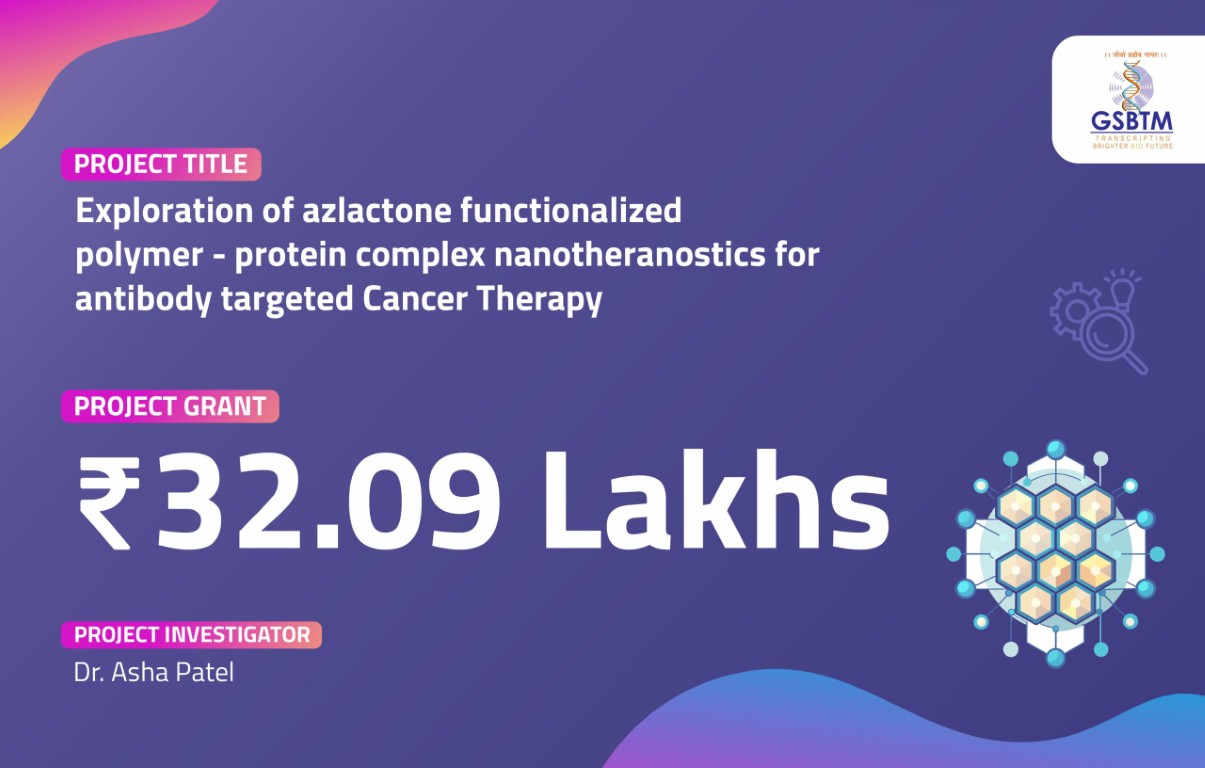
Exploration of azlactone functionalized polymer – protein complex nanotheranostics for antibody targeted Cancer Therapy
GSBTM
₹32.09 lacs
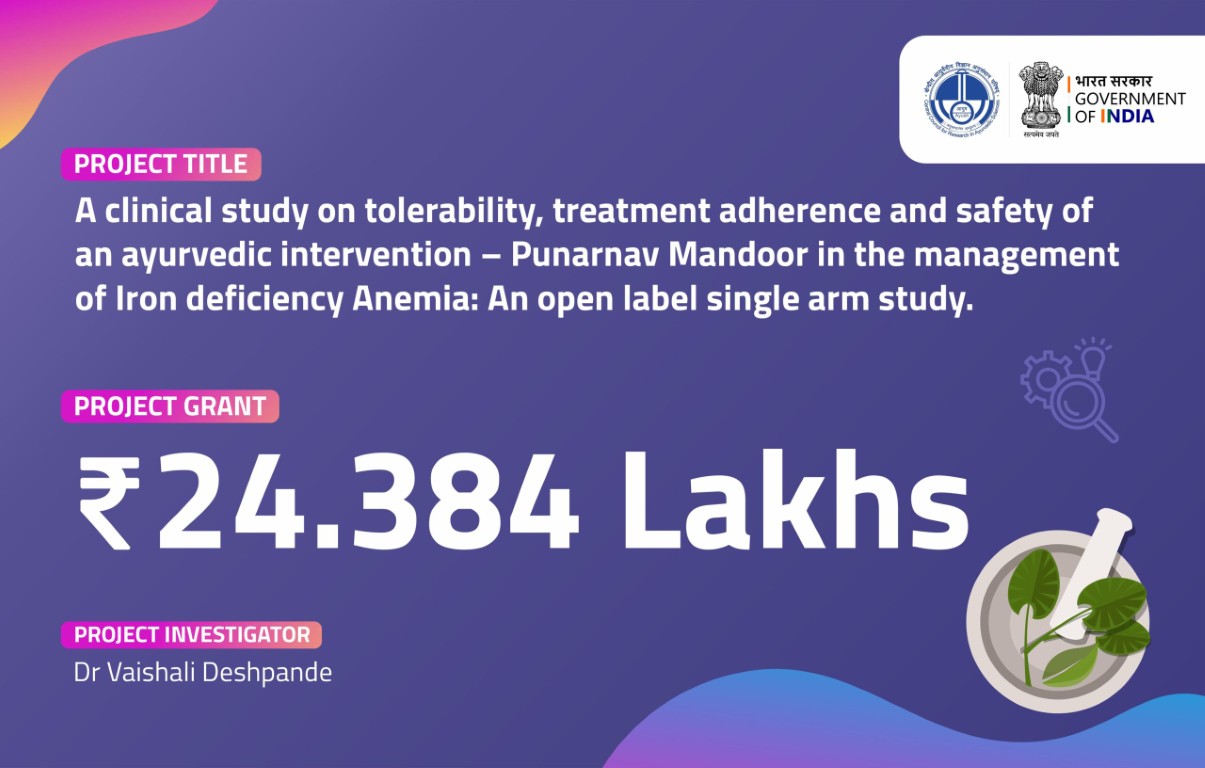
A clinical study on tolerability, treatment adherence and safety of an ayurvedic intervention – Punarnav Mandoor in the management of Iron deficiency Anemia: An open label single arm study.
CCRAS - Govt of India
₹24.384 lacs
Accelerating skill development in Biotech sector
DBT - Skill Vigyan
₹21.3 lacs
Undertanding the mechanism of AMPK deoendent regulatory pathway in regulation of Huntington – polyQ aggregates degradation
Dept of Health Science New Delhi
₹18.32 lacs
Evaluation of the diagnostic potential of recombinant filarial proteins & Development of Rapid Immuno- chromatographic concomitant antigen and antibody detection test for diagnosis of Lymphatic Filariasis
ICMR
₹108.92 lacs
Seizure-Sentry: Wearable Epilepsy Prediction Device for Enhanced Patient Safety through Timely Alerts and Personalized Seizure Management
ICMR
₹61 lacs
- Completed Interdisciplinary Research Projects
- Patent for ISR
- Research Publications
- Startups Incubated
- Sponsored Research Projects
Parul University has invested over ₹15 Crore in dedicated physical infrastructure to support interdisciplinary science research across all applicable disciplines — Engineering, Computer Science, Life Sciences, and Physical Sciences — and their combinations with Social Sciences, Law, Psychology, and Clinical & Health.
All facilities described below are purpose-designated for interdisciplinary science research and are not used for routine teaching or single-department activities. Access is administered by the Research and Development Cell (RDC) and the Parul Innovation and Entrepreneurship Research Centre (PIERC).
Facility 1: Research and Development Cell (RDC)
The Centre of Research and Development Cell (RDC) is Parul University's primary shared research facility, housing advanced scientific instrumentation accessible to research teams from multiple applicable science disciplines simultaneously. The Research and Development Cell (RDC) operates two dedicated interdisciplinary research sub-labs — the Animal Cell Culture Laboratory and the Cell Development Biology Laboratory — in addition to its central analytical instrumentation floor.
All instrumentation in the Research and Development Cell (RDC) is accessible across departments on the basis of approved interdisciplinary research projects. No single department owns or controls the facility — it is governed centrally by the RDC specifically to enable cross-disciplinary research access.
Analytical and Characterisation Instruments — serving Physical Sciences × Life Sciences × Engineering × Pharmacy:
|
Instrument |
Make / Model |
Interdisciplinary Research Application |
|
UV-VIS-NIR Spectrophotometer |
Shimadzu UV-1900i |
Chemistry × Physics × Clinical & Health × Environmental Science × Materials Science |
|
Fourier Transform Infrared Spectrometer (FTIR) |
Bruker Alpha II |
Chemistry × Engineering × Pharmacy × Forensic Science × Food Science |
|
High Performance Thin Layer Chromatography (HPTLC) |
CAMAG Linomat 5 + TLC Scanner 4 |
Pharmacy × Life Sciences × Chemistry |
|
High Performance Liquid Chromatograph (HPLC) |
Shimadzu |
Pharmacy × Biochemistry × Life Sciences × Chemical Engineering |
|
Gas Chromatography-Mass Spectrometry (GCMS) |
Shimadzu GC-2014C |
Chemistry × Environmental Science × Pharmacy × Petrochemicals |
|
Split Tube Furnace (Programmable) |
City Instrument |
Materials Science × Physics × Metallurgy × Engineering |
|
Muffle Furnace |
Durga Scientific Works |
Materials Science × Physics × Engineering × Chemistry |
|
Rotary Film Evaporator (Rotavapor) |
Buchi R-300 |
Chemistry × Pharmacy × Life Sciences × Chemical Engineering |
|
Fluidized Bed Processor (FBP) |
VJ Instruments VJFBP-01 |
Pharmacy × Chemical Engineering × Materials Science |
|
Synergy HI Multi-mode Microplate Reader |
BioTek-Agilent |
Life Sciences × Clinical & Health × Biochemistry × Molecular Biology |
|
Veriti 96-Well Fast Thermal Cycler |
Applied Biosystems |
Life Sciences × Molecular Biology × Clinical & Health |
|
EVOS Floid Cell Imaging System |
Thermo Scientific |
Life Sciences × Clinical & Health × Biomedical Engineering |
|
iBright CL1500 Imaging System |
Invitrogen |
Life Sciences × Clinical & Health × Biochemistry |
|
Sorvall ST BR Benchtop Centrifuge |
Thermo Scientific |
Life Sciences × Clinical & Health × Molecular Biology |
|
Sorvall Legend Micro 17R Microcentrifuge |
Thermo Scientific |
Life Sciences × Biochemistry × Molecular Biology |
|
1300 Series Class II Type A2 Biological Safety Cabinet |
Thermo Scientific |
Life Sciences × Clinical & Health × Biomedical Engineering |
|
Forma Steri-Cycle i160 CO2 Incubator |
Thermo Scientific |
Life Sciences × Clinical & Health (cell line studies) |
|
Kanad Vidyut Clinical Biochemistry Analyzer |
Kanad Vidyut 8mpc Plus |
Clinical & Health × Life Sciences × Pharmacy |
|
-20°C Upright Freezer |
Elanpro EFS340 |
Life Sciences × Clinical & Health × Pharmacy |
|
-80°C Ultra Low Temperature Freezer |
Elanpro EDW86L405 |
Life Sciences × Clinical & Health × Biobanking |
|
Cassette Roller Pressing Machine |
Prahas Healthcare RPRTK-0421 |
Engineering × Clinical & Health × Pharmacy (diagnostic kit manufacture) |
|
Horizontal Strip Cutter |
Prahas Healthcare DA4HSC4.0 |
Engineering × Clinical & Health (lateral flow strip development) |
|
Continuous Band Sealer |
Prahas Healthcare FR-900 |
Engineering × Pharmacy × Food Science |
Cell Development Biology Laboratory instruments include: ABIGEN gel electrophoresis systems, PAGE and transfer apparatus, bacteriological and orbital incubators, inverted microscope (Labomed TCM-400), mPAGE Mini Wet Transfer System (Millipore), and mPAGE Mini Gel Tank — all supporting research at the intersection of Life Sciences, Molecular Biology, and Clinical & Health.
The Research and Development Cell (RDC) is a genuinely interdisciplinary facility — its instrumentation spans Physical Sciences, Life Sciences, Engineering, Pharmacy, and Clinical & Health simultaneously. No single department in the university possesses this breadth of analytical capability, making the Research and Development Cell (RDC) the critical shared infrastructure that enables cross-disciplinary experimental research at Parul University.
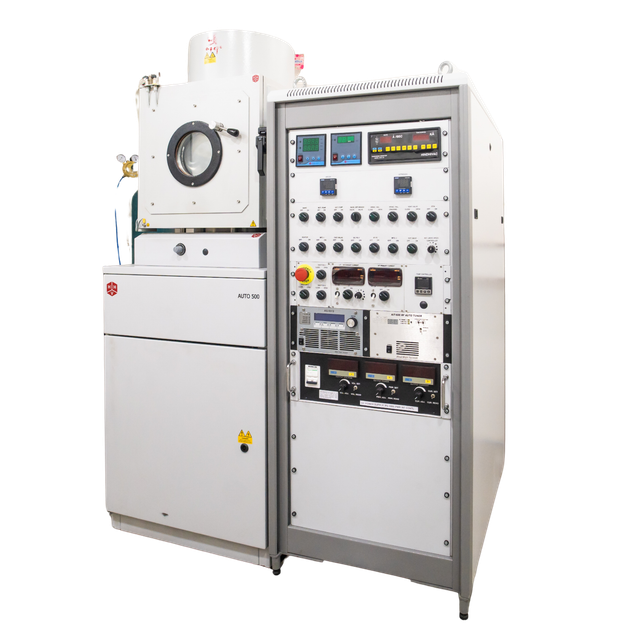
RF & DC Magnetron Sputtering with Thermal
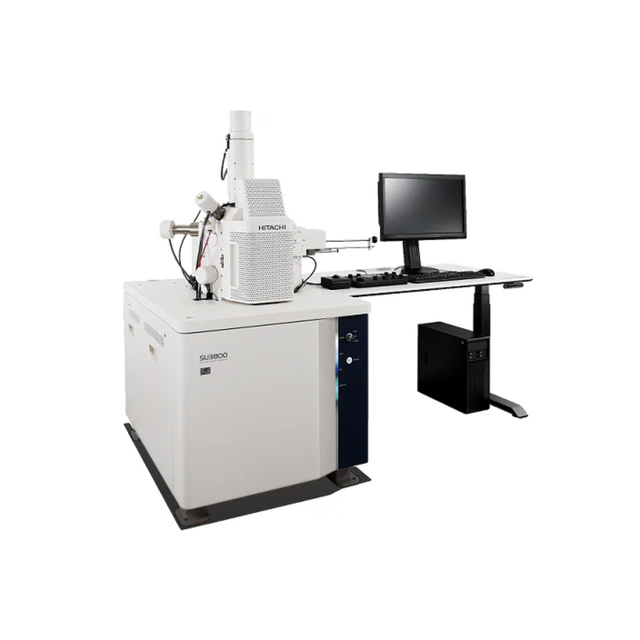
Scanning Electron Microscope (SEM) with EDS
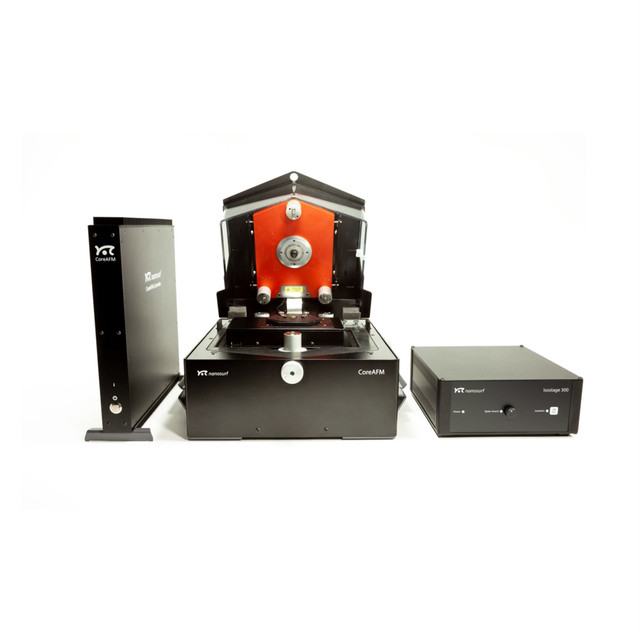
Scanning Probe Microscope
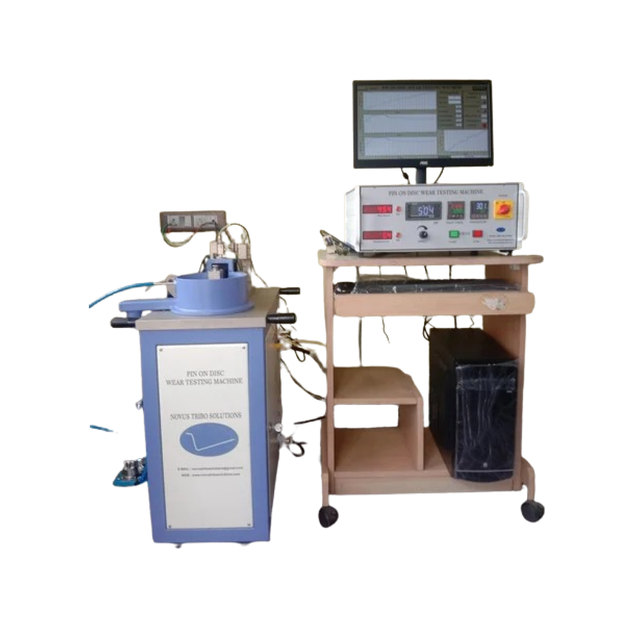
Pin on Disc Wear Testing Machine

LCR Meter

CNC MICRO Machine Tool
Facility 2: Micro–Nano Research & Development Centre
The Micro–Nano Research and Development Centre at Parul University is a specialized interdisciplinary facility established to advance research in micro and nano-scale technologies. The centre was established in 2024 under the support of the Industries Commissionerate, Government of Gujarat, through the Scheme for Assistance for Research & Development Activities under the Gujarat Industrial Policy 2020, with the objective of promoting cutting-edge research and innovation in emerging technological domains.
The facility provides advanced infrastructure for fabrication, characterization, and analysis at micro and nano scales, enabling high-end research across multiple disciplines including materials science, physics, chemical engineering, biomedical engineering, electronics, and applied sciences. It supports interdisciplinary experimentation involving nanomaterials, nanoelectronics, micro-electromechanical systems (MEMS), and biomedical nanotechnology, fostering collaborative research across academic, industrial, and governmental domains.
The centre is equipped with specialized instrumentation and testing systems that facilitate precision analysis of material properties, device performance, and nanoscale interactions. For instance, facilities such as advanced material testing systems and electrical characterization tools enable detailed evaluation of mechanical, electrical, and dielectric properties of materials under varying environmental conditions. These capabilities support research in areas such as semiconductor materials, energy systems, biomaterials, and advanced composites.
The Micro–Nano R&D Centre also emphasizes application-oriented research and technology development. It supports innovation in domains such as advanced materials, sensor technologies, semiconductor devices, energy systems, and healthcare applications, thereby enabling translation of fundamental research into industrial and societal solutions. As highlighted in the facility documentation, key research sectors include Material Science, Pharmaceutical Science, Biomedical & Health Sciences, Engineering, Semiconductor Technology, and Energy systems, demonstrating its broad interdisciplinary scope.
In addition to research infrastructure, the centre actively contributes to capacity building through postgraduate research, training programs, workshops, and interdisciplinary collaborations. These initiatives aim to develop skilled human resources in micro and nanotechnology while promoting integration of theoretical knowledge with experimental research.
Overall, the Micro–Nano Research and Development Centre functions as a centralized, high-end interdisciplinary research platform, supporting the full research lifecycle from material development and characterization to device fabrication and application-driven innovation, thereby strengthening Parul University’s capabilities in advanced science and technology research.
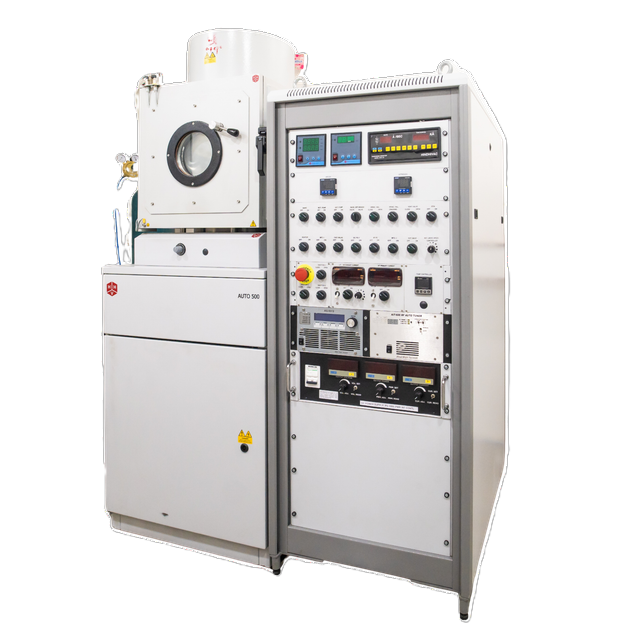
RF & DC Magnetron Sputtering with Thermal Evaporation System
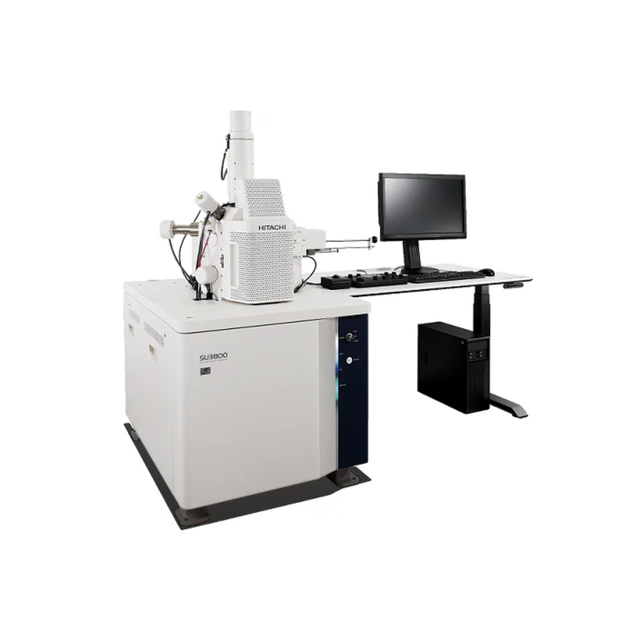
Scanning Electron Microscope (SEM) with EDS
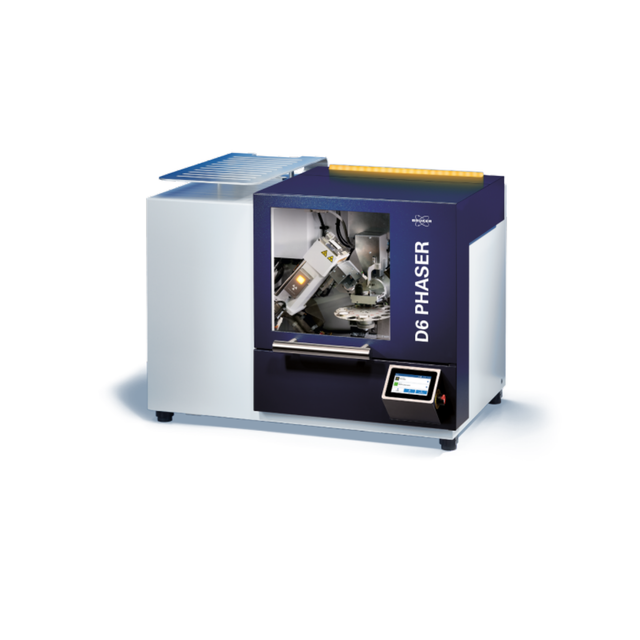
X-Ray Diffractometer (XRD)
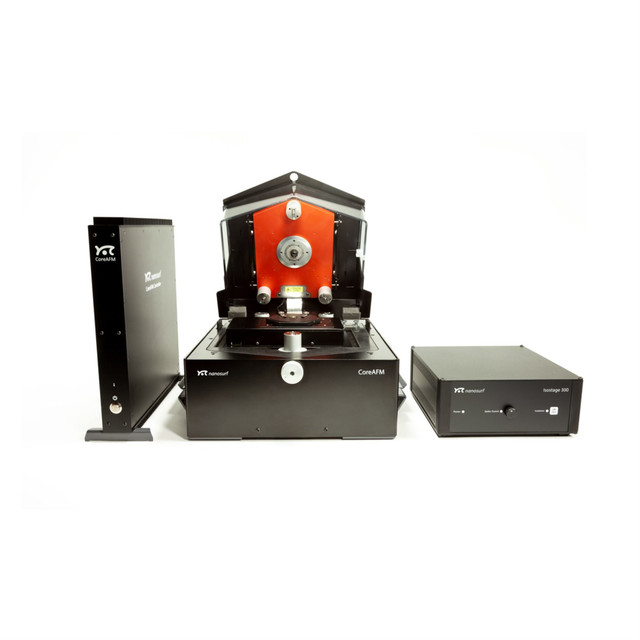
Scanning Probe Microscope
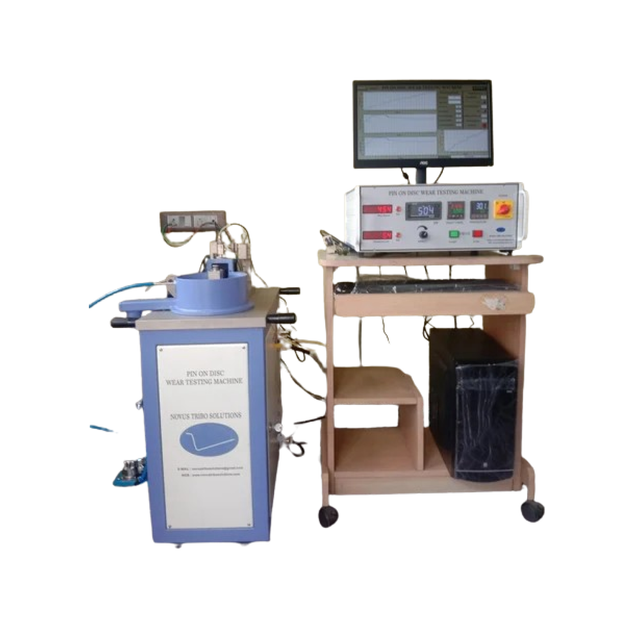
Pin on Disc Wear Testing Machine

LCR Meter

CNC MICRO Machine tool

Piezo-based Multicomponent Dynamometer
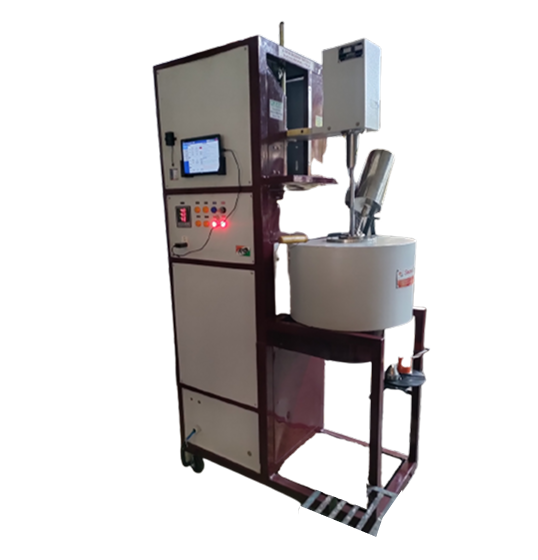
Computerized Bottom Pouring Type Stir Casting Machine

UV-VIS-NIR Spectroscopy with IRS

Fourier Transform Infrared (FTIR) Spectroscopy
Facility 3: Fabrication Laboratory — FabLab
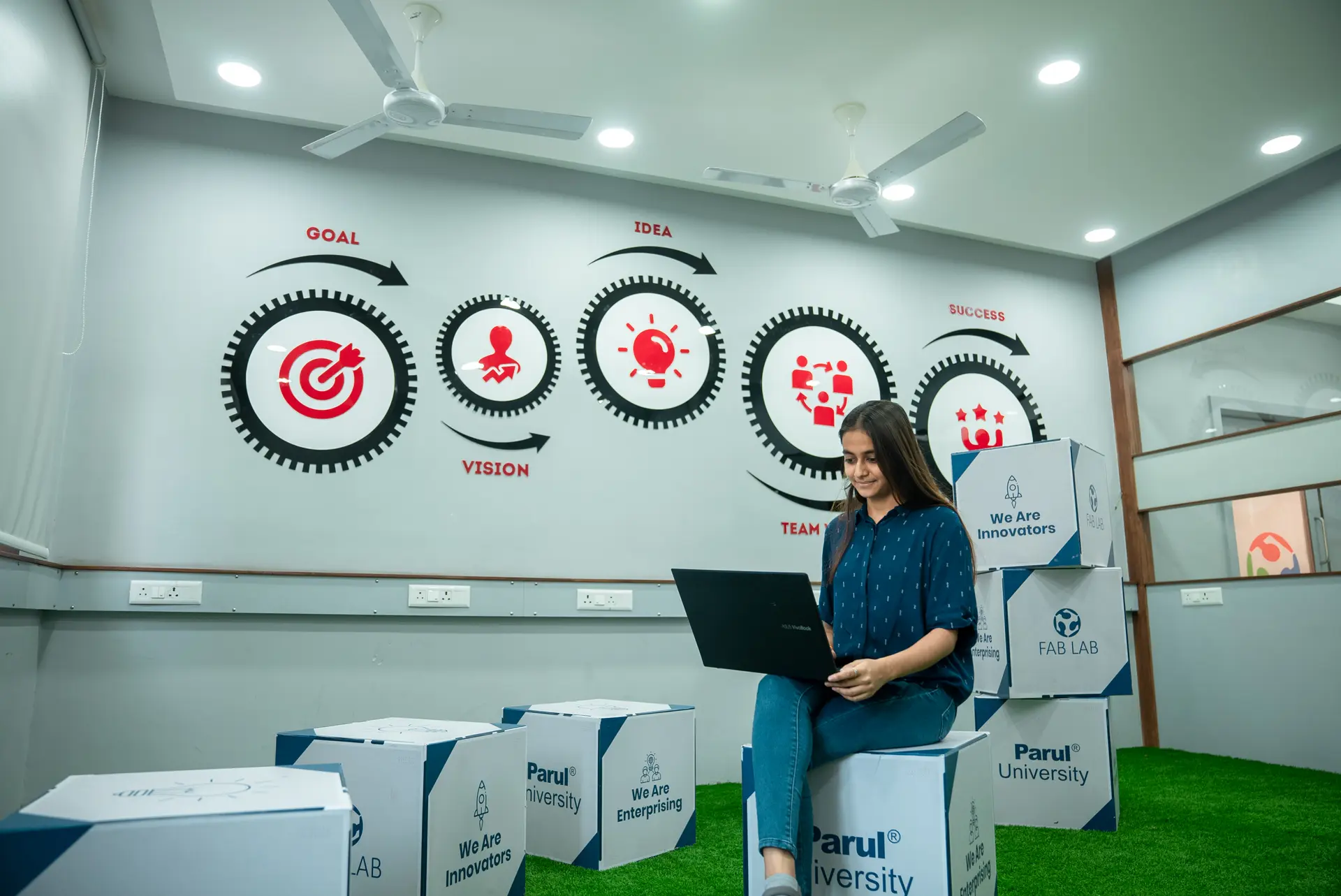
The Fabrication Laboratory (FabLab), housed within the Parul Innovation and Entrepreneurship Research Centre (PIERC), is a dedicated technical prototyping and innovation facility serving interdisciplinary research teams that require physical fabrication, device development, and prototype realisation. The FabLab was inaugurated in 2022 and has been supported by a ₹3 Crore grant under the Startup India initiative (Govt. of India) and ₹5.6 Crore SSIP grant from the Government of Gujarat.
The FabLab is specifically designed to support interdisciplinary research projects that require integration of engineering design, computer-aided fabrication, materials science, and biomedical or social applications — research that cannot be completed within any single department's workshop alone.
FabLab Equipment and Interdisciplinary Research Applications:
|
Equipment |
Interdisciplinary Research Application |
|
3D Printer — FDM Technology |
Engineering × Computer Science × Biomedical Engineering (functional prototypes) |
|
3D Printer — High Speed Multicoloured (Bambu Lab) |
Engineering × Product Design × Materials Science |
|
DLP Resin Printer |
Engineering × Biomedical Engineering × Physical Sciences (high-precision micro-fabrication) |
|
3D Laser Scanner |
Engineering × Computer Science × Physical Sciences (reverse engineering, digital twin research) |
|
Laser Cutter (CNC-controlled) |
Engineering × Physical Sciences × Biomedical Engineering (precision material cutting) |
|
CNC Router |
Engineering × Materials Science × Computer Science (computer-controlled fabrication) |
|
Vacuum Forming Machine |
Engineering × Biomedical Engineering × Chemical Engineering (thermoforming applications) |
|
PCB Milling (Roland CAMM-1) |
Engineering × Computer Science × Electronics (interdisciplinary circuit prototyping) |
|
Vinyl Cutter (DGShape SRM-20) |
Engineering × Computer Science × Social Sciences (product and communication design) |
|
Mechanical Workbench |
Engineering × Physical Sciences × Materials Science (manual fabrication) |
|
ESD Workstation |
Engineering × Computer Science (electrostatic-sensitive device assembly and testing) |
|
Power Tools |
Engineering × Physical Sciences × Materials Science (model fabrication) |
|
Hand Tools |
Engineering × Biomedical Engineering × Materials Science |
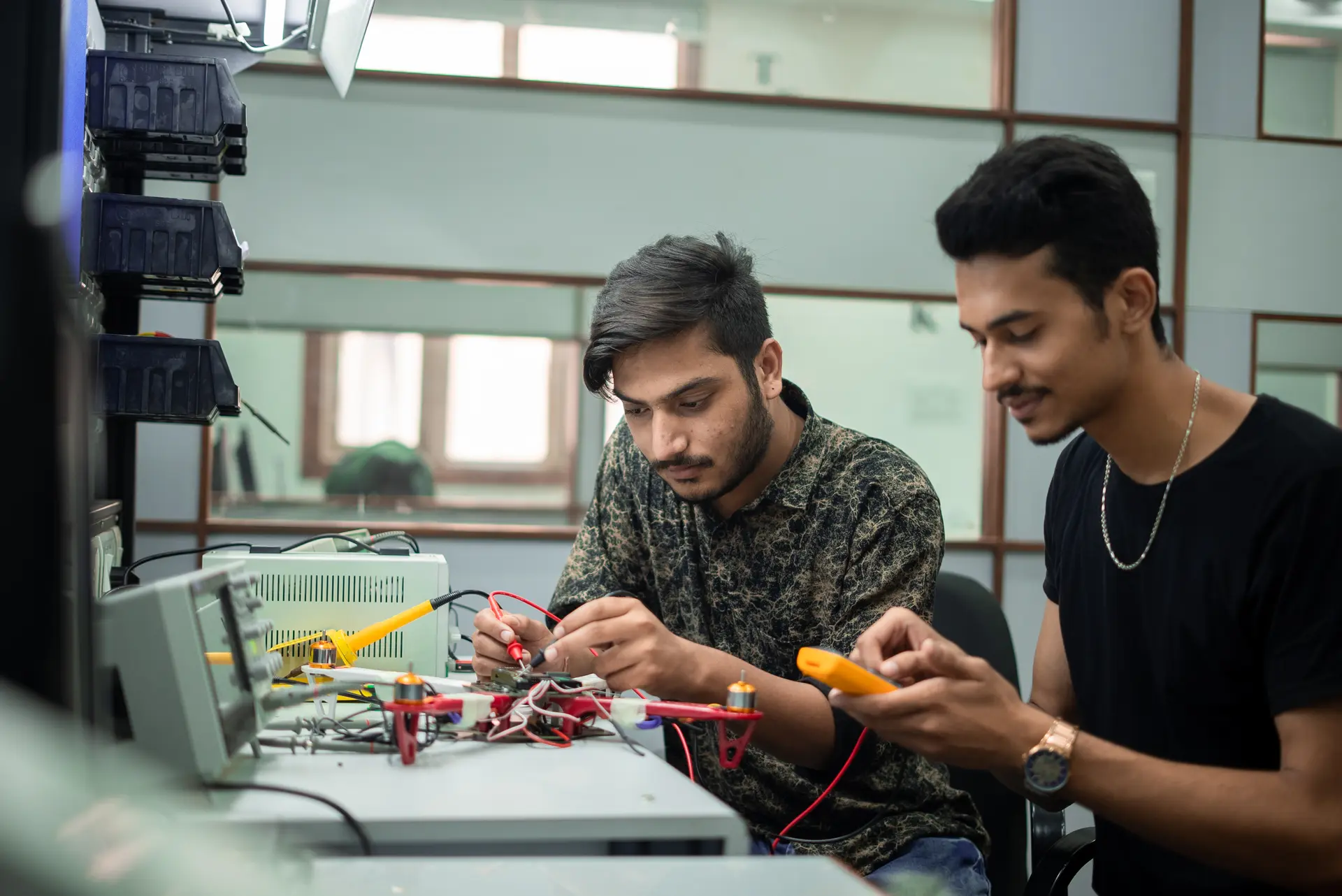
The FabLab has produced tangible interdisciplinary research outputs, including prototypes for biomedical devices and agritech solutions that integrate engineering with Clinical & Health and Environmental Sciences respectively. The FabLab also conducts cross-disciplinary workshops in 3D printing, PCB milling, laser cutting, CNC routing, robotics, and IoT — training researchers from Engineering, Computer Science, Life Sciences, and Social Sciences in unified fabrication methodologies.



3D Printer (FDM)

FDM Multi-Color 3D Printer

DLP 3D Printer
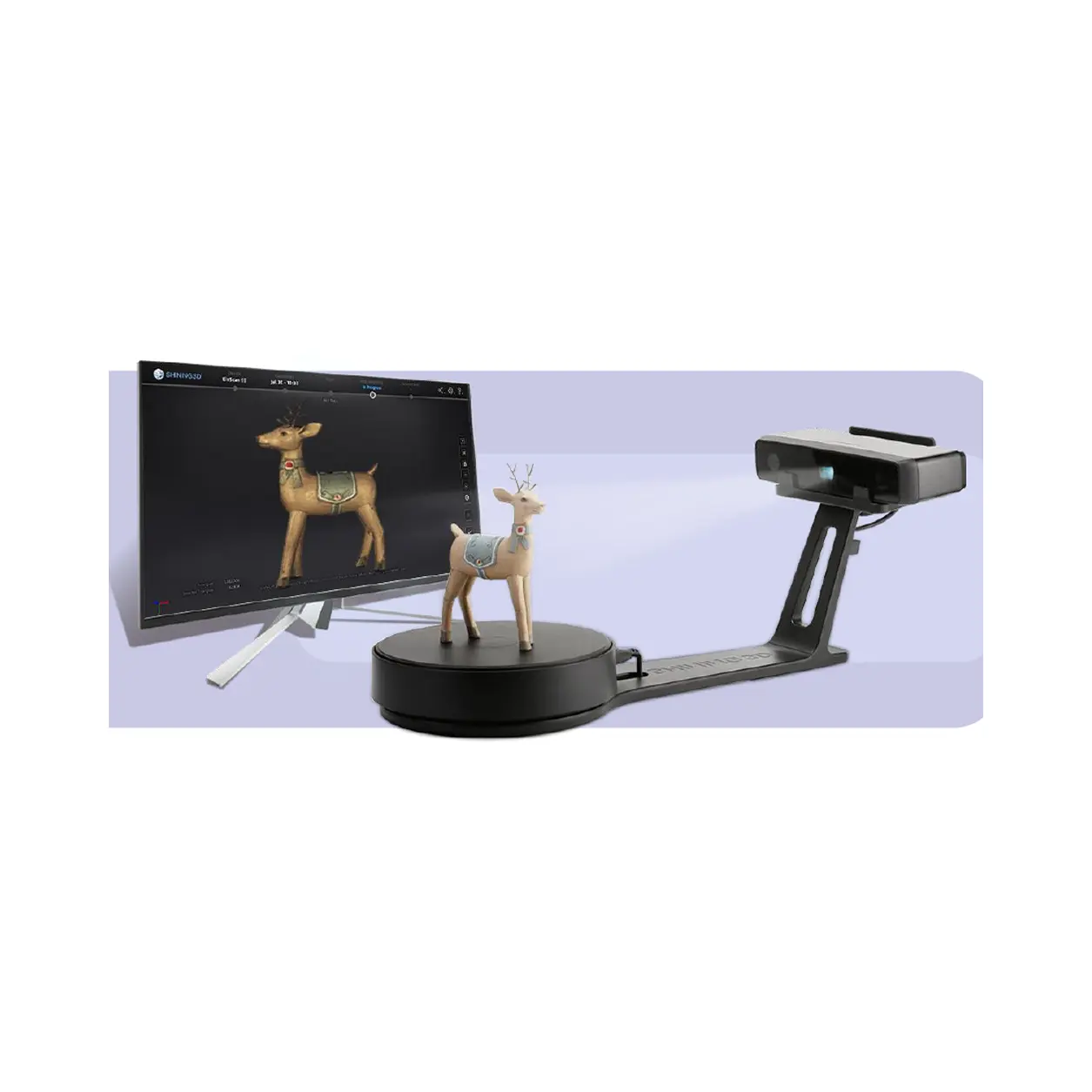
Desktop 3D Scanner
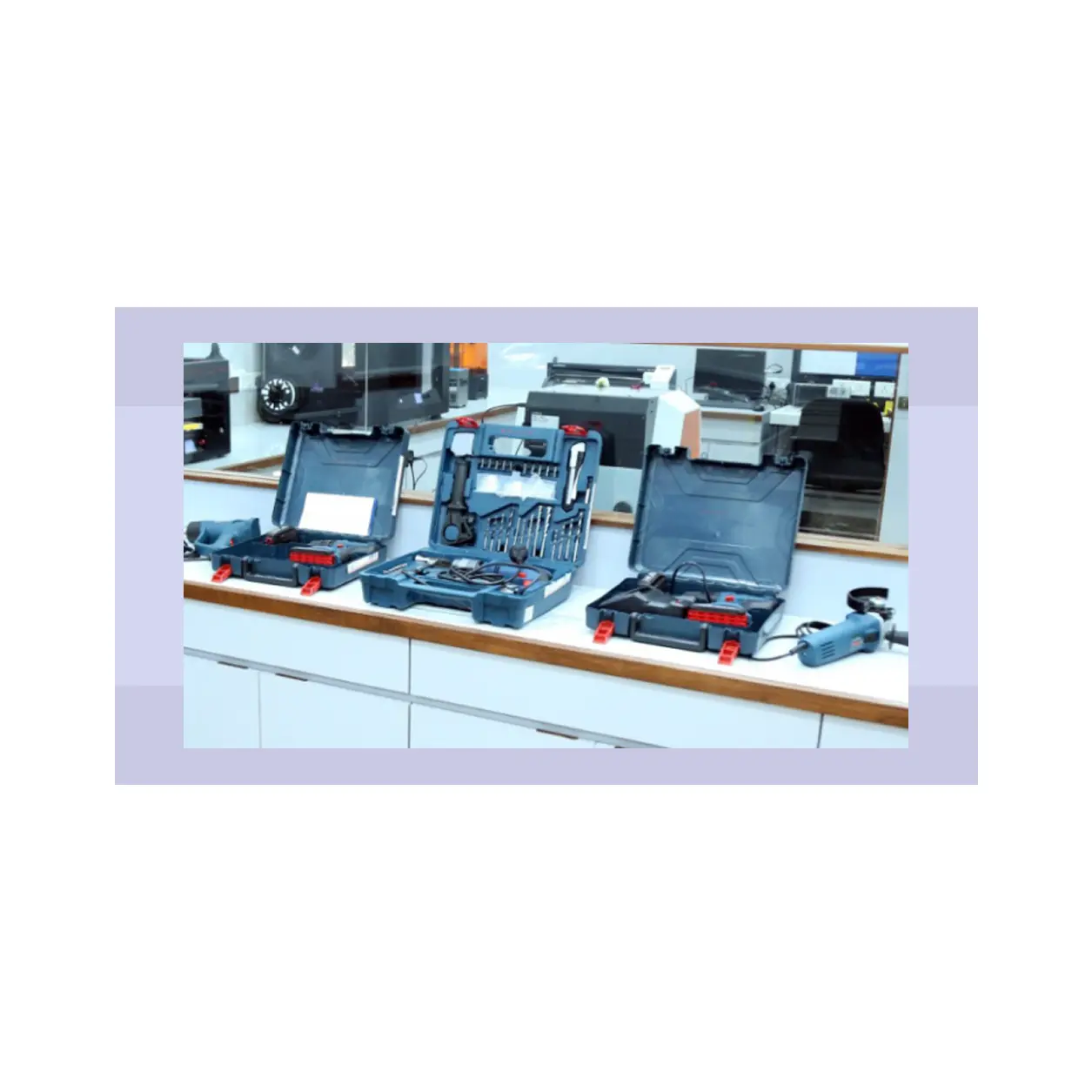
Power Tools

CO2 Laser Cutter & Engraver

CNC Router
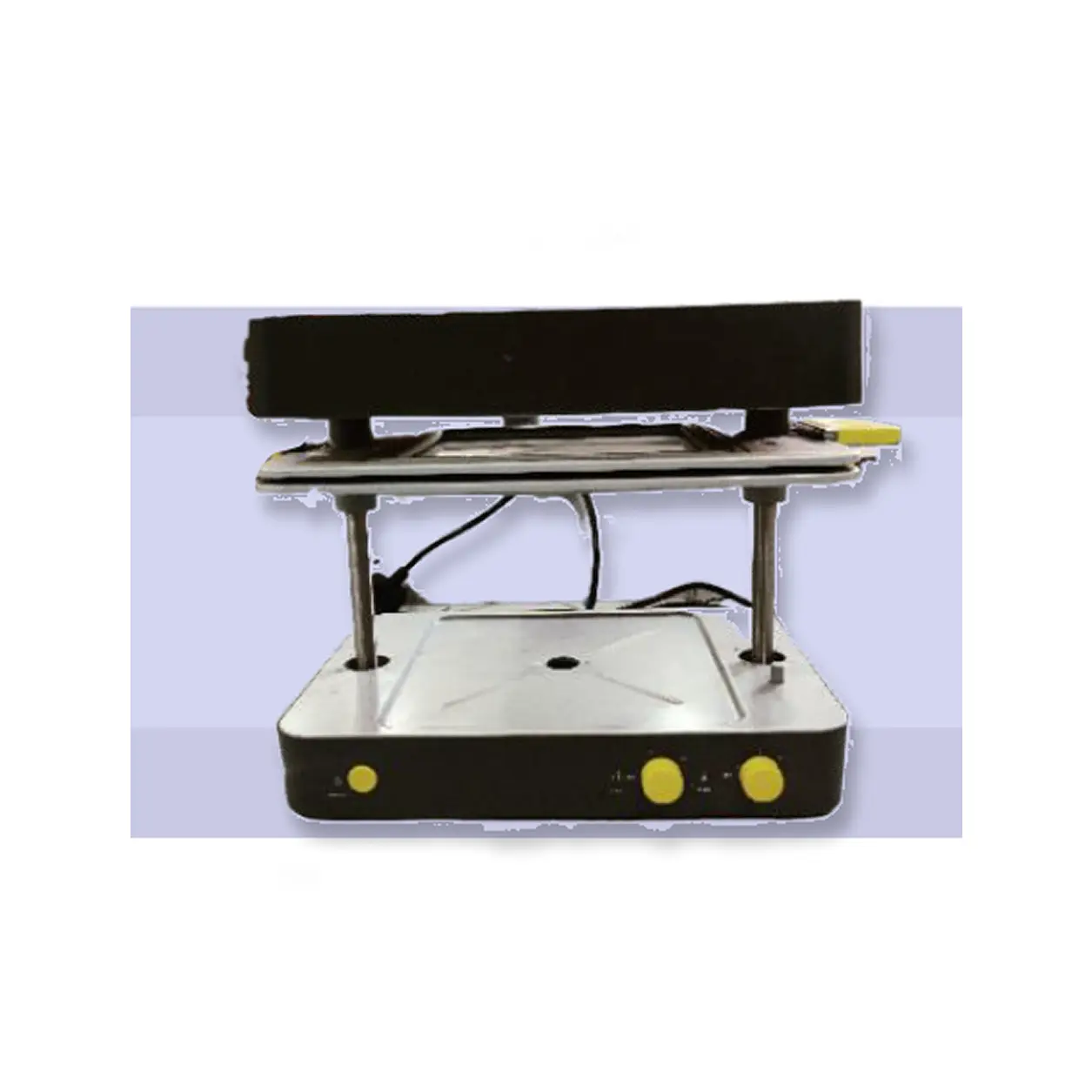
Vacuum Forming

PCB Milling

Vinyl Cutter

Mechanical Workbench
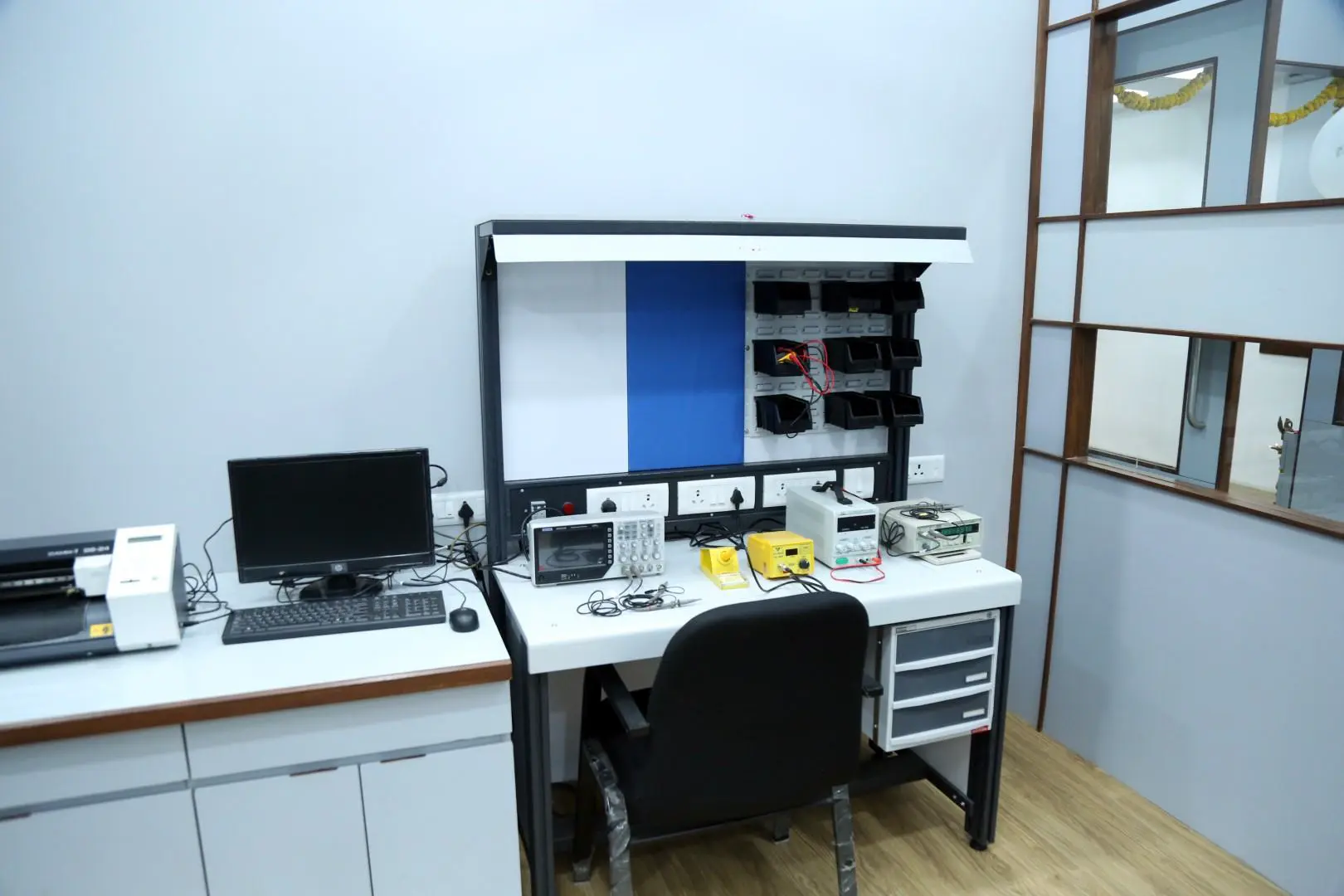
ESD Workstation
Facility 4: Centre for Multidisciplinary and Interdisciplinary Education (CMIE)
The Centre for Multidisciplinary and Interdisciplinary Education (CMIE) at Parul University operates under the National Education Policy (NEP) Cell, serving as a centralized institutional hub dedicated exclusively to facilitating and coordinating interdisciplinary science research across all applicable disciplines. The centre plays a strategic role in implementing the vision of NEP 2020, promoting integration of knowledge across Engineering, Computer Science, Life Sciences, Physical Sciences, along with Clinical & Health, Social Sciences, Law, and Psychology.
CMIE is a purpose-designed, centrally administered facility, distinct from departmental spaces, and is exclusively accessible for interdisciplinary research activities. It provides a neutral and collaborative platform where faculty members, researchers, and postgraduate scholars from diverse disciplines can jointly engage in research planning, development, and execution of cross-disciplinary projects addressing complex societal and technological challenges.
The facility is equipped with dedicated collaborative infrastructure, including advanced seminar halls, interdisciplinary meeting rooms, and coordination spaces that support:
Cross-departmental research discussions and proposal development
Interdisciplinary project planning,
monitoring, and review
Joint doctoral research supervision and evaluation panels
National and
international collaborative research interactions
CMIE also offers technology-enabled research environments with high-speed connectivity, integrated video conferencing platforms (Zoom, Microsoft Teams, Google Meet), and digital presentation systems. These enable seamless collaboration among interdisciplinary teams and facilitate global academic engagement.
Functioning under the NEP Cell, CMIE actively contributes to:
Implementation of NEP 2020 principles in interdisciplinary education and research
Identification of
interdisciplinary research thrust areas
Facilitation of multi-investigator and cross-disciplinary
research proposals
Organization of interdisciplinary workshops, training programs, and academic
forums
The centre works in close coordination with the Research and Development Cell (RDC), ensuring streamlined support in research funding, proposal submission, and project execution for interdisciplinary teams.
By providing a dedicated, policy-driven, and centrally governed environment, CMIE strengthens Parul University’s interdisciplinary research ecosystem, enabling integration across disciplines and fostering innovation-driven, impactful research outcomes aligned with national priorities and global research standards.
Facility 5: Smart Collaborative Research and Innovation Spaces
Parul University provides dedicated collaborative research spaces equipped with advanced audiovisual technology, digital whiteboards, high-bandwidth connectivity, and integrated video-conferencing (Zoom, Microsoft Teams, Google Meet) — reserved exclusively for interdisciplinary research team meetings, joint doctoral review panels, and international research collaboration sessions. These spaces are not available for routine academic instruction.
The University's dedicated incubation centre under PIERC houses 71 interdisciplinary research-derived startups, with four regional Startup Studio units (Vadodara, Ahmedabad, Surat, Rajkot) providing additional space and infrastructure for interdisciplinary research commercialisation.
Facility 6: Pragya – Advanced Skills and Simulation Centre
The Advanced Skills and Simulation Centre (Pragya) is a dedicated interdisciplinary facility for clinical and healthcare research, training, and simulation-based learning.
The facility spans over 16,000 square feet and includes specialized units such as Critical Care Simulation, Trauma Simulation, Surgical Units, Obstetrics and Neonatal Units, and Emergency Response Systems. It enables interdisciplinary collaboration between medicine, biomedical engineering, healthcare technology, and applied sciences.
The centre provides high-fidelity simulation environments for research in clinical decision-making, patient care systems, and healthcare innovation, supporting integration of multiple disciplines in real-world healthcare scenarios.
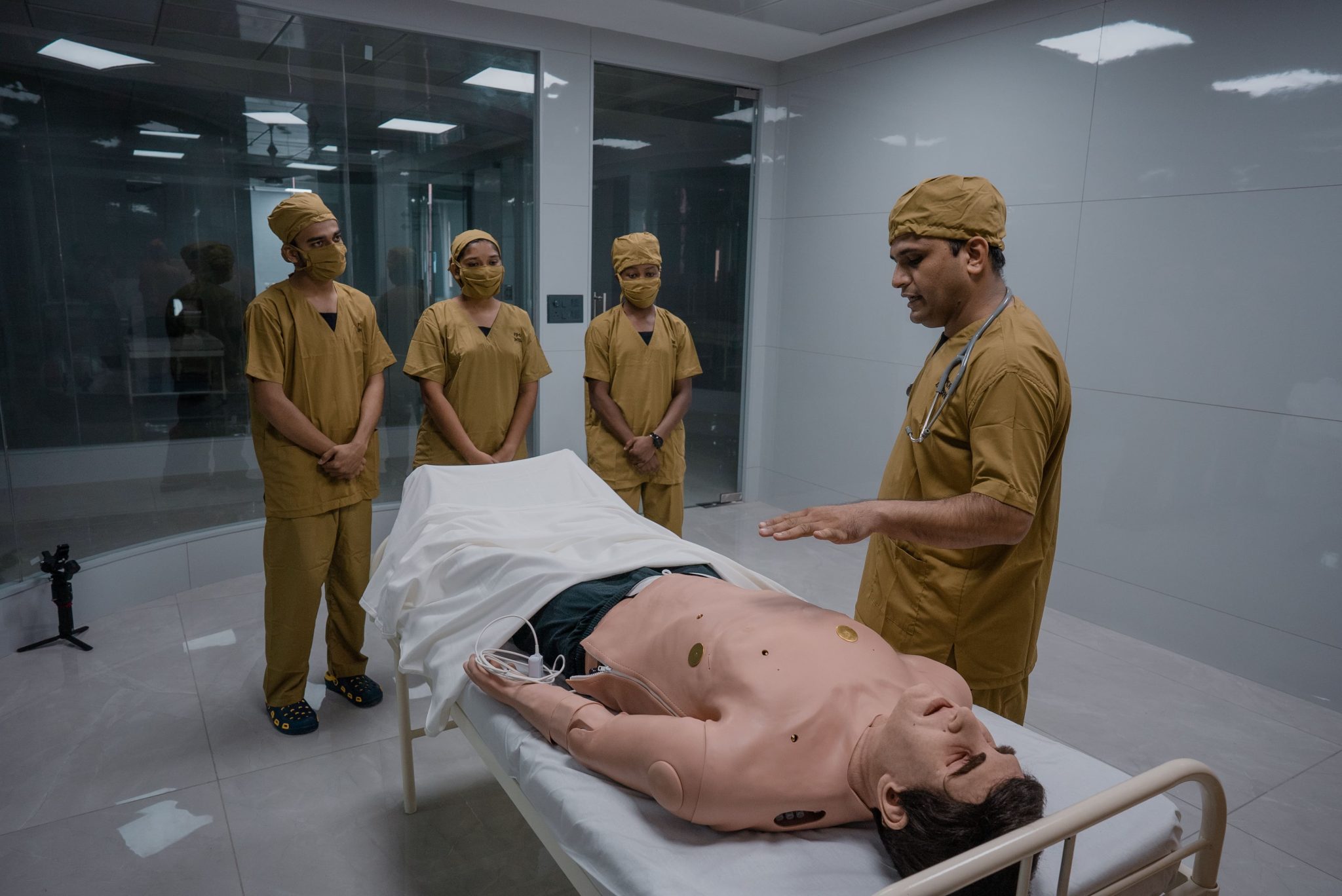
Critical Care Simulation Centre Unit 1
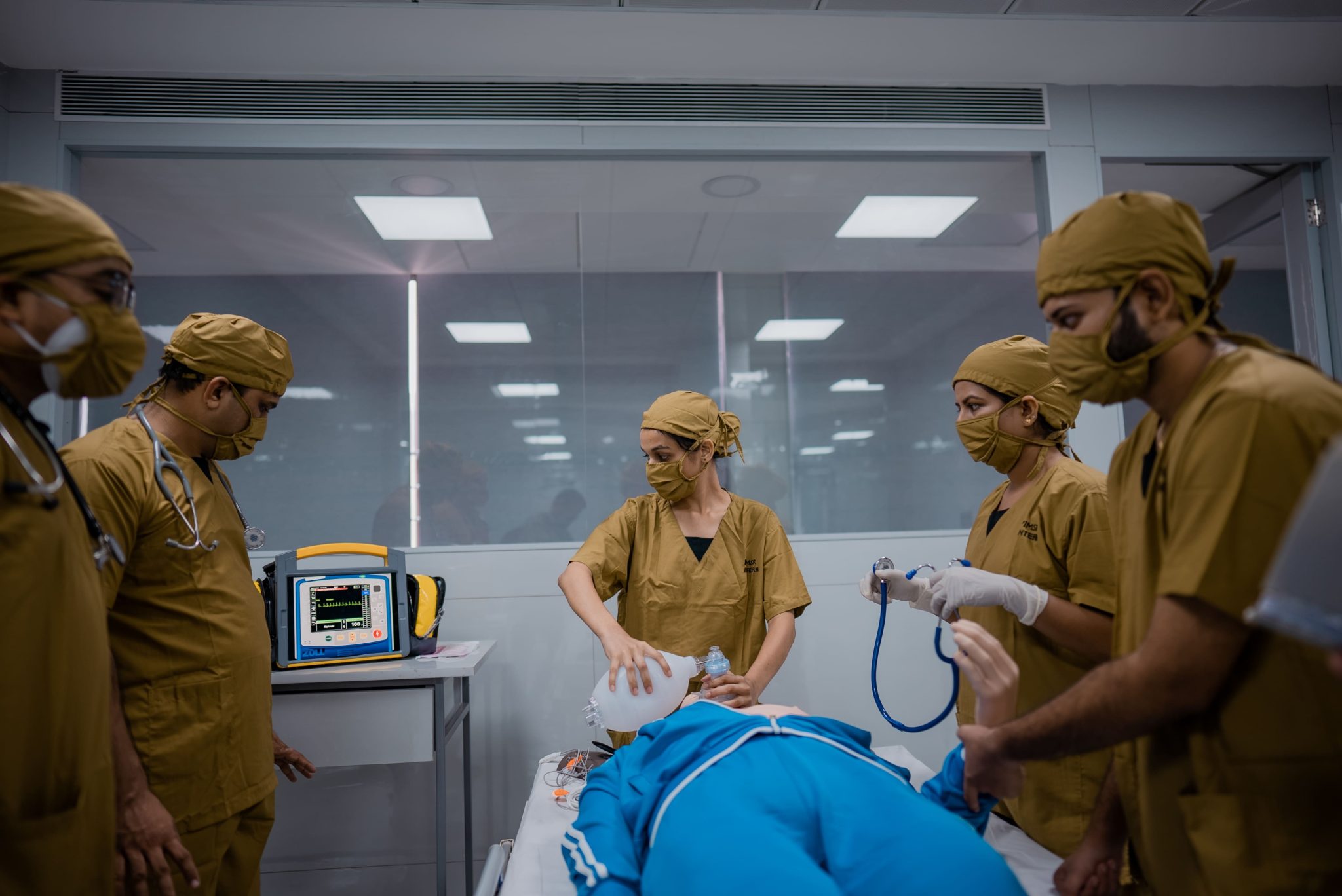
Critical Care Simulation Centre Unit 2
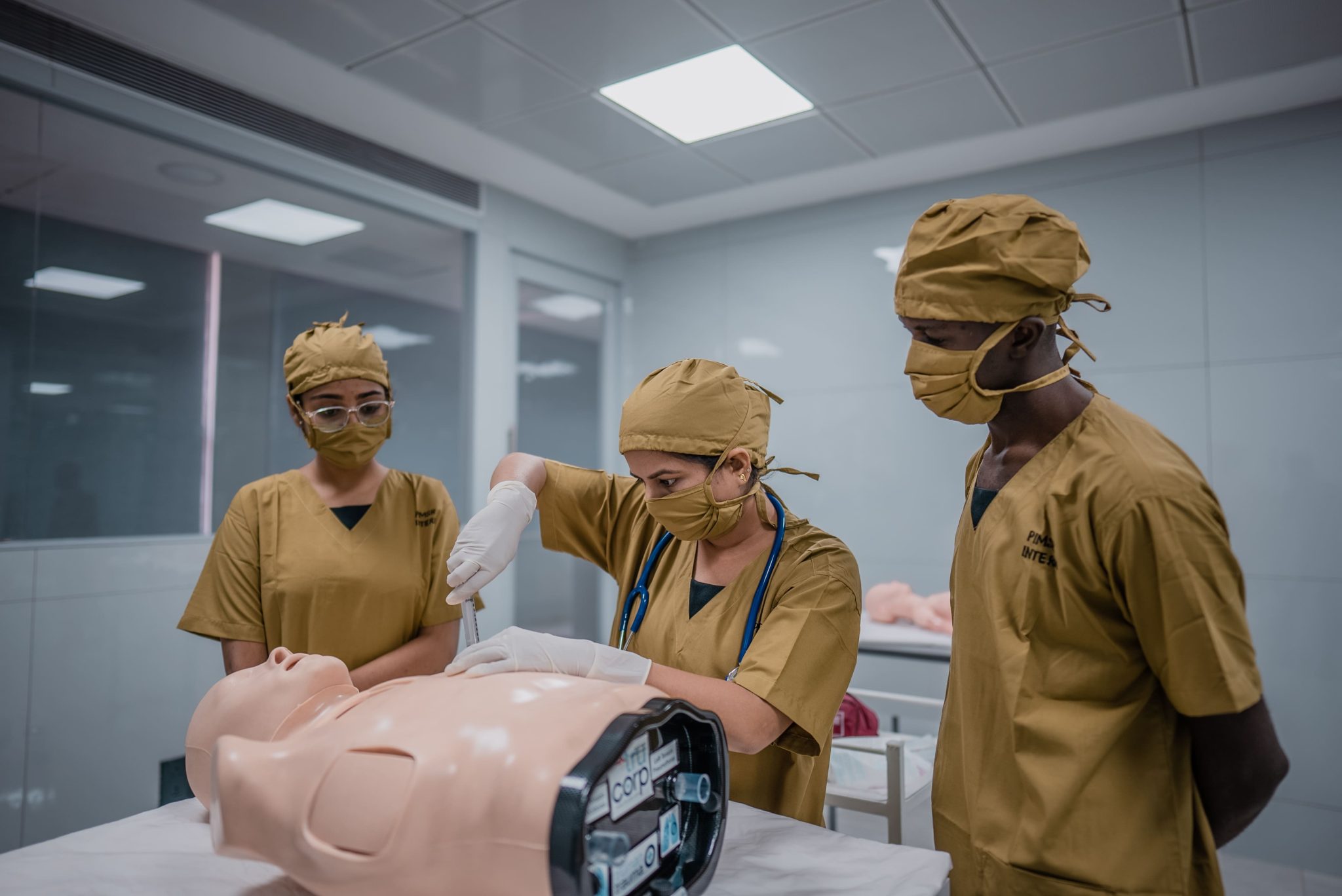
Trauma Simulation Unit
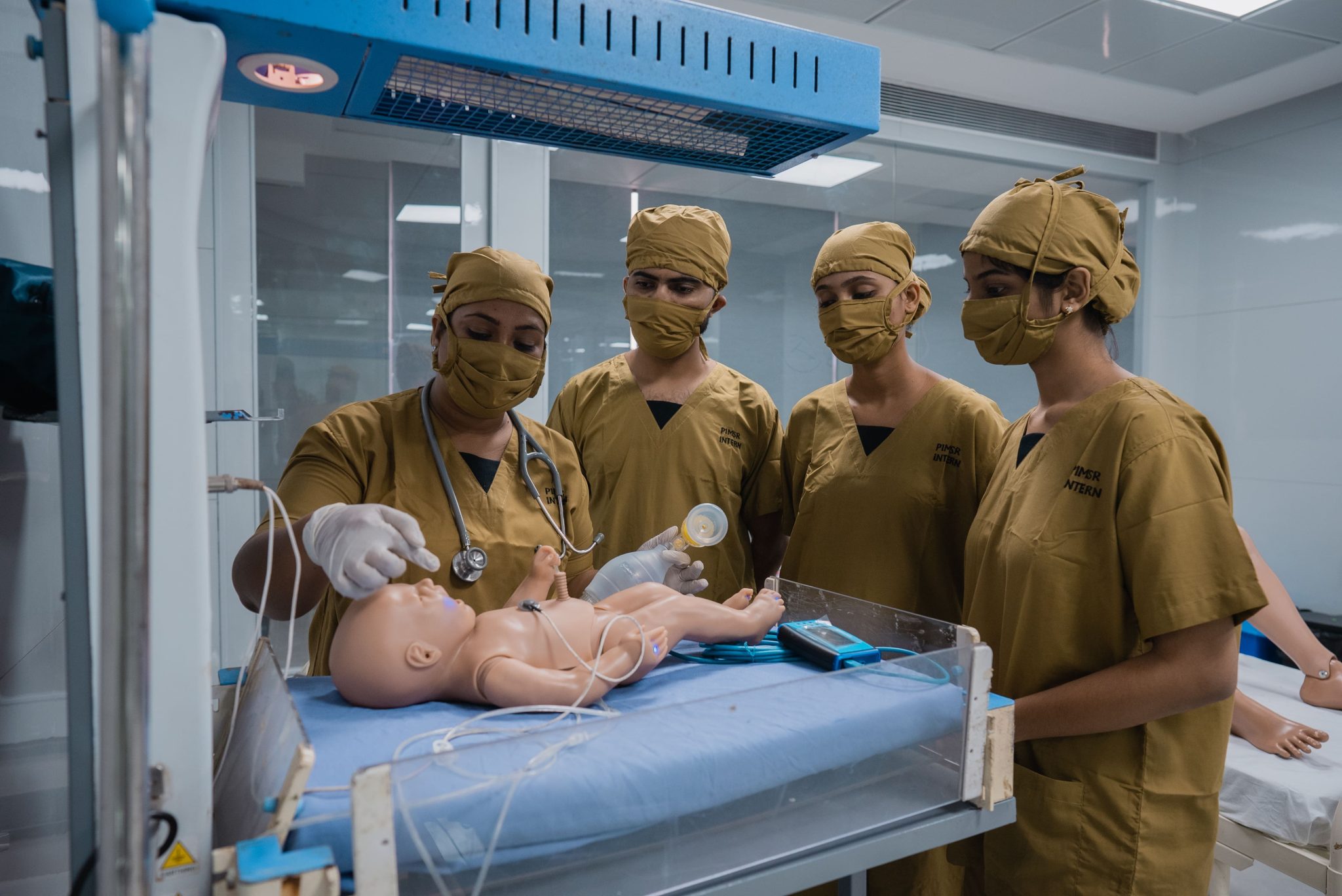
ADVANCED OBSTETRIC AND NEONATAL SIMULATION UNIT

ADVANCED CARDIAC LIFE SUPPORT UNIT
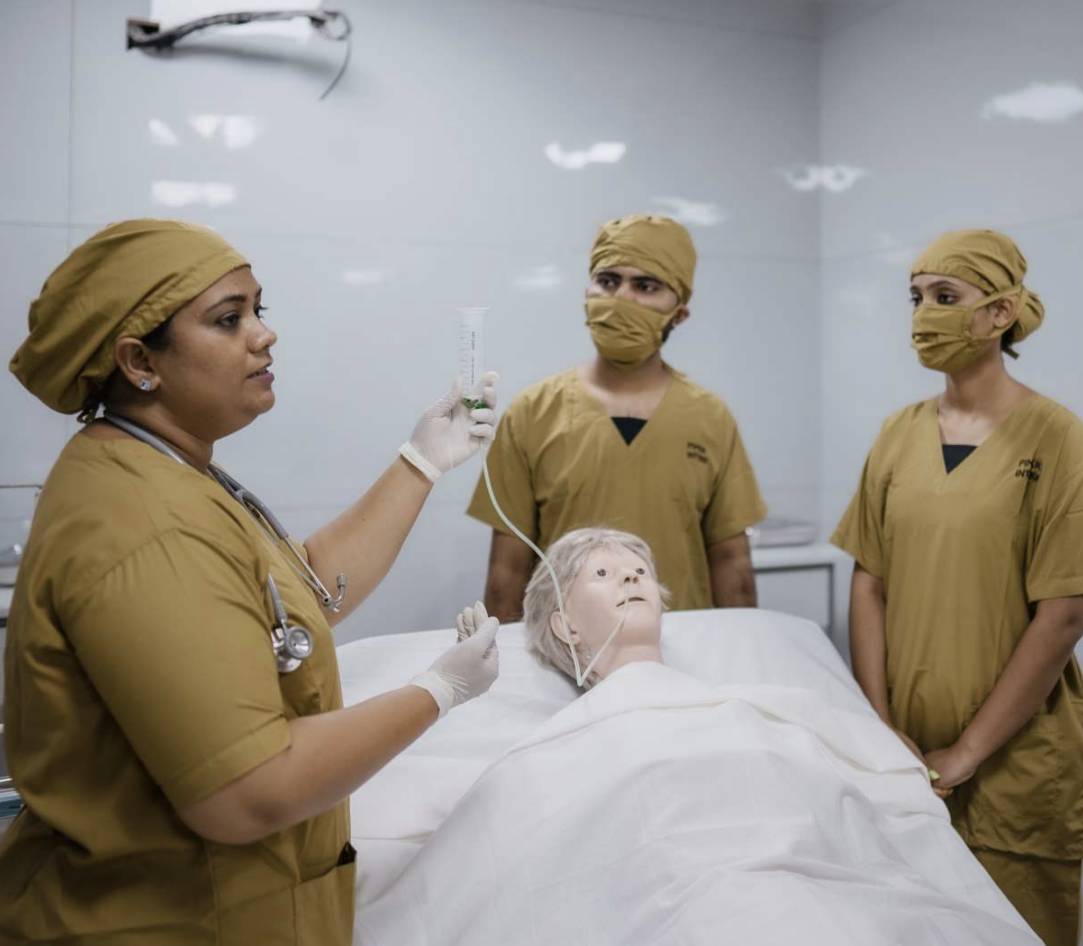
SURGICAL SIMULATION AND PROCEDURE UNIT
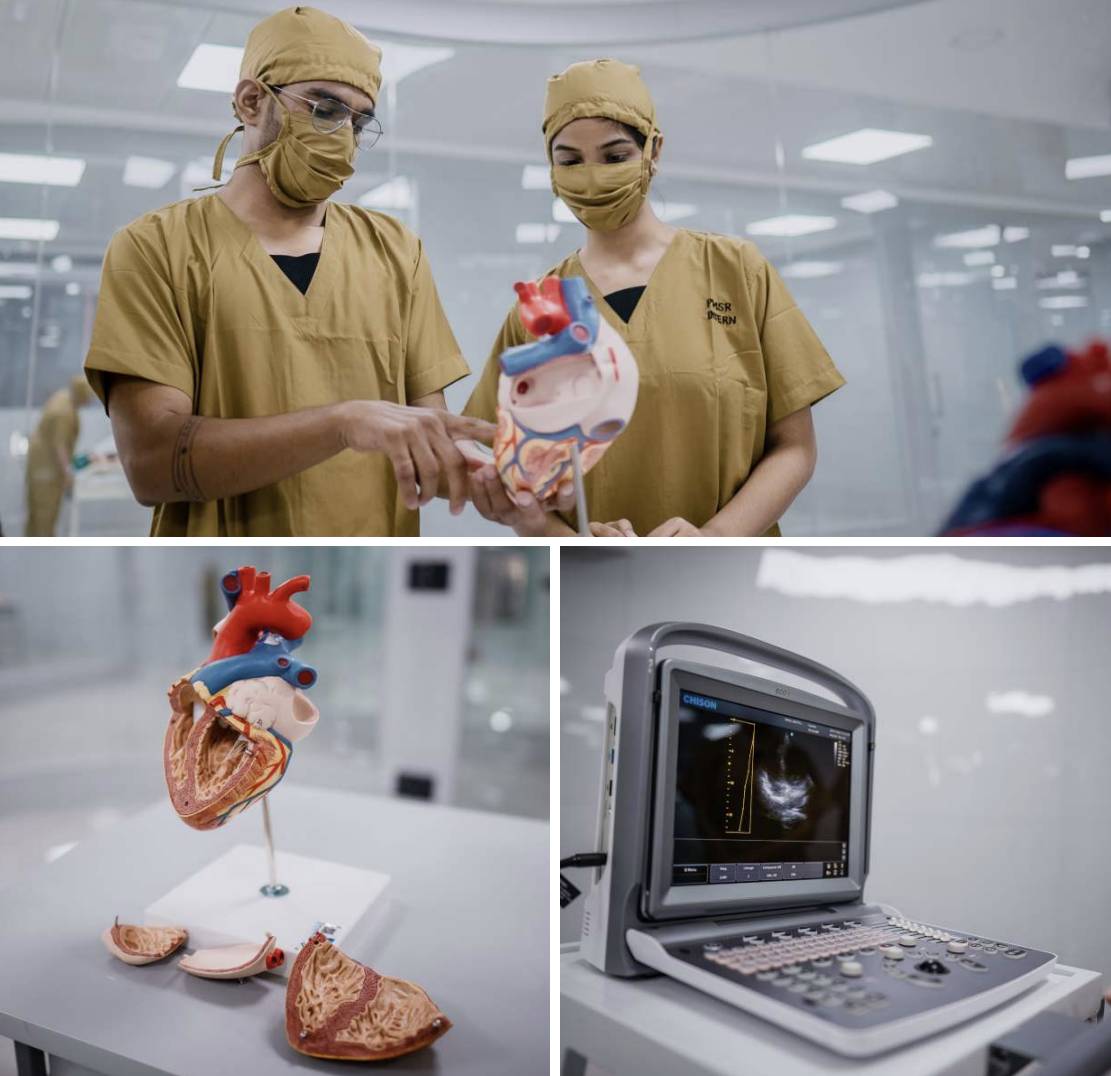
CARDIAC DIAGNOSTIC CENTRE
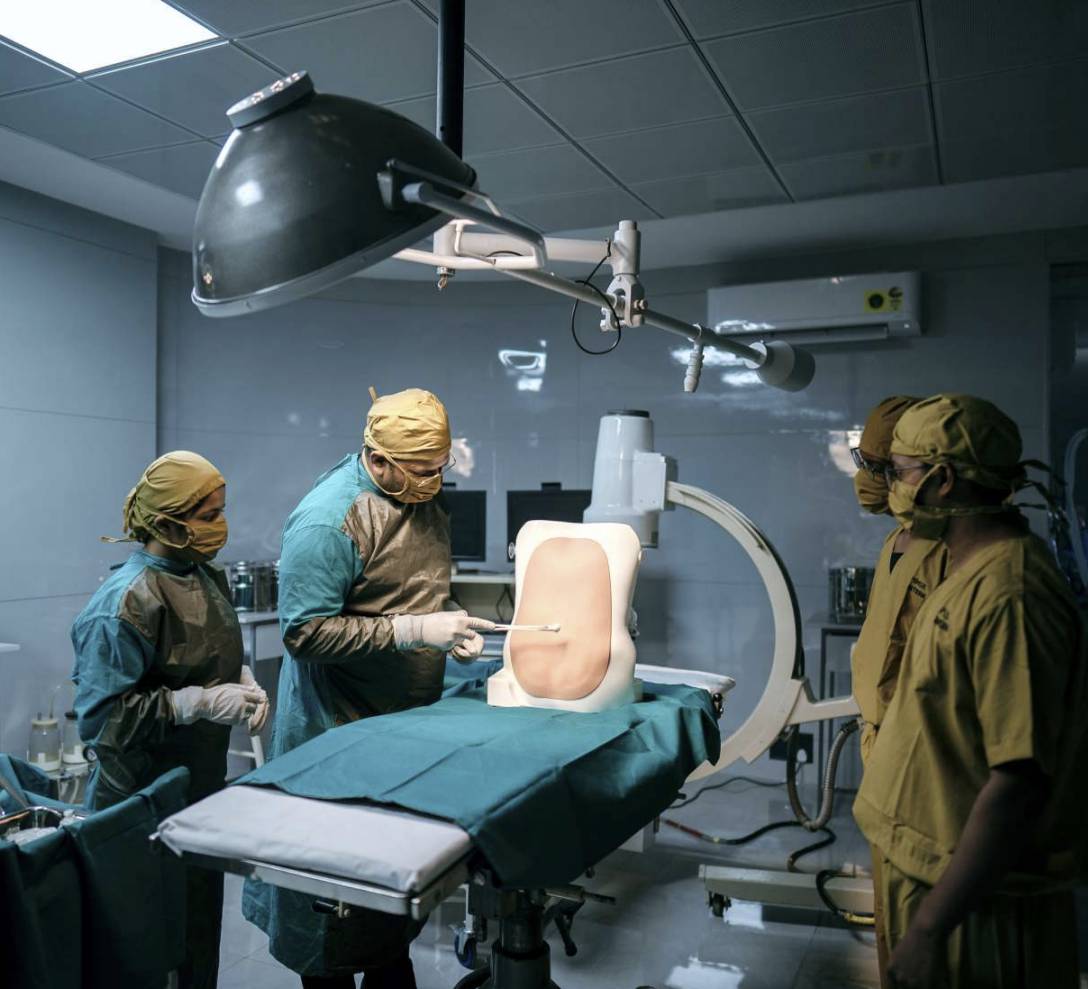
OPERATION THEATRE
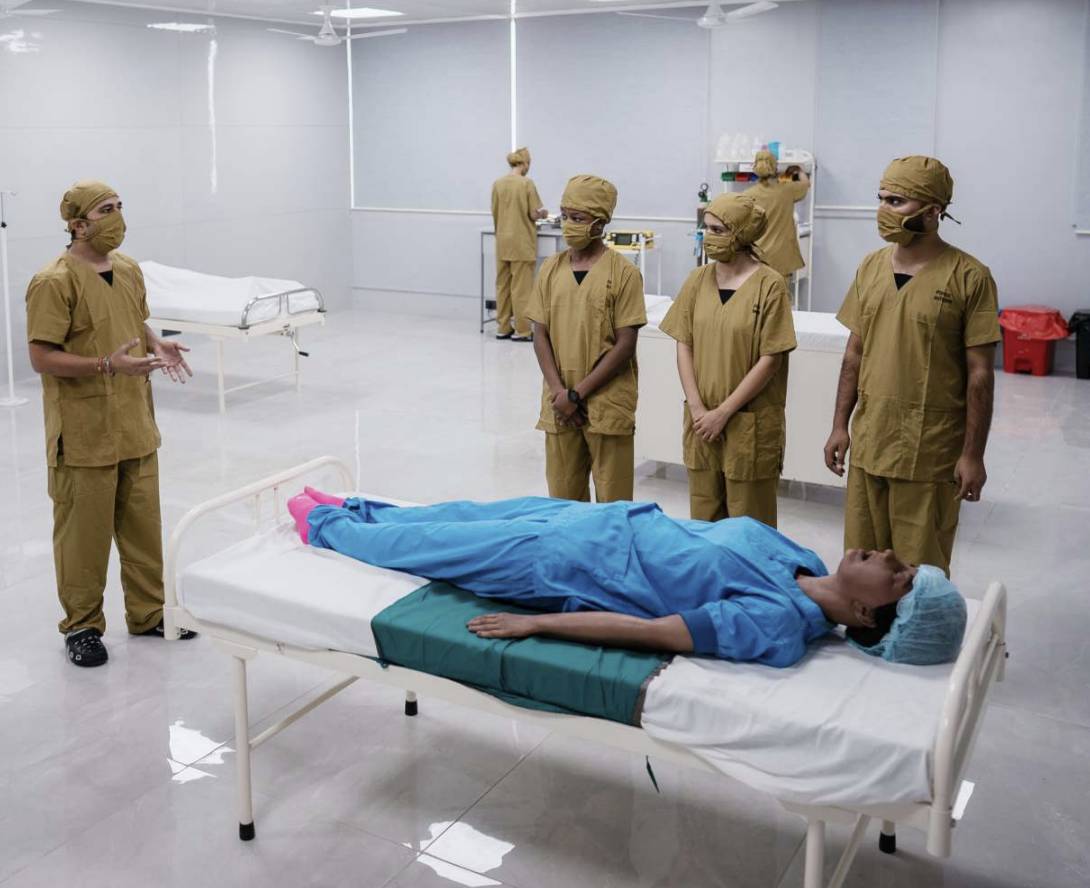
TRIAGE AND EMERGENCY UNIT
Parul University has established a structured administrative framework to support and strengthen interdisciplinary research across applicable disciplines. This framework ensures that research teams receive coordinated support in planning, execution, funding, and dissemination of interdisciplinary research activities.
The University has designated specialized administrative bodies including the NEP Cell, the Centre for Multidisciplinary and Interdisciplinary Education (CMIE), and the Research and Development Cell (RDC) to facilitate interdisciplinary research coordination. These bodies collectively support curriculum alignment with NEP 2020, promote cross-disciplinary collaboration, and ensure integration of interdisciplinary research into academic and research practices.
Institutional Coordination and Research Governance
The NEP Cell and CMIE function as central coordinating units for interdisciplinary initiatives by:
- Aligning academic and research activities with NEP 2020 interdisciplinary objectives
- Facilitating collaboration across Engineering, Sciences, Health, and Social Sciences
- Providing structured platforms for interdisciplinary research planning and coordination
The Research and Development Cell (RDC) serves as the primary administrative body responsible for managing interdisciplinary research activities, including identification of funding opportunities, facilitation of proposal submissions, and coordination with funding agencies and industry partners.
Dedicated Administrative Support for Research Teams
Parul University provides structured administrative assistance to interdisciplinary research teams through:
- RDC Coordinators assigned to guide faculty in proposal development, budgeting, and grant submission
- Support for extramural funding applications at national and international levels
- Assistance in research documentation, compliance, and reporting
- Facilitation of industry collaborations and sponsored research projects
The University also conducts regular training and capacity-building programs, including workshops on research methodology, proposal writing, intellectual property, and grant acquisition, to enhance interdisciplinary research capabilities.
Faculty-Centric Research Support Mechanism
To promote interdisciplinary research engagement, the University has implemented a dedicated Research Cadre system, comprising over 200 faculty members with reduced teaching loads (less than 8 hours per week), enabling them to focus on research activities.
These research cadre faculty members function as departmental research coordinators and provide:
- Mentorship in interdisciplinary research topic identification
- Guidance on publication in indexed journals (Q1–Q4)
- Support in scientific writing and proposal preparation
- Monitoring of departmental research outputs including publications, patents, and funded projects
Incentives, Recognition, and Funding Support
The University has established structured policies to promote interdisciplinary research through:
- Seed funding and internal research grants for interdisciplinary projects
- Incentives for publications, patents, and funded research
- Recognition through research awards and performance-based evaluation systems
- Consideration of interdisciplinary research contributions in faculty promotions
Industry and International Collaboration Support
Dedicated administrative units for Industry and International Collaboration facilitate interdisciplinary engagement through:
- Global research partnerships and MoUs
- Faculty and student exchange programs
- Training in emerging areas such as Artificial Intelligence, Data Science, and computational tools
- Support for joint research projects and international funding opportunities
Additionally, the University is strengthening its technology transfer mechanisms to support commercialization and translation of interdisciplinary research outcomes into real-world applications.
Policies & Guidelines

Research Excellence Awards

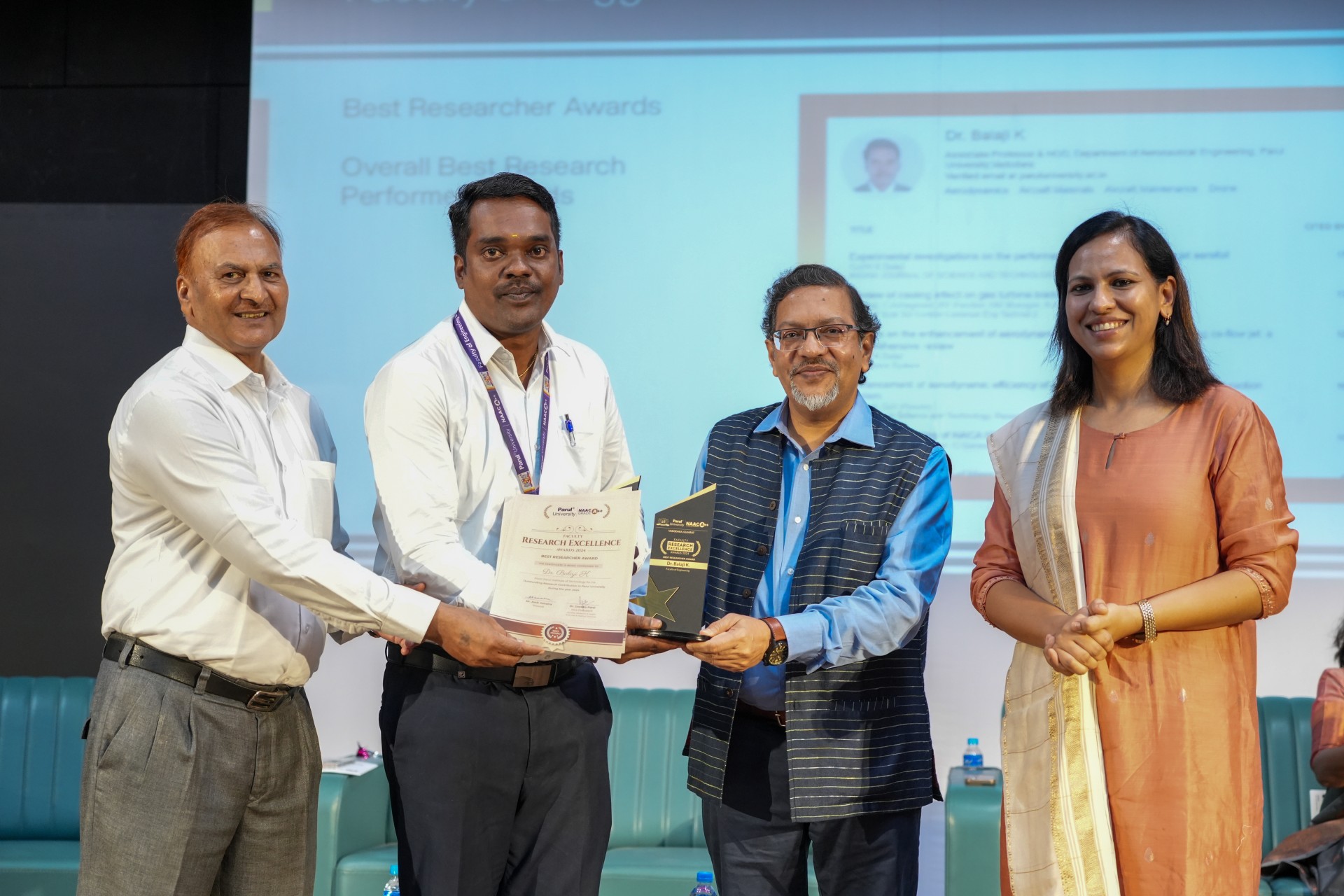
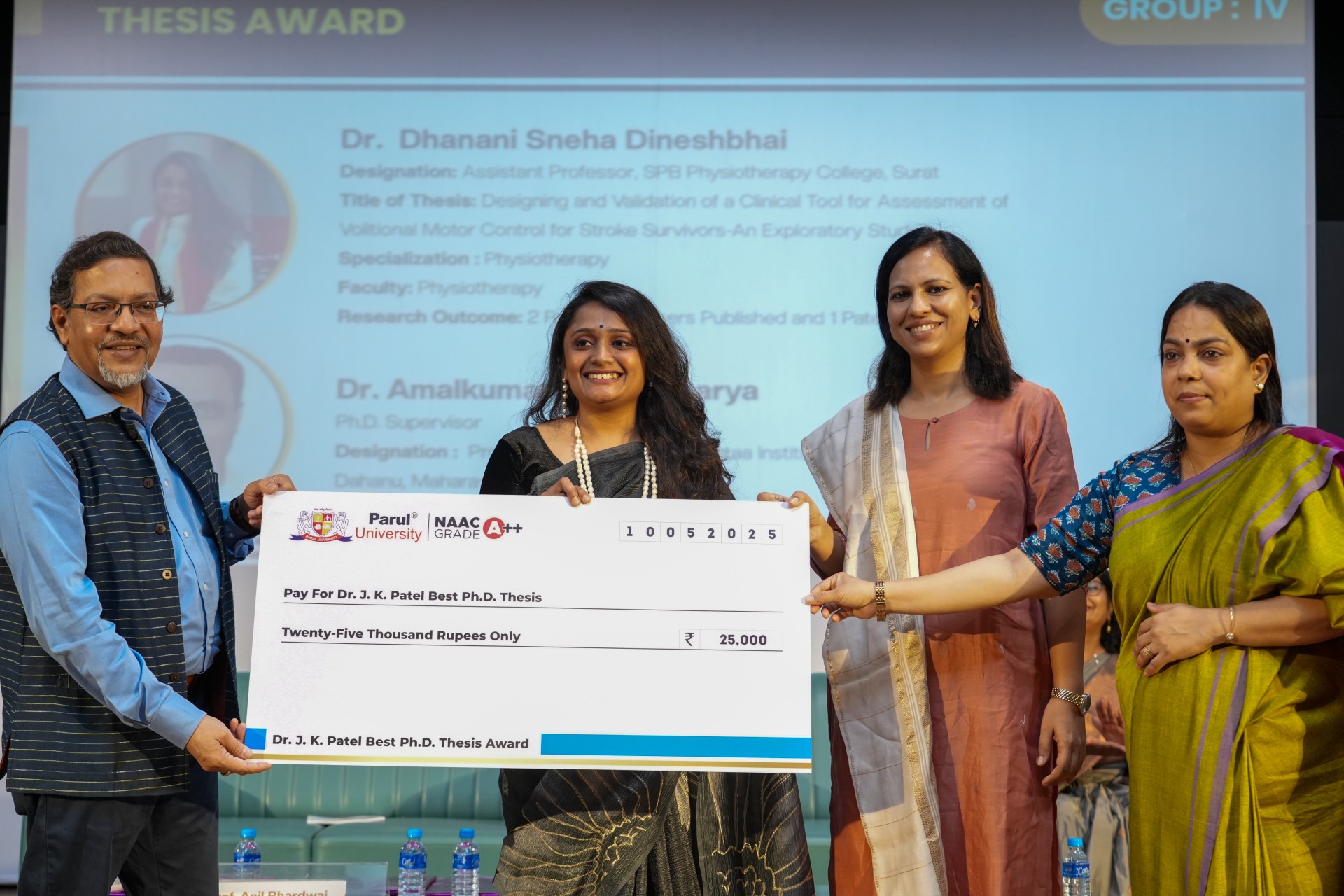
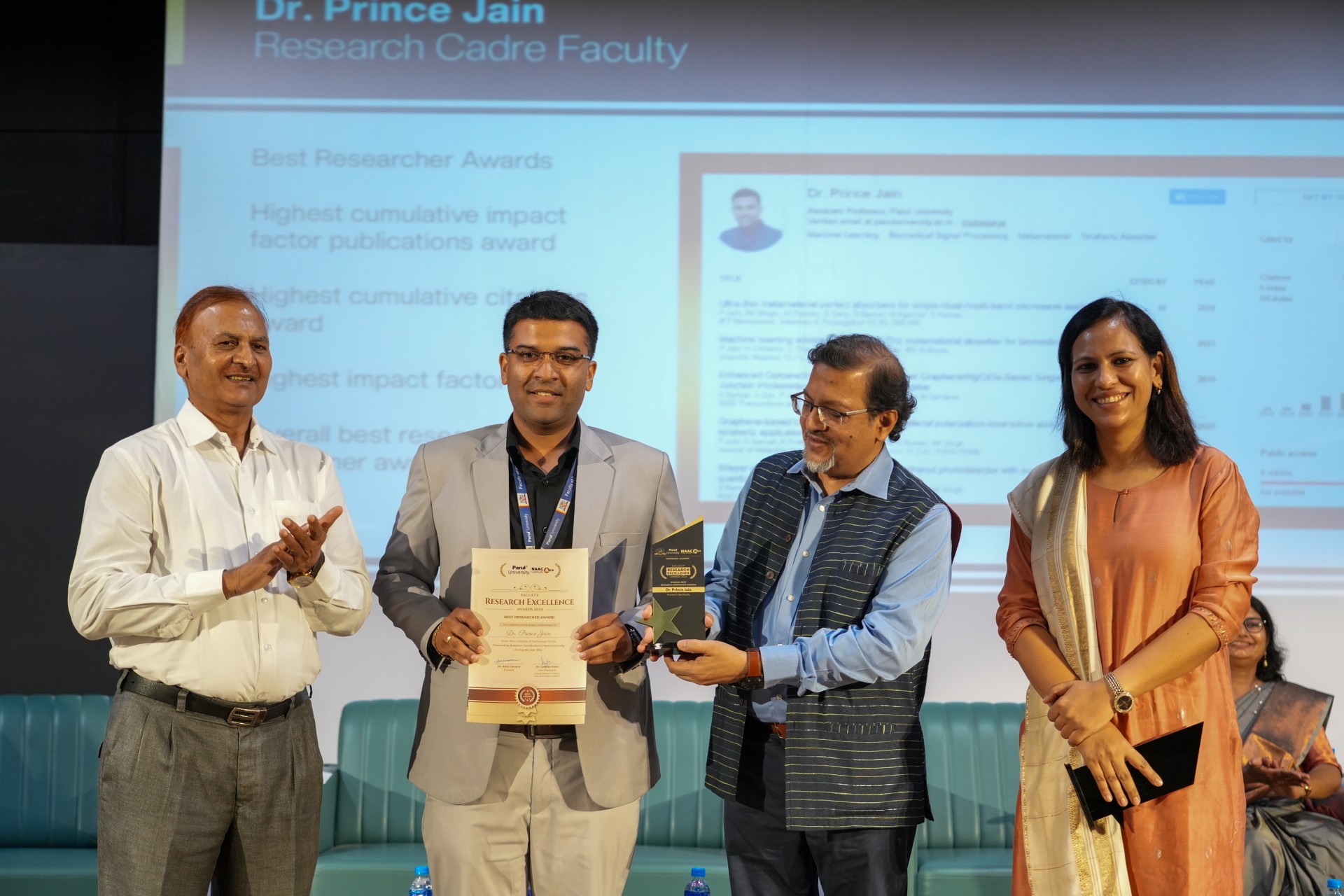
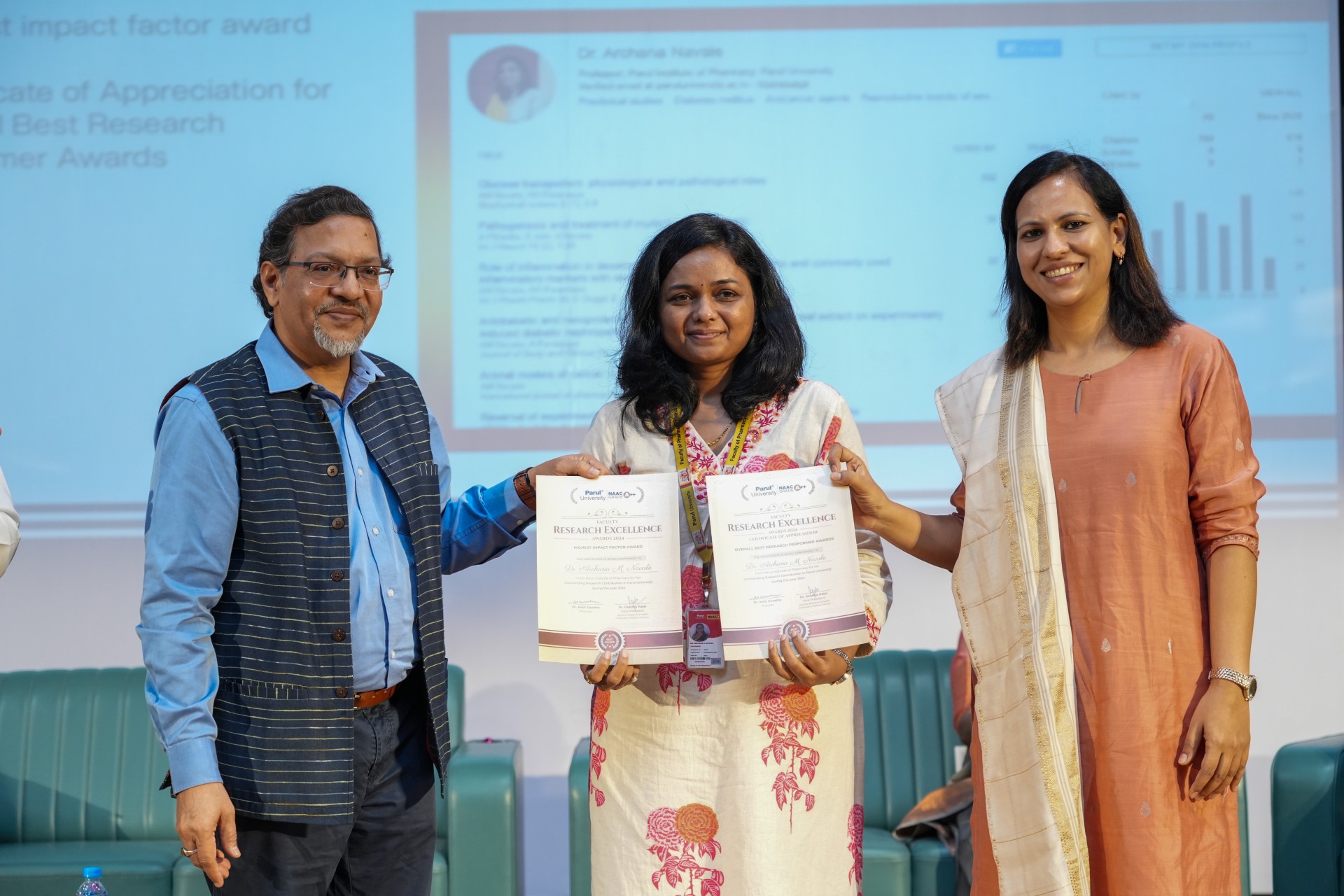
A Glimpse of the Awards


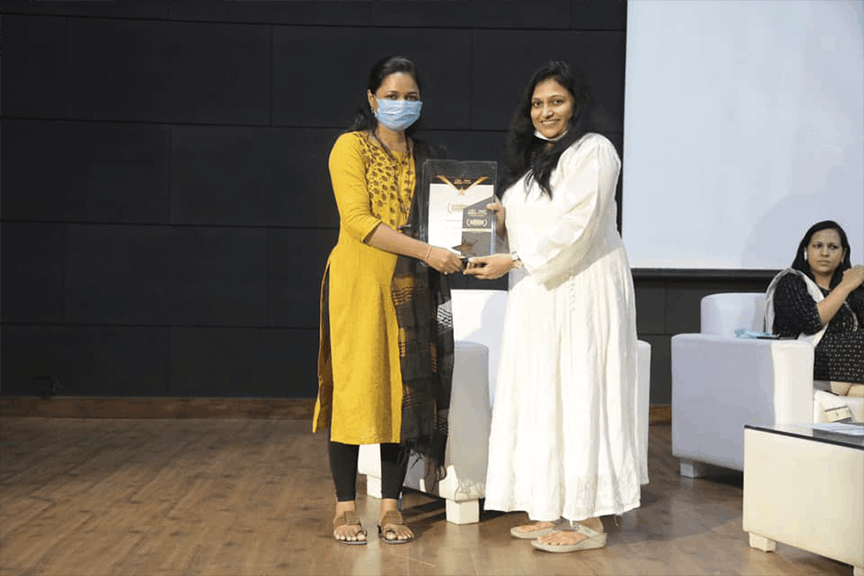

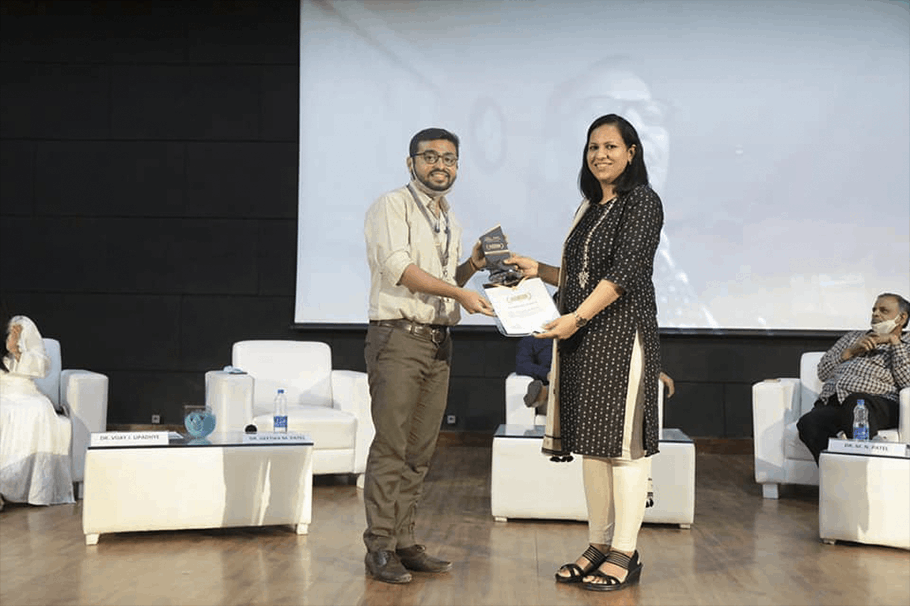
Parul University has established a structured tenure and career progression system that explicitly recognizes and rewards faculty contributions to interdisciplinary research across applicable disciplines. The University integrates interdisciplinary research performance as a key component in faculty evaluation, promotion, and recognition frameworks, aligning with its commitment to addressing complex global challenges through collaborative research.
Integration of Interdisciplinary Research in Evaluation Systems
Faculty engaged in interdisciplinary research are evaluated based on clearly defined performance indicators, including:
- Publications in Q1–Q4 indexed journals across multiple disciplines
- Successful acquisition of interdisciplinary research grants
- Patent filings, technology development, and commercialization outcomes
- Participation in cross-disciplinary and multi-institutional research projects
- Industry collaborations and societal impact of research
These criteria ensure that interdisciplinary contributions are systematically recognized within tenure and promotion decisions.
Structured Faculty Support and Incentive Mechanisms
To encourage interdisciplinary engagement, the University provides targeted support mechanisms, including:
- Reduced teaching load for research-active faculty involved in interdisciplinary projects
- Seed funding and internal research grants for cross-disciplinary research initiatives
- Financial incentives for publications, patents, and funded research projects
- Special recognition for faculty serving as Principal Investigators (PIs) and Co-PIs in interdisciplinary grants
In 2024, the University awarded over ₹1 Crore in research incentives, reinforcing its commitment to promoting interdisciplinary excellence.
Performance Monitoring and Career Advancement
The Research and Development Cell (RDC) plays a central role in monitoring and documenting interdisciplinary research contributions, including:
- Collaborative research outputs and publications
- Funded projects and grant success rates
- Intellectual property generation and technology transfer
- Industry partnerships and societal impact
These metrics are incorporated into annual performance appraisals, tenure reviews, and promotion decisions, ensuring that interdisciplinary research achievements directly contribute to career advancement.
Mentorship and Research Ecosystem Integration
Faculty contributions to interdisciplinary research are further evaluated based on their role in:
- Mentoring postgraduate and doctoral students in interdisciplinary research
- Guiding students toward high-quality publications and funded research projects
- Supporting collaborative research initiatives across departments
This approach strengthens the overall research ecosystem and promotes sustained interdisciplinary engagement.